


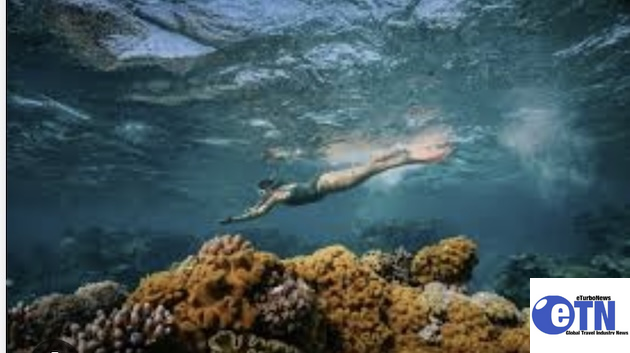
A new scientific study warns that scuba diving tourism is contributing to coral reef destruction worldwide. Researchers found various frequently damage fragile ecosystems through physical contact, overcrowding, and poor underwater practices. Conservationists say the industry must adopt stricter sustainability standards before tourism accelerates the collapse of already stressed coral reefs.
Scuba diving has long been promoted as eco-tourism at its best — a way for travelers to appreciate marine life while supporting conservation-focused coastal economies. But emerging research now suggests the booming dive tourism industry may be placing dangerous pressure on the very coral reefs it depends on.
A newly published study led by marine researchers at the University of Sydney found that recreational divers frequently make physical contact with coral ecosystems, often unintentionally. Researchers observed more than 700 divers across popular sites in Indonesia and the Philippines and concluded that underwater tourism is becoming an “overlooked local driver” of reef degradation.
The findings, published this week Conservation Lettersreveal that various carrying underwater cameras, wearing gloves, or using pointer sticks were significantly more likely to touch or damage coral structures. The study also identified a troubling social pattern: once one diver touched the reef, others nearby were more likely to follow.
“Peer behavior underwater appears highly contagious,” the researchers noted, warning that reef damage often spreads through group normalization rather than outright negligence.
The issue arrives at a critical moment for coral reefs globally. Scientists say reefs are already under immense pressure from warming oceans, bleaching events, pollution, and destructive coastal development. Tourism-related stress — once viewed as secondary — is now being reconsidered as a major cumulative threat.
Online reaction from diverse and conservationists has been swift and emotional.
In one Reddit discussion that gained traction among the diving community, experienced diverse described witnessing reefs deteriorate over decades. One diver wrote that entering damaged reef systems now feels like “entering a dying environment.” Another commented that heavily visited dive sites are “clearly getting stomped,” even when tourism revenue helps fund marine protection areas.
Marine biologists emphasize that the problem is not limited to accidental fin kicks or touching coral by hand. Anchors dropped by tour boats, overcrowded dive groups, fish feeding, sunscreen pollution, sediment runoff from coastal resorts, and inexperienced divers all contribute to long-term reef stress.
In Thailand, authorities introduced stricter reef protection rules in 2025, encouraging operators to adopt reef-safe tourism standards and regulate snorkeling and diving behavior more aggressively. Conservation initiatives such as Green Fins, an international environmental certification system for dive operators, have also gained momentum throughout Southeast Asia.
Some destinations are experimenting with more radical solutions. In the Gulf of Thailand, intentionally sunk shipwrecks are now being used as artificial reefs to redirect divers away from natural coral habitats while simultaneously rebuilding fish populations. Early research suggests the strategy may help relieve tourism pressure from heavily trafficked reefs.
Yet experts caution that tourism management alone cannot save coral ecosystems if climate change continues accelerating. The Great Barrier Reef has experienced multiple mass bleaching events in less than a decade, and scientists warned that many coral systems may struggle to recover between increasingly frequent marine heatwaves.
At the same time, the global dive industry faces a difficult paradox: tourism can both protect and destroy reefs.
In places such as Raja Ampat in Indonesia, dive tourism has helped reduce destructive fishing and created alternative livelihoods for coastal communities. But the rapid increase in visitors has also introduced new concerns about waste disposal, anchoring, overcrowding, and habitat disruption.
Researchers say the solution is not to end scuba tourism, but to fundamentally redesign it.
That includes limiting diver numbers at sensitive sites, improving diver education, banning harmful equipment, enforcing buoyancy training, strengthening marine park oversight, and rewarding operators who follow strict ecological standards.
“The ocean doesn’t distinguish between intentional and accidental damage,” said one conservation advocate responding to the study online. “A broken coral is still broken.”
For many divers, the new findings are prompting uncomfortable reflection. The industry built around experiencing reefs may now have to confront how to survive without loving them to death.