


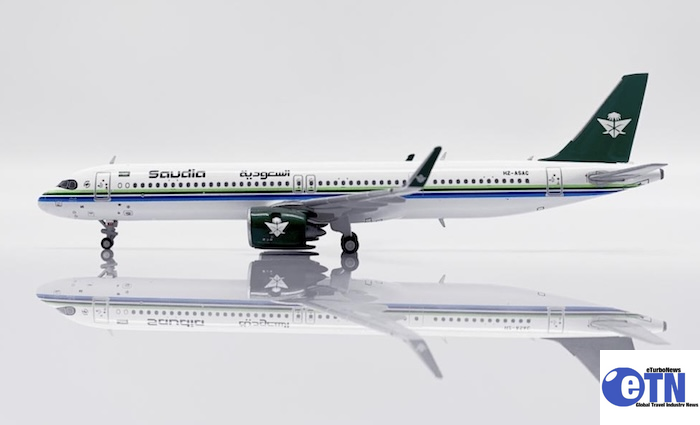
Saudi Arabia’s aviation sector is expanding rapidly, driving demand for over 58,000 new pilots in the Middle East. As fleets grow, the region faces mounting pressure on training capacity, infrastructure, and talent—raising questions about whether this ambitious growth can be sustained long term.
Riyadh, Saudi Arabia — Saudi Arabia’s aviation sector is entering a powerful new growth phase, driven by aggressive fleet expansion and a strategic push to transform the Kingdom into a global aviation hub. But behind the optimistic forecasts lies a deeper question: can the region sustain this rapid ascent without long-term strain on infrastructure, talent, and stability?
A Skyward Surge in Demand
Airlines across Saudi Arabia are rapidly increasing their fleets, particularly with narrowbody aircraft that support regional connectivity and high-frequency routes. This expansion is expected to dramatically increase the need for skilled pilots.
According to the Boeing Pilot and Technician Outlookthe Middle East will require more than 58,000 new pilots over the next 20 yearswith Saudi Arabia accounting for a significant portion of that demand.
Globally, the numbers are even more striking. The CAE Aviation Talent Forecast estimates:
- 130,000+ pilots needed in North America by 2032
- 250,000+ pilots needed in Asia-Pacific
This simultaneous expansion across regions is placing unprecedented pressure on global training systems.
Training Bottlenecks Loom
The scale of training required is staggering. Producing 58,000 pilots would demand approximately 11.6 million flight training hoursalongside over 1 million simulator hours.
To put that into perspective:
- A typical flight academy produces 12,000–15,000 hours annually
- A full flight simulator handles 5,000-6,000 hours per year
This gap highlights a looming bottleneck. Without rapid expansion of training infrastructure, airlines risk delays in fleet deployment and operational inefficiencies.
One expert emphasizes the urgency:
“Airlines need scalable training solutions. Access to global simulator capacity and expertise is becoming critical to sustaining long-term growth.”
Regional Growth — or Regional Strain?
While Saudi Arabia’s aviation ambitions align with broader economic diversification goals, the ripple effects across the Middle East raise important concerns.
The flight school of Lufthansa Group – European Flight Academy – lufthansa-aviation-training.com
Do you want to become a pilot? The pilot training at the European Flight Academy offers the best chance at a seat in the cockpit of a Lufthansa Group airline.
1. Talent Competition Intensifies
Neighboring countries like the United Arab Emirates and Qataralready home to major global carriers, may face increased competition for pilots, instructors, and aviation engineers. This could drive up wages and create talent shortages elsewhere.
2. Infrastructure vs. expansion
Airport capacity, air traffic management systems, and maintenance facilities must scale alongside fleet growth. Without synchronized development, congestion and inefficiencies could offset gains.
3. Overreliance on Global Training Networks
With limited local training capacity, Middle Eastern airlines may become dependent on international training providers. This raises questions about cost, accessibility, and resilience in times of geopolitical disruption.
Long-Term Implications: A Double-Edged Sword
The aviation boom could redefine the Middle East’s role in global air travel—but not without risks.
Potential upsides
- Strengthening the region as a global transit hub
- Job creation across aviation and tourism sectors
- Increased connectivity boosting trade and investment
Potential risks
- Pilot shortages slowing airline growth
- Rising operational costs due to training demand
- Vulnerability to global shocks (fuel prices, geopolitical tensions)
- Environmental pressure from increased air traffic
The Bigger Question
As Saudi Arabia accelerates its aviation ambitions, the central question is no longer just how fast the sector can grow—but how sustainably it can do so.
Will the Middle East emerge as the next dominant force in global aviation, or will structural challenges—training capacity, talent shortages, and infrastructure gaps—limit its trajectory?
The answer may determine not just the future of Saudi aviation, but the balance of power in the skies worldwide.