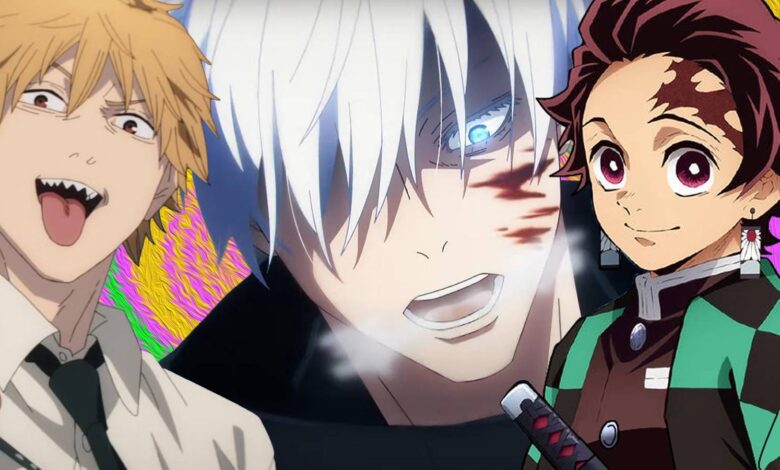
Modern action anime have stopped settling for spectacle alone. Attack on Titan weaponized dread, Jujutsu Kaisen turned Curses into cinema, and Vinland Saga proved a sword-swinging premise could argue against swinging swords at all. Streaming turned anime into a global mainstream product over the last decade, and action series absorbed the resulting budget increases faster than any other genre.
Fight choreography that once leaned on still frames and clever paneling now rivals theatrical animation shot for shot, giving directors room to stage battles with real geography and weight. That leap in craft only matters alongside writers willing to let violence carry actual consequences, instead of resetting by the next episode.
Attack on Titan Redefines What Modern Action Anime Can Accomplish
-
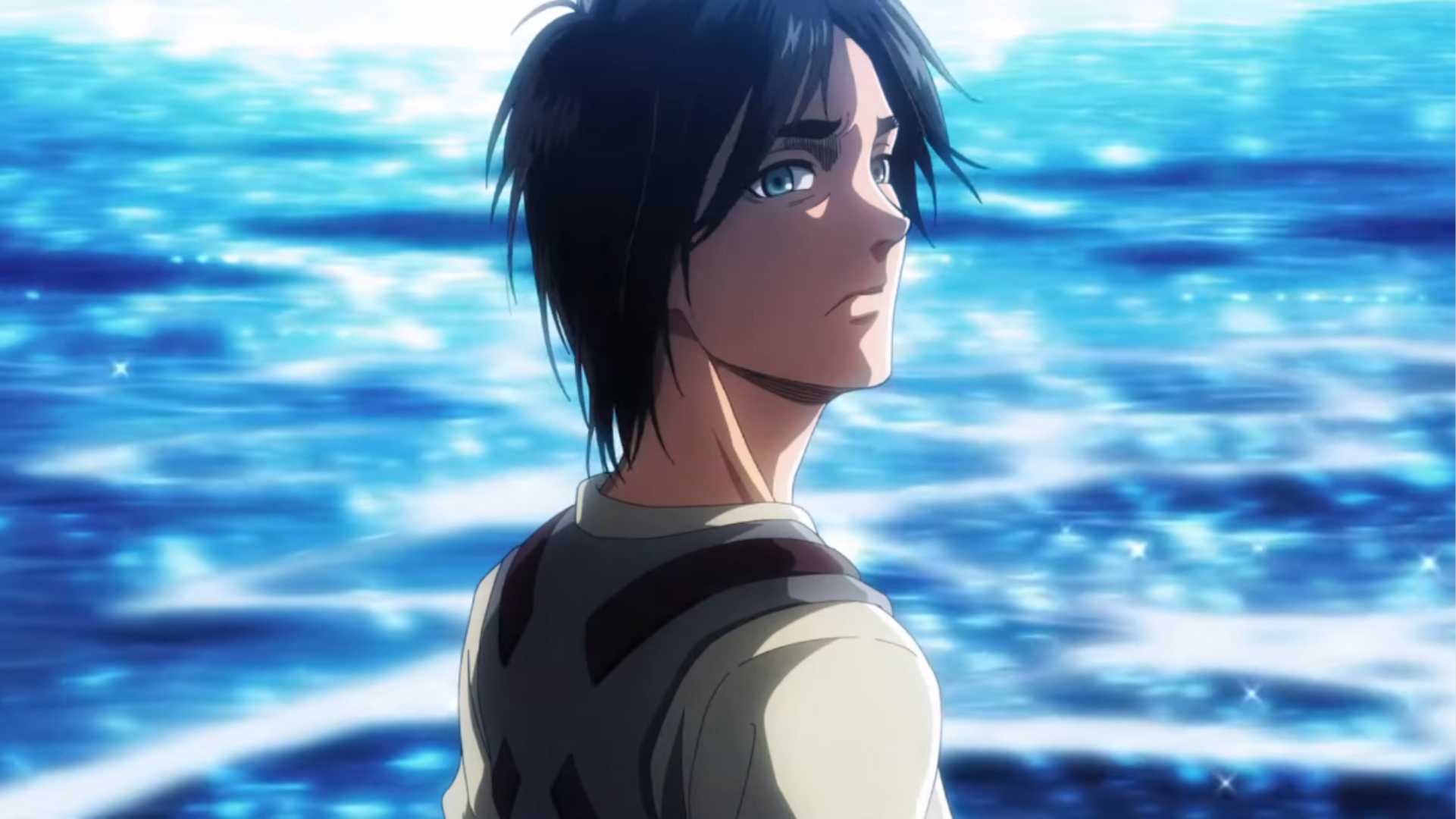 Image via Wit Studio
 -
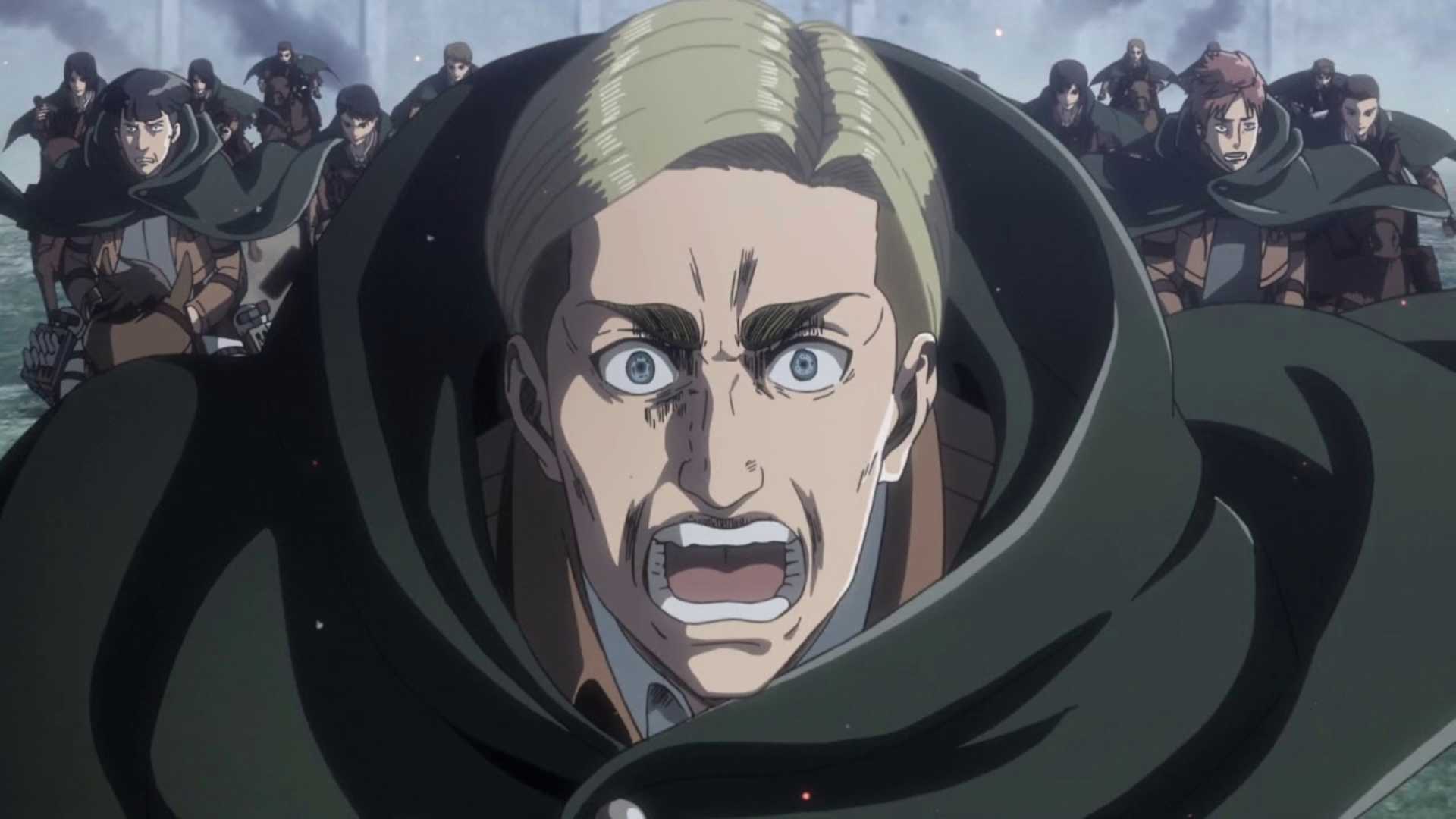 Image via Wit Studio
 -
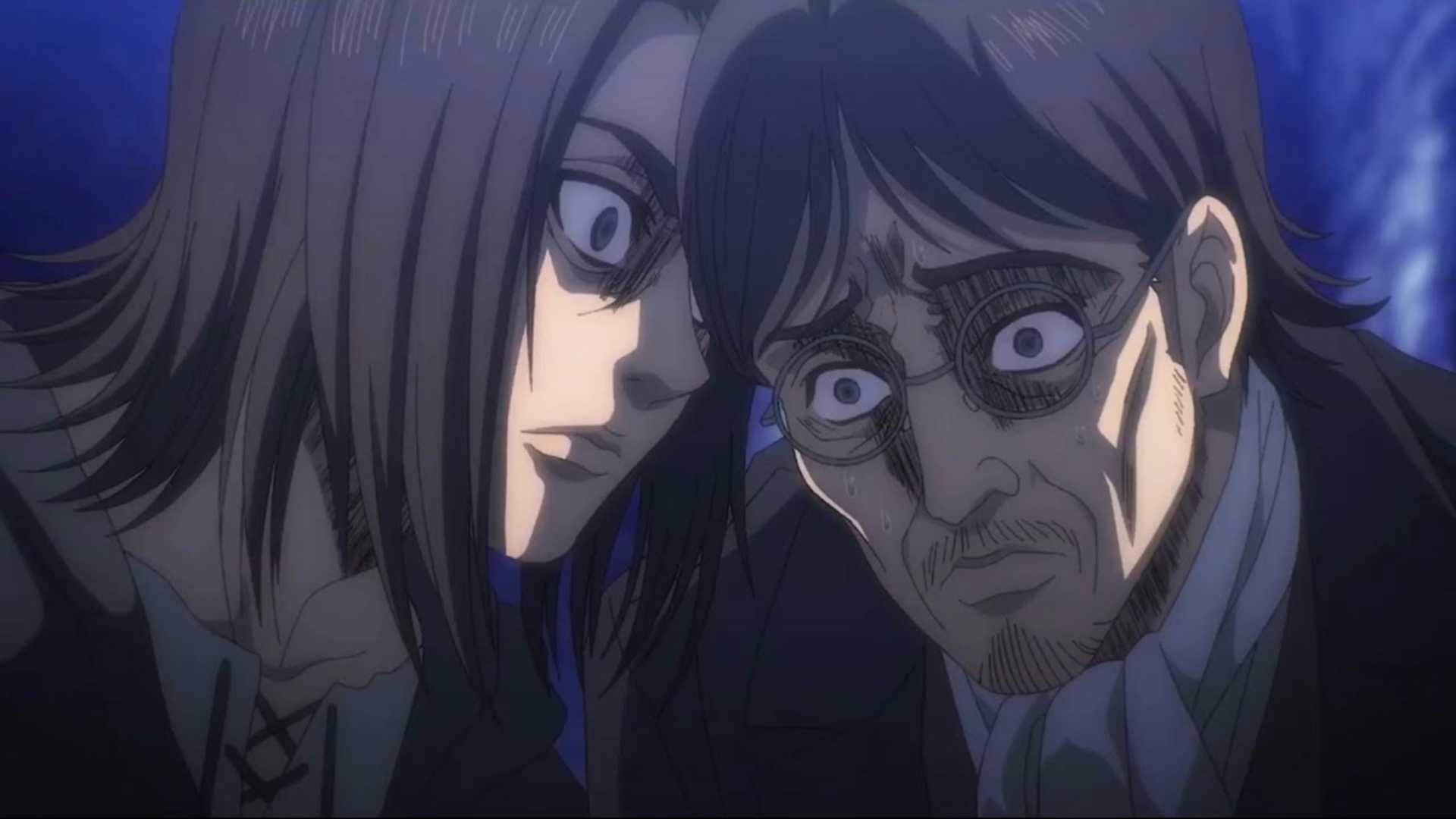 Image via Wit Studio
Eren Yeager’s transformation from wall-bound survivor to genocidal liberator gives Attack on Titan a moral architecture few action series attempt. WIT Studio and MAPPA escalate the animation alongside Eren’s descent, turning three-dimensional maneuver gear battles into a visual language for desperation itself. Armin Arlert and Mikasa Ackerman absorb that descent from the inside, giving the audience a conscience Eren abandons entirely by the story’s final stretch.
Attack on Titan earns classic status because Hajime Isayama refuses easy villains throughout the entire runtime. Eren’s arc forces viewers to reckon with cyclical violence rather than celebrate a hero’s victory, making the finale as divisive as it is unforgettable. Few finales risk audience backlash this deliberately, and fewer still commit to that risk.
Jujutsu Kaisen Elevates Shonen Action Through Stunning Battles
-
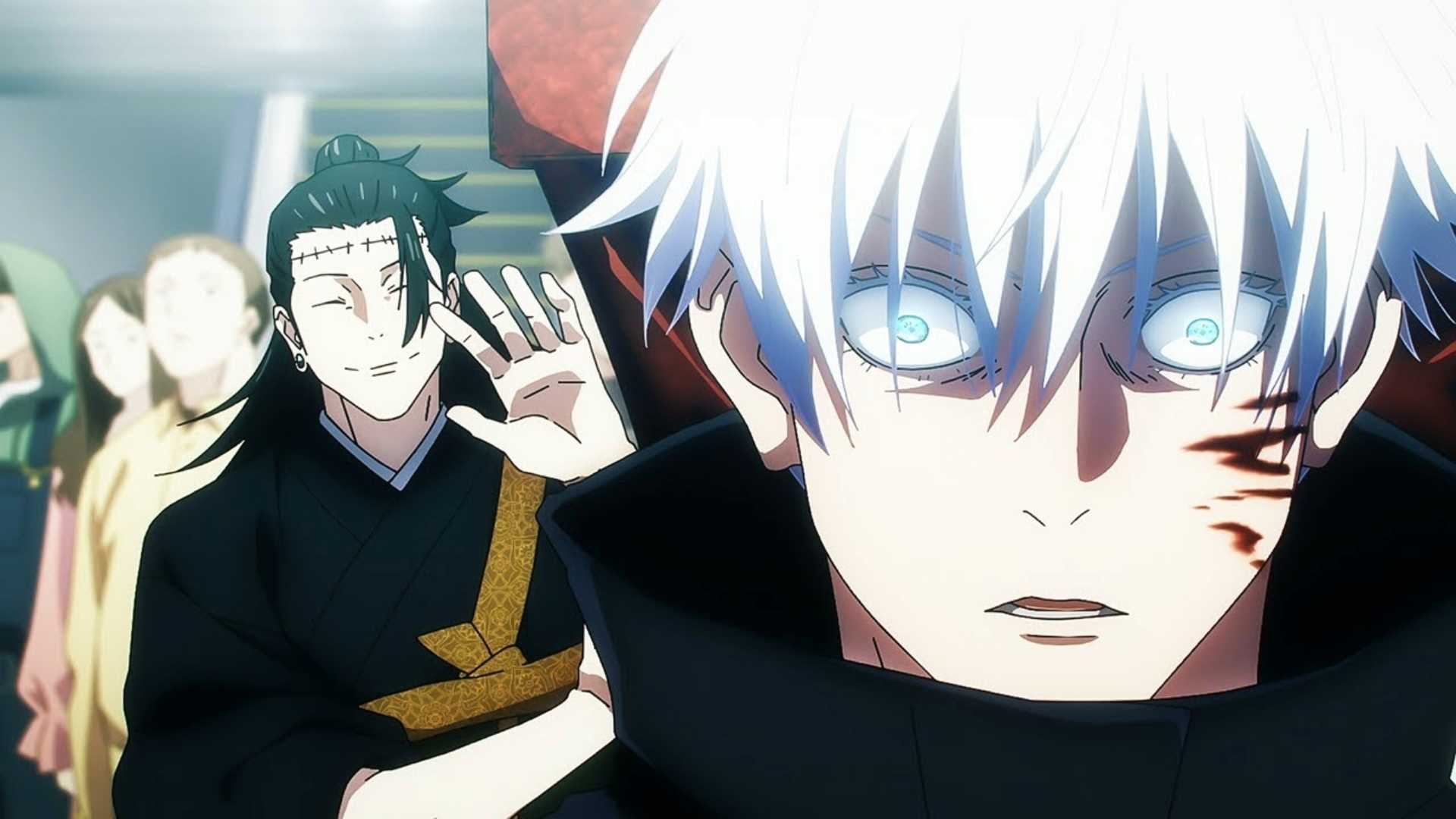 Image via MAPPA
 -
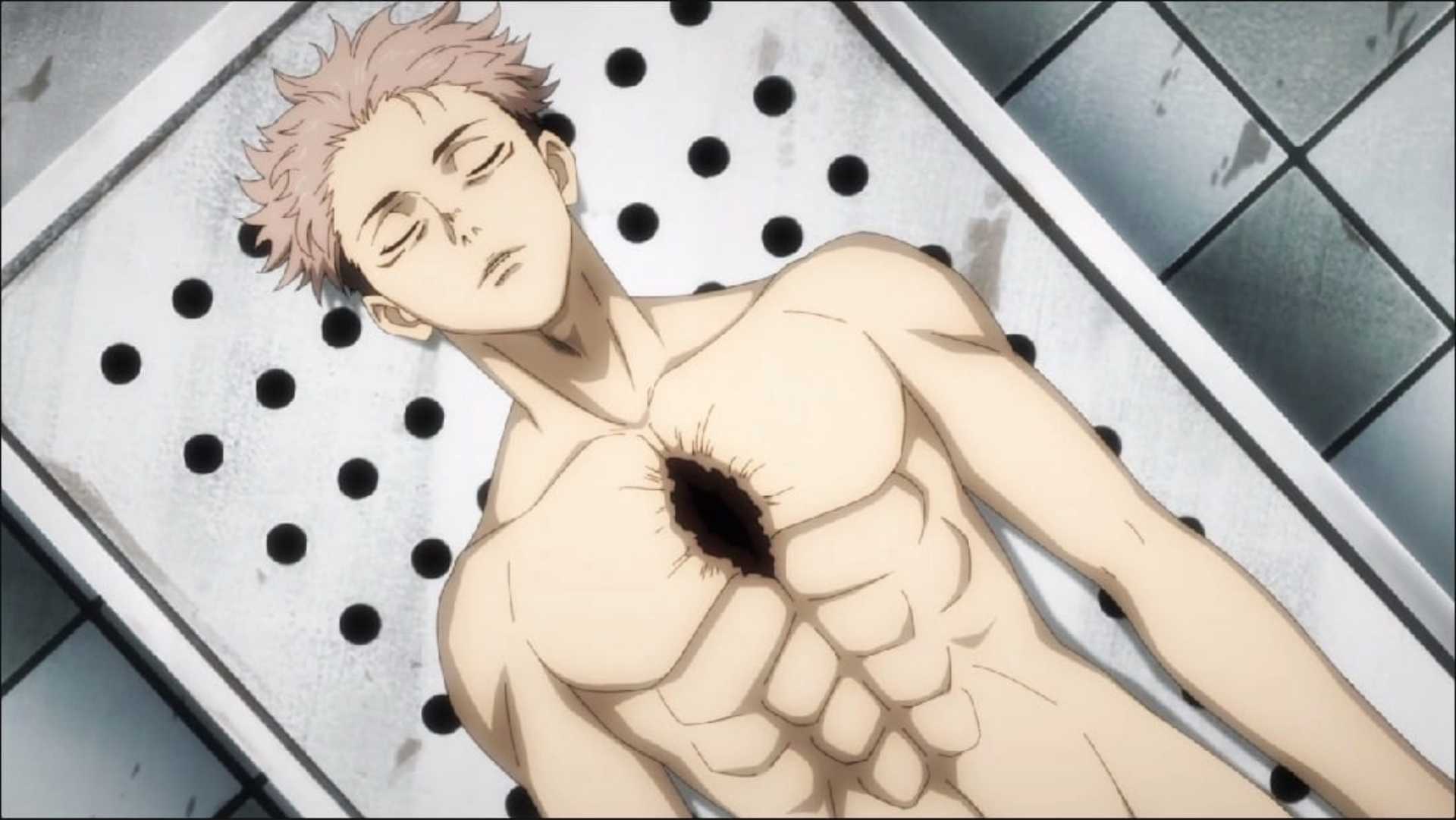 Image via MAPPA
 -
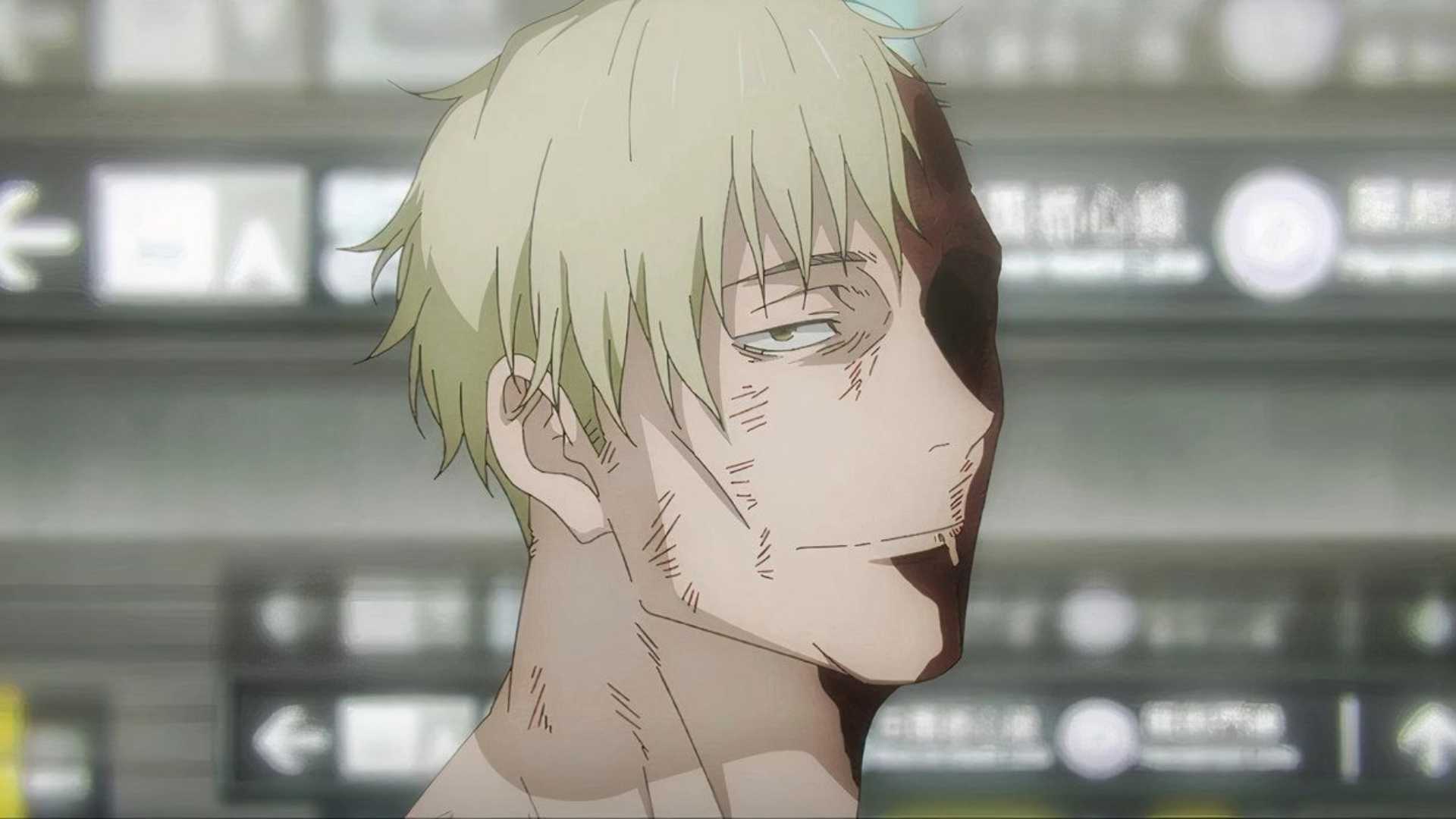 Image via MAPPA
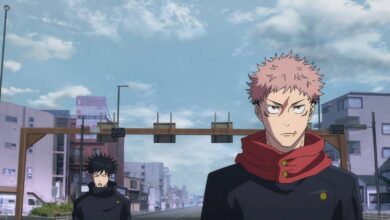
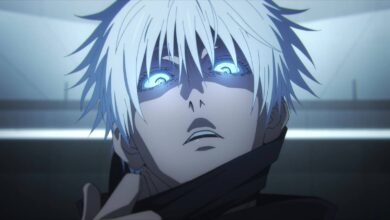
Gojo Satoru’s Infinity makes every fight a puzzle before it becomes a brawl, and MAPPA renders that puzzle with fluid, almost liquid choreography. Yuji Itadori’s decision to swallow Sukuna’s finger turns him into a walking execution order, stakes most shonen leads never face. While Megumi Fushiguro’s shadow-summoned Shikigami add texture that keeps fights unpredictable rather than a straightforward contest of raw Cursed Energy.
Moreover, Jujutsu Kaisen separates itself from genre peers by letting strength fail spectacularly. Nanami Kento’s death and Gojo’s sealing during the Shibuya Incident prove that power alone never guarantees survival, a rare admission for mainstream action storytelling. Sukuna’s absolute dominance afterward only deepens that unease, leaving the remaining sorcerers to face a brutal uphill battle against overwhelming curses on an unpredictable path forward.
Mob Psycho 100 Proves Restraint Makes Action Hit Harder

Shigeo Kageyama suppresses catastrophic psychic power because ONE’s writing treats explosive ability as a burden rather than a reward. Mob Psycho 100 channels that tension into action sequences that erupt only after episodes of quiet emotional pressure, making every release feel earned rather than routine. Reigen Arataka’s fraudulent bravado gives Mob’s sincerity somewhere to bounce against, turning their mentorship into the show’s true emotional engine.
Bones Studio matches Mob’s internal restraint with animation that shifts from minimalist to overwhelming within seconds flat. That contrast, rather than raw spectacle, gives Mob Psycho 100 a rewatch value most flashier titles never achieve. Dimple’s manipulations only sharpen that emotional whiplash further, exploiting Mob’s restraint until the show forces him to finally let go.
Vinland Saga Revenge Story Is an Argument Against Violence

Thorfinn spends Vinland Saga’s first season chasing his father’s killer with a singular, violent focus, then spends the second season unlearning every lesson that violence taught him. Vinland Saga uses that reversal to critique the exact revenge-fantasy structure most action anime depend on for momentum. Askeladd’s death haunts Thorfinn long after, shaping every decision he makes in the Slave Arc that follows.
WIT Studio stages Thorfinn’s early brutality with visceral clarity, while MAPPA gives equal care to his quiet transformation, making his later pacifism an evolution rather than a narrative compromise. The evolution transforms every peaceful conversation into meaningful progress, proving the hardest battles Thorfinn fights no longer require drawing a weapon. Einar’s farmland philosophy gives that disarmament a believable destination, offering Thorfinn a version of purpose violence never could.
Cyberpunk Edgerunners Compresses a Decade of Tragedy Into Ten Episodes

David Martinez’s rise from Night City nobody to chromed-up mercenary happens across ten episodes in Cyberpunk: Edgerunners, giving Studio Trigger no room for filler and lots of room for consequence. Trigger’s kinetic, neon-drenched direction turns cyberware installation into body horror disguised as empowerment throughout the entire season. Rebecca’s unwavering loyalty keeps David moving forward even as his obsession with becoming stronger pulls him toward inevitable collapse.
Cyberpunk: Edgerunners earns lasting relevance by refusing David a happy ending his power level would normally guarantee. Lucyna Kushinada’s grief closes the story, reinforcing that Night City punishes ambition regardless of how strong someone becomes. That refusal alone separates it from typical cyberpunk power fantasies that reward ambition rather than punish it outright.
Chainsaw Man Weaponizes Absurdity to Make Its Violence Land Harder

Denji wants bread and a soft bed before he wants to fight anything, and Tatsuki Fujimoto exploits those simple desires to make the Chainsaw Devil’s transformations feel unsettling rather than triumphant. MAPPA renders those transformations with a grime that entirely separates Chainsaw Man from cleaner shonen violence. Power’s chaotic loyalty complicates Denji’s fragile trust, giving him one of the first genuine relationships he has ever experienced.
Makima’s manipulation of Denji throughout the first season turns Chainsaw Man into a story about weaponized intimacy as much as it is about devil-hunting. That psychological cruelty gives the action stakes beyond mere survival, forcing Denji to question every relationship the story hands him, including the ones that seem safest at first glance.
My Hero Academia Built a Superhero Framework That Influenced Modern Action Anime

Izuku Midoriya inherits One For All from All Might, and Kohei Horikoshi uses that inheritance to interrogate what happens when legacy outweighs raw ability. My Hero Academia built a Quirk-based power system detailed enough to influence numerous later battle shonen and superhero-inspired series. Bakugo Katsuki’s rivalry forces Izuku to define heroism against ego, sharpening both fighters through years of hostile competition.
Bones Studio choreographs Izuku’s fights around escalating physical cost, showing broken bones as the price of borrowed power throughout many major arcs. That commitment to consequence keeps My Hero Academia grounded despite its increasingly cosmic stakes. All For One’s shadow looms over that cost constantly, reminding Izuku that inherited power still answers to an older, hungrier one.
Demon Slayer Turned Animation Spectacle Into a Genre Standard

Tanjiro Kamado’s pursuit of a cure for his demon sister Nezuko gave Ufotable a simple emotional core to animate around, and the studio responded with water and fire breathing sequences that reset audience expectations for televised action. Demon Slayer proved theatrical-grade animation could sustain a full television production without sacrificing consistency between episodes.
Ufotable’s Infinity Castle adaptation pushes that ambition even further, staging Hashira battles against Akaza and Doma on a scale few anime productions ever attempt. Muzan Kibutsuji’s final conflict brings Tanjiro’s journey toward the conclusion it has steadily built since the series began, ensuring Demon Slayer remains a defining modern action anime for years to come.
Guess the anime from the emojis.
🎌
Guess the
Anime
⭐
Guess the anime from the emojis.
Easy (120s)Medium (90s)Hard (60s)
Frieren Slows Down Action to Deepen Its Emotional Stakes

Frieren spends decades outliving the human companions who once traveled with her, and Frieren: Beyond Journey’s End uses that grief to reframe every subsequent battle as a meditation on lost time rather than a simple power fantasy. Fern’s mentorship under Frieren carries emotional weight most action prologues never bother earning, framing the elf’s slow growth as its own quiet victory.
Madhouse stages Frieren’s magic duels with unhurried, almost meditative pacing, letting silence do as much work as the spellcasting. That patience turns Frieren: Beyond Journey’s End into proof that action anime can succeed without relying on constant momentum. Stark’s growth alongside the party only reinforces that lesson, proving courage matters more than raw output.
86 Turns Mecha Warfare Into a Devastating Political Statement

Shinei Nouzen commands the Eighty-Six, a group of soldiers a corrupt government erases from its own casualty reports, and 86 uses that erasure to indict the kind of sanitized warfare some mecha stories present more conventionally. Lena Millize’s radio-connected guilt over the safety of Republic headquarters sharpens that indictment further, exposing the comfort her own government depends on.
A-1 Pictures renders Shinei’s squad’s mounting losses with a bluntness that denies viewers the comfort of clean heroism throughout the series. The refusal to soften Eighty-Six casualties makes 86 one of the decade’s most politically uncompromising action titles, pairing mecha combat with moral consequence. Rather than glorifying military victory, the series repeatedly emphasizes the emotional scars conflict leaves behind, giving every battlefield success an undeniable sense of tragedy and loss.