



Sabah’s tourism industry continues to drive billions in economic growth while attracting millions of domestic and international visitors. However, rising tourist arrivals are increasing pressure on infrastructure, environmental conservation and sustainability. The state now faces the challenge of balancing tourism expansion with long-term ecological protection and economic resilience.
Tourism has become one of the most important pillars of Sabah’s economy, transforming the Malaysian state into one of Southeast Asia’s leading ecotourism destinations. Blessed with world-renowned biodiversity, marine ecosystems, and indigenous cultural heritage, Sabah attracts millions of travelers annually and generates billions of ringgit in economic activity.
However, the latest developments highlighted in a recent report by BERNAMA reveal that Sabah’s tourism industry is now entering a more complex phase — one where rapid growth, environmental sustainability, infrastructure limitations, and global competition are becoming increasingly interconnected.

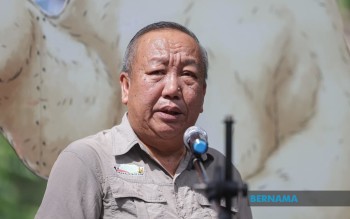
Island Tourism Sector In Sabah Needs Diesel, Petrol Subsidies
tourism, diesel, islands, SKDS, Jafry Ariffin
The report outlines growing concerns about maintaining Sabah’s tourism momentum while ensuring that natural assets, local communities and public infrastructure are not overwhelmed by expanding visitor numbers.
Sabah’s Tourism Industry: A Major Economic Driver
Tourism contributes significantly to Sabah’s economy and has become one of the state’s most important service industries. The sector supports hotels, restaurants, airlines, transport operators, tour agencies, handicraft businesses and rural tourism initiatives.
Sabah recorded approximately 3.79 million tourist arrivals in 2025, generating nearly RM8.74 billion in tourism receipts. State authorities are targeting four million visitors in 2026, demonstrating confidence in continued industry expansion.
Tourism’s importance has increased as Sabah diversifies beyond traditional industries such as:
- Petroleum and gas
- Palm oil
- Timber
- Agriculture
The sector is particularly valuable because it creates employment opportunities across urban and rural communities alike.
Who Travels to Sabah?
Sabah attracts both domestic and international visitors seeking nature, adventure and cultural experiences.
The main foreign visitor include markets:
- China
- South Korea
- Taiwan
- Singapore
- Australia
- Japan
- Europe
Chinese tourists remain Sabah’s largest international visitor group, reflecting strong regional air connectivity and growing interest in ecotourism.
Travelers are attracted by Sabah’s globally recognized tourism assets, including:
- Mount Kinabalu
- Sipadan Island
- Kinabatangan River
- Danum Valley Conservation Area
- Indigenous cultural tourism experiences
- Wildlife tourism featuring orangutans and proboscis monkeys
Cultural tourism has also become increasingly important, with attractions such as Mari Mari Cultural Village helping preserve and showcase Sabah’s indigenous heritage. (Wikipedia)
Current Situation Highlighted by BERNAMA
The BERNAMA report points to a critical issue facing Sabah tourism today: balancing tourism growth with sustainability and long-term economic resilience.
Several major concerns are emerging:
Environmental Pressure
Sabah’s tourism industry depends heavily on natural ecosystems. Coral reefs, rainforests and marine biodiversity form the foundation of the state’s international tourism appeal.
Yet rising visitor numbers are increasing pressure on:
- Marine ecosystems
- Waste management systems
- Water resources
- Coastal areas
- Protected conservation zones
Popular destinations around Semporna and Sipadan already face concerns about overtourism and environmental degradation.
Climate change further increases risks through:
- Coral whitening
- Rising sea temperatures
- Extreme weather
- Biodiversity loss
The BERNAMA report suggests that Sabah authorities are increasingly aware that environmental sustainability is no longer optional, but essential to the survival of the tourism industry itself.
Infrastructure and Capacity Challenges
Rapid visitor growth has created pressure on Sabah’s infrastructure, including:
- Airports
- Roads
- Ferry systems
- Tourism facilities
- Public sanitation systems
Although connectivity has improved substantially, especially through expanding international flight routes, infrastructure development has struggled to keep pace with tourism demand in certain areas.
Kota Kinabalu International Airport, for example, continues to experience growing passenger traffic as Sabah becomes more internationally connected.
Economic Dependence on Tourism
The report also reflects broader concerns about dependence on tourism as a major revenue source.
Sabah experienced severe economic disruption during the COVID-19 pandemic when international tourism collapsed. The crisis demonstrated the vulnerability of tourism-dependent economies to:
- Global pandemics
- Economic slowdowns
- Geopolitical tensions
- Airline disruptions
Heavy reliance on Chinese tourist arrivals also creates market concentration risks if travel demand weakens or diplomatic tensions emerge.
Security and International Perception
Eastern Sabah has historically faced maritime security concerns due to cross-border criminal activities originating from nearby southern Philippine waters.
Although security operations have strengthened significantly in recent years, international perception remains important in maintaining tourist confidence.
Comparison with Similar Global Tourism Challenges
Sabah’s current situation mirrors challenges faced by several tourism-dependent destinations worldwide.
Bali, Indonesia


Bali became one of Asia’s most successful tourism destinations but later faced major sustainability problems:
- Traffic congestion
- Waste accumulation
- Water shortages
- Environmental degradation
- Rising local living costs
Sabah faces similar risks if visitor growth continues without stronger planning controls and environmental protection measures.
Maldives


Like Sabah, the Maldives built its economy heavily around marine ecotourism. While tourism generated substantial wealth, the country became highly vulnerable to global travel disruptions during COVID-19.
Sabah’s dependence on international tourism markets reflects similar structural vulnerabilities.
Costa Rica
Costa Rica successfully positioned itself as a global leader in sustainable ecotourism through:
- Forest conservation
- National park protection
- Eco certification systems
- Community based tourism
Sabah shares many characteristics with Costa Rica, including biodiversity richness and ecotourism potential. Analysts often point to Costa Rica as a possible model for Sabah’s long-term tourism development strategy.
Bhutan
Bhutan adopted a “high-value, low-volume” tourism approach designed to:
- Protect cultural heritage
- Preserve environmental sustainability
- Reduce overtourism
- Increase tourist spending quality rather than quantity
Sabah’s growing emphasis on “quality tourism” instead of purely maximizing arrival numbers resembles Bhutan’s strategy.
Sabah’s Strategic Opportunity
Despite the challenges, Sabah remains one of Asia’s strongest ecotourism destinations due to its unique combination of:
- Tropical biodiversity
- Marine ecosystems
- Indigenous culture
- Adventure tourism
- Wildlife conservation


The BERNAMA report underscores that Sabah is now at a strategic turning point. Future tourism growth cannot rely solely on increasing visitor arrivals. Instead, long-term success will likely depend on: