


RIYADH — Only a few years ago, Saudi Arabia was impossible to ignore.
The Kingdom’s tourism ambitions dominated international conferences, investment forums, aviation summits, and industry headlines. Every month seemed to bring another announcement: NEOM, The Line, the Red Sea, Diriyah Gate, Riyadh Air, Trojena, AlUla, luxury island resorts, global sporting events, and billion-dollar investments designed to transform Saudi Arabia into one of the world’s most important tourism destinations.
Today, the headlines have become quieter.
Most projects have not disappeared. The investment has not stopped. Tourism numbers continue to rise, and Saudi Arabia remains one of the fastest-growing destinations for visitors in the world. Yet many inside the tourism industry believe something fundamental has changed.
The concern is not about visitor arrivals. The concern is about momentum.
And increasingly, some industry insiders are asking whether Saudi tourism has entered a phase where execution is replacing vision, bureaucracy is replacing entrepreneurship, and caution is replacing the bold international commitment that helped define the first chapter of Vision 2030.
The Numbers Still Look Strong
By most measurable standards, Saudi tourism remains a success story.
Religious tourism continues to expand, with Hajj and Umrah numbers reaching record levels. Domestic tourism is thriving. International leisure tourism has grown dramatically since the Kingdom opened its doors in 2019. Major events continue to attract global attention.
Tourism’s contribution to the economy has increased significantly, and many of the original Vision 2030 targets were achieved years ahead of schedule. This is not a story about failure. It’s a story about transition.
The question facing Saudi Arabia today is whether the forces that created its tourism boom are the same forces needed to sustain it.
The Minister Who Changed Everything
Much of Saudi tourism’s international success became associated with one individual: Tourism Minister Ahmed Al-Khateeb.
In an industry often dominated by cautious bureaucrats, Al-Khateeb developed a reputation as something very different.
Hey was visible. He was accessible. He was ambitious. He was willing to challenge industry assumptions and publicly commit to goals that many observers initially dismissed as unrealistic.
At tourism summits from Madrid to Riyadh, London to Dubai, Al-Khateeb became one of the most recognized government tourism leaders in the world. His approach was not merely promotional.
Industry executives credit him with personally building relationships across airlines, hotel groups, investment funds, tourism boards, international organizations, and private-sector stakeholders. For many partners, Saudi tourism became synonymous with direct access, quick decision-making, and a willingness to think at a scale rarely seen elsewhere.
One senior tourism executive familiar with the Kingdom’s development described the early years of Vision 2030 as “a period when anything seemed possible.” “It wasn’t just the money,” the executive said. “It was the energy.”
A Ministry in Transition
Today, many of the personalities who helped define that period have either departed, assumed different responsibilities, or become less visible.
Princess Haifa bint Mohammed Al Saud, whose international presence helped shape Saudi Arabia’s tourism image, is no longer playing the same highly visible role she once occupied.
Other senior officials and tourism leaders who became familiar figures during the Kingdom’s rapid expansion have also moved on.
Industry observers point to a broader turnover among key tourism leadership figures, creating what some describe as a generational transition within the ministry itself.
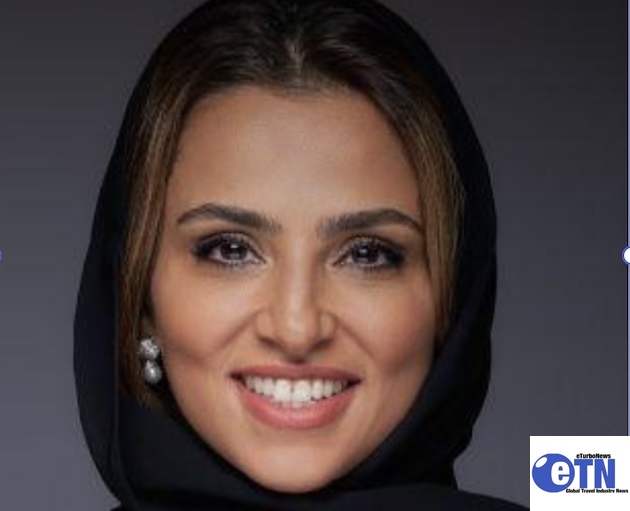
As these changes unfold, Deputy Minister for International Affairs Hawazen Nassief emerged as an increasingly important international representative of Saudi tourism. Nassief’s leadership style differs markedly from that of Al-Khateeb.
Hawazen Nassief is the Deputy Minister for International Affairs (sometimes translated as International Relations) at Saudi Arabia’s Ministry of Tourisma position she assumed in 2025. In this role, she is responsible for strengthening Saudi Arabia’s international tourism partnerships, diplomatic engagement, and global cooperation efforts in support of the Kingdom’s Vision 2030 tourism strategy.
Where the minister became known for bold public commitments, ambitious projections, and high-profile engagement with industry stakeholders, Nassief has emphasized diplomacy, multilateral cooperation, sustainability, international relations, and long-term policy frameworks.
As a tourism industry entering maturity, they argue, it requires institutional strength more than charismatic leadership. The focus must now be on governance, sustainability, implementation, and long-term economic impact.
Yet privately, not everyone is convinced.
The Criticism Nobody Says Publicly
In conversations with tourism executives, consultants, investors, and industry stakeholders familiar with Saudi Arabia’s tourism sector, a recurring theme emerges. Many believe Saudi tourism has become less visible internationally than it was only a few years ago.
Some describe a loss of urgency. Others describe a loss of accessibility. A few go further, describing a loss of leadership. None of these criticisms are voiced publicly.
Saudi Arabia’s political and business culture rarely rewards public criticism, particularly regarding government initiatives. As a result, concerns are generally expressed privately, often with significant caution.
But they exist. Several industry figures say the Kingdom’s tourism transformation was built not only on investment and infrastructure but on relationships. Those relationships require constant commitment.
They required leaders willing to travel extensively, challenge assumptions, promote partnerships, and continuously keep Saudi Arabia at the center of global tourism discussions.
Some insiders worry that the international outreach effort has become more institutional and fewer personnel. Others question whether enough attention is being devoted to maintaining relationships established during the industry’s formative years.
“There is no question the projects are still there,” said one industry veteran who has worked closely with Saudi tourism initiatives. “The question people ask privately is whether the passion is still there.”
Another tourism executive described the situation more bluntly. “The ministry used to feel like a startup. Now it feels more like a government department.”
Whether that perception is fair or not, it reflects concerns that have become increasingly common among some international partners.


Ministry of Tourism | Saudi Arabia
Riyadh Air and the Reality Test
The debate surrounding Riyadh Air illustrates the broader challenges facing Saudi tourism.
When first announced, the airline symbolized Saudi Arabia’s confidence and ambition. It was presented as a cornerstone of the Kingdom’s future tourism strategy and an essential component of Riyadh’s emergence as a global hub.
Today, Riyadh Air remains a strategic priority. But it also faces a far more difficult environment than originally anticipated.
Aircraft shortages, supply chain disruptions, intense regional competition, and growing investor demands for profitability have complicated the picture.