


MUSCAT, Oman — At a time when much of the Middle East tourism industry is watching regional geopolitical tensions with concern, Oman is quietly sending a different message: long-term confidence.
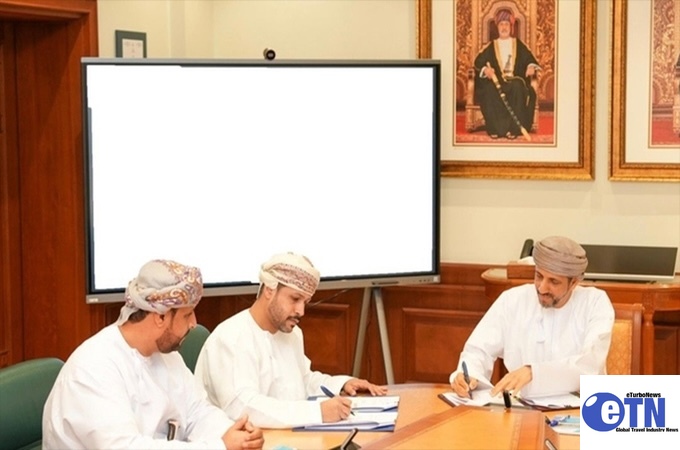
The Sultanate’s Ministry of Heritage and Tourism recently signed two new usufruct agreements for tourism developments valued at more than RO 12 million (US$31 million), reinforcing its commitment to expanding the tourism sector, which has become a cornerstone of economic diversification.
The projects include a four-star resort in Al Hamra, A’Dakhiliyah Governorate, and a five-star hotel in Mirbat, Dhofar Governorate. Together, they represent more than new hotel inventory; they symbolize Oman’s determination to continue building a tourism economy rooted in culture, nature, sustainability, and community development.
A Tourism Industry Still Growing


Despite regional instability linked to the ongoing Iran crisis and concerns surrounding the Strait of Hormuz, Oman’s tourism industry continues to demonstrate resilience.
According to tourism and aviation reports, Oman welcomed approximately 3.9 million international visitors in 2025, while hotel guest numbers and inbound air traffic continued to rise. Hotel revenues increased significantly during 2025, reflecting strong demand across leisure, business, and domestic travel segments.
Unlike some Gulf destinations that depend heavily on large-scale entertainment or mega-events, Oman has developed a tourism identity built around authenticity. Visitors come not only for beaches and luxury resorts, but also for mountain villages, wadis, UNESCO heritage sites, desert landscapes, and one of the most preserved cultural environments in the Arabian Peninsula.
Who Comes to Oman?
The majority of visitors continue to originate from neighboring GCC countries, particularly the United Arab Emirates and Saudi Arabia. The Indian market remains one of the country’s most important long-haul source markets, while European arrivals—especially from Germany, the United Kingdom, France, and Italy—continue to grow.
European travelers are increasingly drawn to Oman’s positioning as a destination that offers authentic Arabian experiences without the hyper-urban character of some neighboring Gulf states. Direct air connectivity, expanded tourism promotion campaigns, and growing interest in adventure travel have strengthened these markets.
Meanwhile, India and wider Asian markets continue to generate strong demand, supported by family travel, business connections, and the country’s reputation as a safe and accessible destination.
What Are Travelers Looking For?
Oman’s appeal lies in experiences that increasingly align with global travel trends.
Visitors are seeking:
- Authentic cultural immersion
- Nature-based tourism
- Adventure activities
- Wellness and wellness retreats
- Sustainable travel experiences
- Luxury tourism integrated with local heritage
The new Al Hamra resort illustrates this direction perfectly. Located near the dramatic landscapes of Jebel Shams, often called the “Grand Canyon of Arabia,” the project aims to combine adventure, relaxation, and environmental sustainability.
Likewise, the Mirbat hotel in Dhofar taps into one of the Arabian Peninsula’s most distinctive tourism assets: the annual Khareef season, when monsoon rains transform southern Oman into a lush green landscape that attracts hundreds of thousands of regional visitors every year.
Culture Before Concrete
What distinguishes Oman from many competing destinations is its emphasis on preserving cultural identity.
Traditional architecture remains prominent in cities and villages. Historic forts, ancient Aflaj irrigation systems, souqs, and maritime heritage continue to form the backbone of tourism development strategies.
Travelers increasingly seek meaningful experiences rather than standardized luxury, and Oman has capitalized on this shift. Whether exploring the mud-brick villages of Al Hamra, hiking mountain trails, visiting frankincense sites in Dhofar, or engaging with local communities, visitors encounter a destination that has largely resisted over-commercialization.
This cultural authenticity has become one of Oman’s strongest competitive advantages.
The Iran Factor: Concern, But Not Crisis
No discussion of Oman’s tourism outlook can ignore the geopolitical environment.
The ongoing tensions involving Iran have created uncertainty across the Middle East tourism sector. Industry analysts estimate that the broader regional conflict has disrupted airline operations, altered travel patterns, and reduced visitor confidence in some Gulf destinations.
Oman occupies a unique position.
Sharing responsibility for the Strait of Hormuz and maintaining longstanding diplomatic relations with Iran, the Sultanate has traditionally served as a neutral mediator in regional affairs. Recent developments surrounding maritime security and shipping through the Strait have attracted international attention.
Tourism operators report that some long-haul travelers initially express concerns about the region. However, Oman has largely avoided being perceived as a direct participant in regional conflicts. Its reputation for stability, neutrality, and security continues to provide a significant advantage.
There have been localized impacts, particularly in areas closely connected to Strait of Hormuz activity, where tourism businesses have experienced disruptions due to geopolitical uncertainty.
Nevertheless, industry stakeholders generally view the current challenges as manageable rather than existential. The country’s tourism strategy is based on long-term development rather than short-term demand spikes.
New Investments Reflect Long-Term Confidence
The recently announced projects demonstrate that investors remain optimistic about Oman’s tourism future.
The Al Hamra resort, covering approximately 25,000 square meters and representing an investment of nearly RO 9.9 million, aims to create an integrated tourism destination focused on adventure and sustainable tourism.
The Mirbat project, spanning approximately 55,000 square meters with 121 rooms, will include restaurants, conference facilities, sports amenities, and swimming pools, enhancing Dhofar’s capacity to host both leisure and business travelers.
According to Ministry of Heritage and Tourism officials, these projects form part of a broader national strategy to expand tourism infrastructure, create employment opportunities, strengthen local content, and support economic diversification.
Looking Ahead
For Oman, tourism is no longer simply a supplementary industry; it is a strategic pillar of Vision 2040.
While regional tensions linked to Iran and broader Middle East security concerns will remain variables that tourism planners must monitor carefully, the Sultanate’s fundamentals remain strong.
Travelers continue to seek destinations that offer authenticity, safety, nature, and cultural depth. Oman delivers all four.
The new investments in Al Hamra and Mirbat suggest that both government and private investors believe the country’s tourism story is still in its early chapters.
In a region often defined by headlines, Oman continues to build its tourism future through heritage, landscapes, and quiet confidence.