


Molecular solar thermal energy (MOST) was once considered a great source of hope. But then nothing happened for a long time. Now researchers have made progress by liquefying solar energy and storing it for months.
Heat generation accounts for almost half of global energy demand. So far, fossil fuels such as gas and oil cover two thirds of this demand. While batteries store electrical power efficiently, long-term heat storage remains a technical challenge.
A research team from the University of California is now showing a new path in molecular solar thermal energy (MOST). The method stores solar energy directly in chemical bonds for months. Molecules later release the energy as heat exactly when it is needed.
Molecular solar thermal energy: inspiration from sunburn
When developing it, the scientists used chemical processes that are similar to sunburn. Ultraviolet light combines neighboring bases in human DNA to form so-called Dewar isomers. What can cause cancer in nature serves here as a highly efficient molecular battery.
An artificial liquid made from 2-pyrimidone mimics this effect. Under sunlight, the molecule folds into an extremely stable storage form. This condition remains at room temperature for up to 481 days.
The system achieves an energy density of 1.65 megajoules per kilogram. This means it exceeds the capacity of lithium-ion batteries by almost twice. For comparison: Classic heating oil stores around 40 megajoules per kilogram, which illustrates the distance to fossil fuels.
Liquid fuel without poison
The researchers call the underlying mechanism “compounded strain”. The molecules twist into a structure with two four-membered rings made of 1,2-dihydroazet and diazetidine. These rings create tremendous tension, which the substance releases as heat when it snaps back.
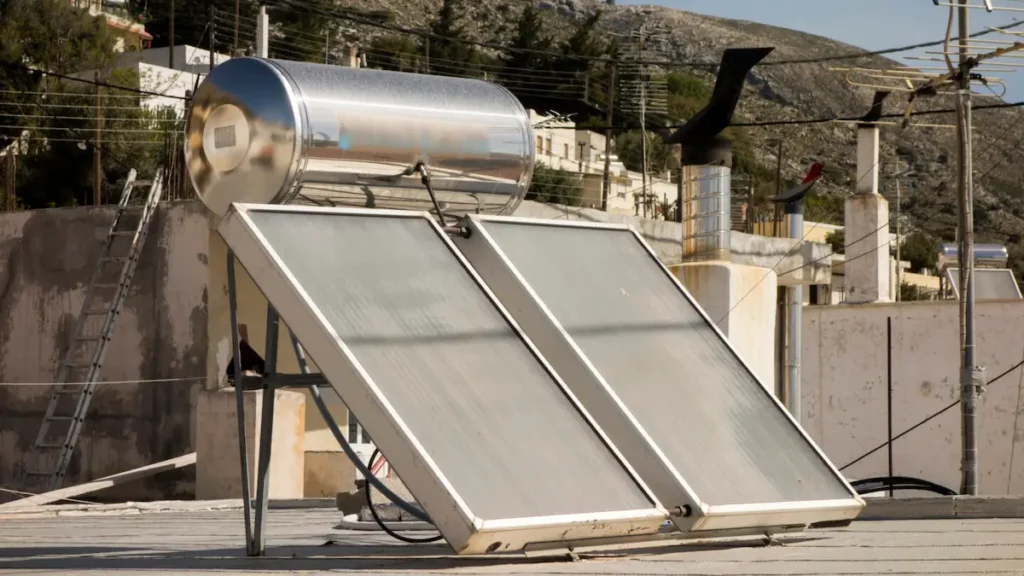
In contrast to previous attempts, the storage material is liquid at room temperature. It does not require toxic solvents such as toluene, which would dilute the energy density. Pumps transport the fuel through roof collectors directly into a storage tank in the basement.
The liquid is also insensitive to water and releases enough energy to bring it to a boil. This significantly increases the safety for use in residential buildings. In the event of a leak, no toxic fumes or dangerous chemicals are released.
Hurdles and solutions
The molecules currently only capture around five percent of the solar spectrum. An energetic leak, the so-called non-radiative decay, has so far prevented higher efficiency. The excited molecule immediately shakes off the energy as heat instead of storing it permanently.
The researchers also plan to replace the liquid acid catalyst. In the future, a solid, acid-functionalized surface will control the energy release. This makes subsequent neutralization of the fuel unnecessary and simplifies the cycle.
Also interesting:


🤑 Get a €200 bonus
Open yours now free Santander checking account and dust for a short time up to 200 euros bonus for new customers. It’s worth being quick!
Secure €200 now
Requirements apply, advertisement