


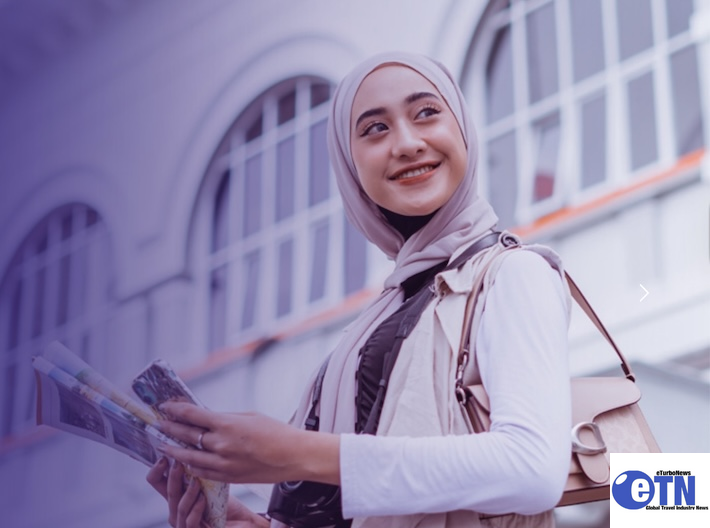
Malaysia has launched the world’s first Muslim-friendly spa guidelines, setting a new global standard for inclusive wellness. From Kuala Lumpur to Dubai and London, spas are adapting to meet the needs of Muslim travelers—offering privacy, halal products, and culturally sensitive services without compromising luxury or experience.
KUALA LUMPUR, Malaysia — In a softly lit treatment room overlooking the skyline of Kuala Lumpur, a therapist prepares warm herbal oils for a client. The setting is familiar—plush linens, hushed tones, the promise of calm. But here, subtle differences redefine the experience: the therapist is the same gender as the guest, the oils are halal-certified, and just down the corridor, a discreet prayer room awaits.
This is the future envisioned by Malaysia’s tourism authorities—one where wellness and faith are no longer in quiet tension, but carefully aligned.
In a landmark move, the country’s Islamic Tourism Center (ITC) and the Association of Malaysian Spas (AMSPA) have introduced what they describe as the world’s first Muslim-Friendly Spa Guideline and Training Programan effort to standardize a concept that has until now existed only in fragments across the global hospitality industry.
A Market Long Overlooked
The global Muslim travel market—estimated in the hundreds of billions of dollars—has reshaped airlines, hotels, and even cruise experiences over the past decade. Prayer rooms in airports, halal-certified kitchens in five-star resorts, and modest swimwear policies are no longer uncommon.
Yet spas, those sanctuaries of indulgence, have remained more complicated.
For many Muslim travelers, the very premise of a spa can present dilemmas: partial undress, physical contact with strangers, and products that may contain alcohol or animal-derived ingredients. The result has often been quiet avoidance. “People don’t always say why they’re uncomfortable,” said a Kuala Lumpur-based spa manager. “They just don’t book.”
Malaysia’s new guidelines aim to change that—not by reinventing the spa, but by recalibrating it.
Rewriting the Rules of Relaxation
At its core, the Muslim-friendly spa model is less about restriction than reassurance.
At Hammam Spa, a pioneer of the concept, guests enter a space inspired by traditional Middle Eastern bathhouses. Women-only sections offer privacy, while treatments unfold in stages that preserve modesty—robes adjusted with care, exposure minimized to only what is necessary.


Across the Andaman Sea on the island of Langkawi, Jari Jari Spa offers a different interpretation: open-air pavilions surrounded by greenery, where treatments rely on plant-based oils and age-old Malay healing techniques. Privacy comes not from walls, but from distance and design.
Even international luxury brands are adapting. At the Mandarin Oriental in Kuala Lumpur, therapists can be matched by gender upon request, and private suites allow guests to control their level of exposure—an accommodation once considered niche, now increasingly standard.
A Global Patchwork, Without a Pattern
Beyond Malaysia, elements of Muslim-friendly wellness have quietly taken root, although often without coordination.
In Dubai, Talise Ottoman Spa offers gender-segregated facilities and private hammams beneath ornate domes—a fusion of Ottoman opulence and modern hospitality.


In Istanbul, the centuries-old Kılıç Ali Paşa Hamamı continues a tradition where men and women bathe in separate sessions, preserving a cultural rhythm that predates modern wellness trends.


And in London, luxury hotels like The Spa at The Landmark London have begun quietly accommodating Muslim guests through private bookings and same-gender therapists—small adjustments in a city defined by diversity.


In Jakarta, Martha Tilaar Spa integrates traditional herbal treatments with halal-conscious practices, reflecting the expectations of the world’s largest Muslim-majority nation.


What has been missing, industry observers say, is a shared language—a way to define what “Muslim-friendly” truly means.
From Intuition to Infrastructure
That is where Malaysia’s initiative seeks to intervene.
The guidelines outline a framework that includes halal-certified products, gender-sensitive staffing, modesty protocols, and prayer accommodations. But just as crucial is the accompanying training program, designed to standardize how these principles are applied.
“It’s not just about facilities,” said a tourism official involved in the project. “It’s about behavior—how staff interacts, how they understand comfort from a cultural perspective.”
In practice, that might mean knowing how to drape a towel without exposing the body unnecessarily, or recognizing when a guest may wish to pause for prayer without needing to ask.
The Business of Belonging
For Malaysia, the move is also strategic. The country has long positioned itself as a leader in halal tourism, and this initiative extends that reputation into the lucrative wellness sector.
But the implications reach further.
As global travelers increasingly seek experiences that reflect their identities—whether cultural, religious, or ethical—the definition of luxury itself is evolving. It is no longer just about exclusivity or extravagance, but about comfort without compromise.
A Quiet Transformation
Back in Kuala Lumpur, the spa treatment ends as it often does: with tea, silence, and a gradual return to the outside world.
Nothing about the experience feels diminished. If anything, it feels more considered.
For decades, spas have promised escape—a temporary suspension of reality. What Malaysia is proposing is something more nuanced: a space where relaxation does not require leaving one’s values behind.
In an industry built on the art of feeling at ease, that may prove to be the most powerful luxury of all.