




Cost and construction method
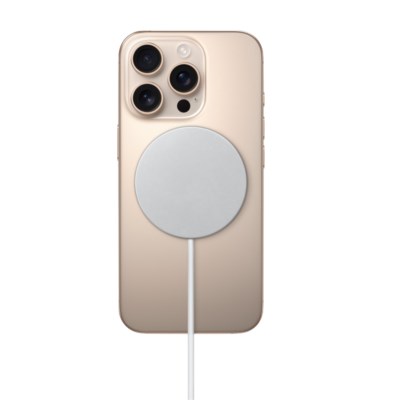
On the one hand, manufacturers are under cost pressure, and Apple is no exception, but on the other hand, MagSafe may no longer fit the design of future iPhones. One example is the iPhone Ultra, which foregoes MagSafe in view of dummies that have appeared in advance. With a foldable device that is only a few millimeters thick, the space for magnets, charging electronics and shielding is much tighter than with a classic iPhone, which is why Apple may have decided to take this step. At least in this series, price considerations probably did not play a decisive role. The iPhone Air, on the other hand, does have MagSafe, despite its lower price and low height.
Complete abolition is unlikely – but realignment is conceivable
A complete withdrawal of MagSafe from the iPhone series still seems unlikely. The accessory ecosystem is now large, and the open Qi2 standard is based directly on Apple’s magnetic alignment technology. However, Apple could leave out MagSafe for particularly thin devices such as the foldable iPhone, question it for cheaper models to reduce costs, or rely more on cases with an integrated magnetic ring. However, this would be a step backwards for users, because the market’s interest in MagSafe could decrease due to increasing fragmentation – and cases with MagSafe often do not achieve the elegance and reliability of the native integration.