


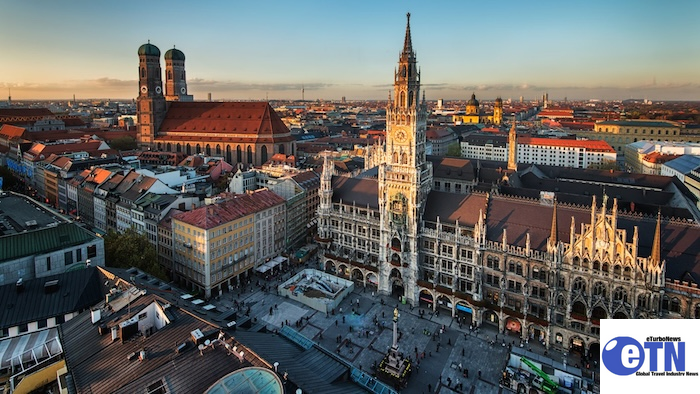
Lufthansa is transforming transit travel into a tourism opportunity with its new Munich stopover program. Following global airline trends, the German carrier now allows passengers to extend layovers into multi-day visits—boosting tourism while making its European hub more competitive for international travelers.
In the evolving world of global aviation, a quiet but powerful transformation has been taking place for more than two decades: airlines are no longer just transporting passengers—they are shaping tourism economies. What began as a clever marketing idea in Asia has grown into a competitive strategy among the world’s leading hub carriers. Now, even Europe’s legacy giants are catching up.
Singapore Airlines: The Pioneer of the Stopover Strategy


When ASEAN cooperation gained momentum in 1999 under the Association of Southeast Asian Nations, regional connectivity became a priority. Singapore Airlines seized this moment with strategic foresight.
Operating from its highly efficient hub at Changi Airport, the airline introduced its now-famous stopover program. What was once a purely business-focused city-state quickly evolved into a must-visit leisure destination. Travelers transiting through Singapore were encouraged to extend their stays, transforming layovers into mini-vacations.
The result? Singapore rebranded itself globally—not just as a financial powerhouse, but as a vibrant tourism hotspot.
Turkish Airlines: Istanbul’s Tourism Boom


Following this model, Turkish Airlines leveraged its geographic advantage between East and West. Its hub in Istanbul became a global crossroads.
By promoting extended stopovers and even free hotel stays, the airline dramatically increased overnight visits. Istanbul—already rich in history—benefited from a surge in transit tourism, reinforcing its position as one of the world’s most visited cities.
Gulf Carriers: Building Global Tourism Powerhouses


The strategy reached its peak with Gulf carriers such as Emirates, Qatar Airways, and Etihad Airways.
These airlines didn’t just promote stopovers—they built entire tourism ecosystems. Cities like Dubai and Doha transformed into global tourism icons, driven by aggressive marketing, luxury offerings, and seamless transit experiences.
For years, these hubs dominated long-haul travel, effectively creating a near-monopoly on intercontinental connections between Europe, Asia, and beyond.
A Shift in the Winds: Challenges in the Gulf
Recent geopolitical tensions—including the ongoing Iran-Israel conflict escalation—along with fluctuating traveler confidence, have begun to reshape passenger preferences. Concerns about regional stability, combined with changing airline alliances and operational dynamics, are prompting travelers to reconsider traditional Gulf stopover routes.
This shift is opening opportunities for other global carriers to reclaim relevance.
Lufthansa’s Late but Strategic Entry


Germany’s Lufthansa is now stepping into the stopover arena, years after its global competitors.
In a newly launched initiative, Lufthansa allows passengers traveling between Singapore and the United States to extend their layover at its Munich hub for up to seven days. The program, integrated directly into the booking process on the airline’s platform, enables travelers to transform a simple connection into a immersive city experience.
Munich (Munich) becomes the first city featured in this rollout. Travelers can opt for stopovers ranging from 24 hours to a full week, with the option to add hotels, rental cars, and curated activities after booking.
Lufthansa
We apologize for the interruption. We detected unusual behavior from your browser, which resembles that of a bot.
Stop in Munich for a few days while flying Lufthansa
Heiko Reitz, Lufthansa Airlines board member and Munich hub manager, emphasizes the shift:
“With our new stopover program, we are turning a transfer in Munich into real added value for our guests… allowing travelers to integrate one of Europe’s most attractive cities into their journey.”
While initially available on routes from Singapore and the US, Lufthansa plans to expand the program to additional destinations and potentially other hubs such as Frankfurt.
According to a Lufthansa spokesperson, eTN was told such stops will be possible for flights from the US via Munich anywhere, domestic such as Berlin, European such as Athens or Rome, or beyond such as Singapore, Bangkok, or Cape Town.
Playing Catch-Up—or a Smart Reinvention?
Lufthansa’s move may appear overdue, but it reflects a broader realization: transit passengers are no longer just passing through—they are a valuable tourism segment.
By embracing the stopover model, Lufthansa aims to:
- Increase passenger satisfaction
- Boost tourism in Germany
- Compete more effectively with global hub carriers
The question remains whether Europe can replicate the scale and success seen in Asia and the Gulf. Unlike purpose-built hubs such as Dubai or Doha, European cities must balance tourism growth with infrastructure constraints and sustainability concerns.
The Future of Stopovers
As global travel patterns evolve, stopover programs are becoming a key differentiator in airline competition. What started with Singapore Airlines has become a global playbook—one that blends aviation strategy with destination marketing.
For Lufthansa, the journey has just begun. But in a world where every connection can become an experience, the airline is finally turning transit into an opportunity.