


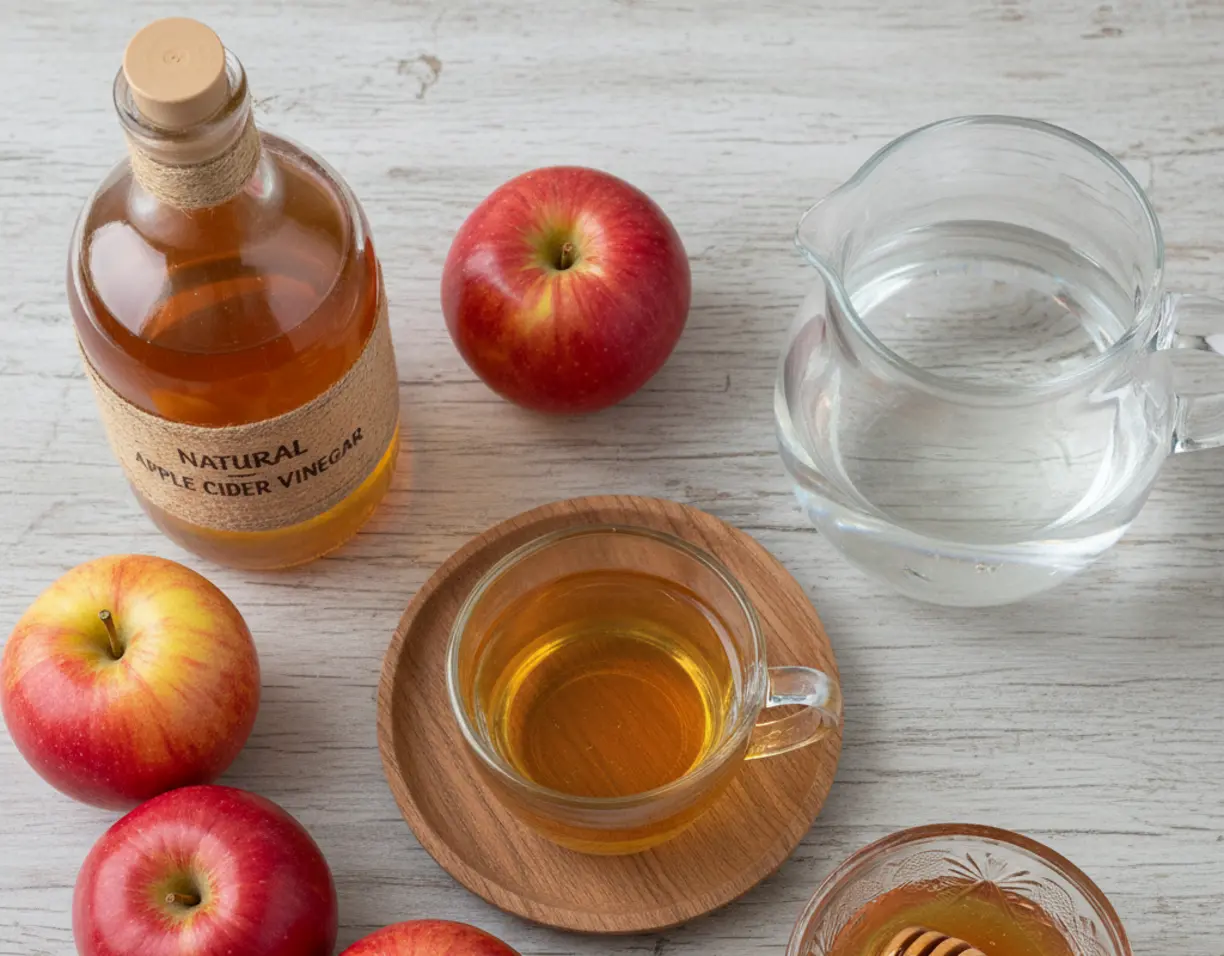
Apple cider vinegar is a true miracle made from ordinary apples. As a chef, I value it not only as a seasoning in salads, but also as a secret ingredient that gives many dishes the finishing touch. But homemade vinegar is in a completely different league than most supermarket products. It’s lively, full of flavor and incredibly affordable and sustainable. You can even make it from scraps such as peels and cores left over after baking an apple strudel.
In this article I will not only show you the basic recipe, but also tell you the crucial professional tricks so that your first apple cider vinegar is guaranteed to be a success. All you need are a few ingredients, clean supplies and a little patience.
The basic recipe: apple cider vinegar step by step
Making vinegar is a two-step fermentation process. First, yeasts convert the sugar into alcohol (alcoholic fermentation), and then acetic acid bacteria convert the alcohol into vinegar (acetic fermentation). That sounds more complicated than it is. Nature does most of the work for you.
Ingredients: Quality is key
The quality of your vinegar depends on the ingredients. You shouldn’t save money here, even if there are only a few.
- 1 kg apples or leftover apples: Aromatic, tart organic apples are ideal because the peel is used and we don’t want any pesticides in the vinegar. Old varieties such as Boskop, Gravensteiner or a mix of different apples from the weekly market produce a particularly complex taste. Only use healthy parts without any rotten parts.
- 2 liters of water: It is best to use still mineral water or tap water that you have previously boiled and cooled back to room temperature. This kills unwanted germs.
- approx. 80-100 g sugar or honey: This is the food for the yeast. Plain table sugar works perfectly. Regional organic honey gives a subtle floral note, but its antibacterial properties can initially slow down fermentation.
Equipment needed: Cleanliness is key
The most important thing during fermentation is an absolutely clean working environment to avoid mold formation. Sterilize your jar and all utensils with boiling water beforehand.
- A large glass jar (approx. 4-5 liters): A wide-mouthed mason or pickle jar is ideal. Glass is important because it does not react with the acid.
- A clean cloth: A tea towel, piece of linen, or cheesecloth large enough to cover the opening.
- A rubber band or string: To attach the cloth.
- A wooden spoon: Metal can react with the acetic acid, so wood or plastic is a better choice.
The preparation: Patience leads to the goal
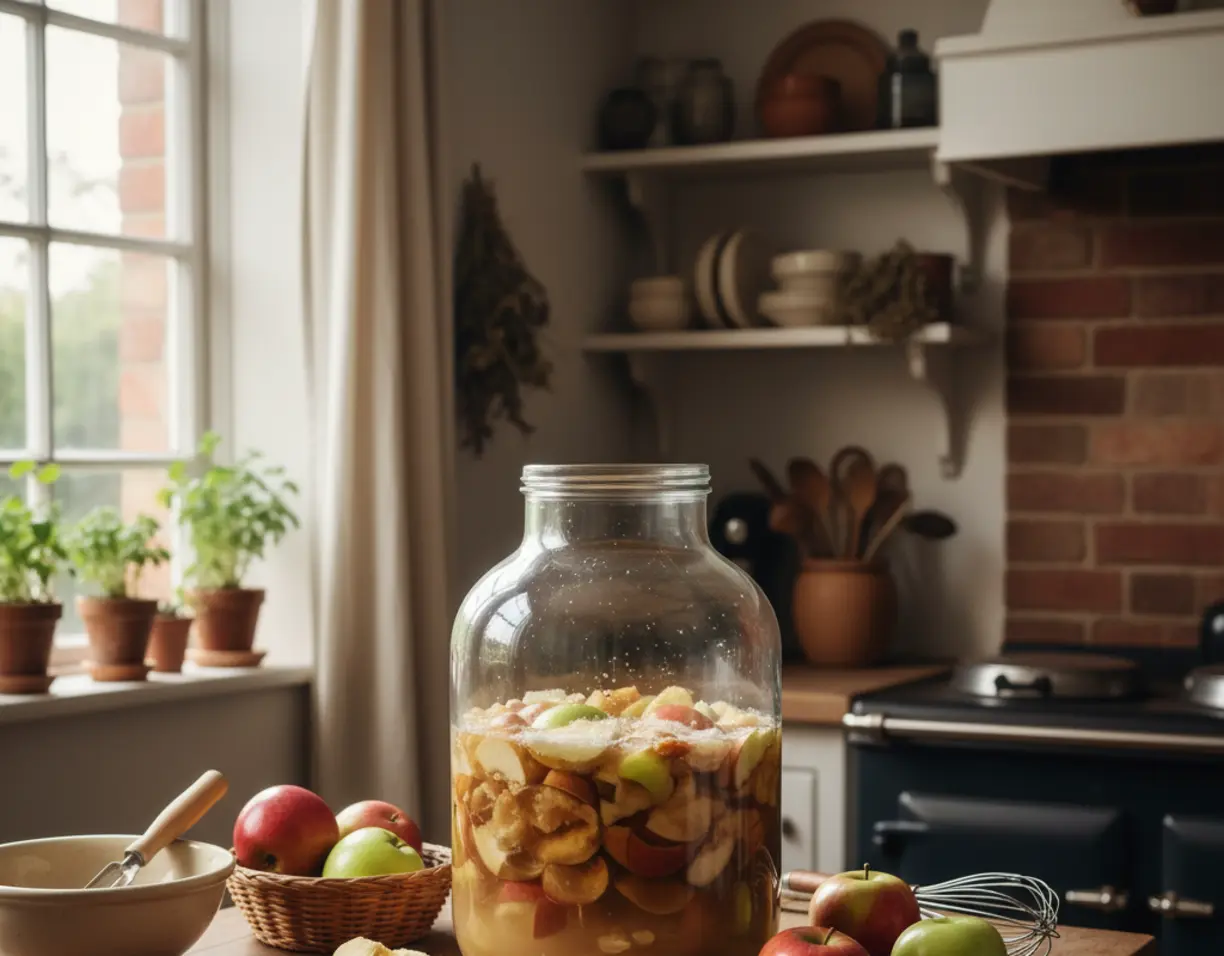
Allow about 3 to 6 weeks for the entire process. Most of it is just waiting.
Phase 1: Alcoholic fermentation (approx. 1-2 weeks)
- Preparation: Wash the apples, quarter them and remove any rotten spots. The core casing can stay in. If you use leftovers, make sure they are fresh.
- Attach: Completely dissolve the sugar or honey in the lukewarm water. Place the apple pieces in the sterilized jar and pour the sugar water over them. The apples must be completely covered with liquid. If they float, you can weigh them down with a small, clean plate.
- Cover and Stir: Cover the glass opening with the cloth and secure it with the elastic band. The cloth lets air in but keeps fruit flies and dust out. Place the jar in a warm place (approx. 20-25°C) without direct sunlight. Pro tip: Stir the mixture vigorously with a wooden spoon every day for the first few days. This brings in oxygen and prevents mold. After a few days you will see small bubbles rising and smell a slightly alcoholic smell – fermentation is underway!
Phase 2: Acetic acid fermentation (approx. 2-4 weeks)
- Strain: When fermentation subsides (no more bubbles), strain the liquid through a fine sieve or cloth into a clean container. You can compost the apple leftovers.
- Tire: Pour the liquid back into the cleaned jar (or a new one), cover it again with the cloth and put it back in its warm place. Now you don’t need to stir anymore.
- The vinegar mother is created: After some time, a gelatinous, cloudy layer forms on the surface. This is the so-called Mother of vinegar – a good sign! It consists of acetic acid bacteria that convert alcohol into vinegar. The smell now changes from alcoholic to sour-fresh.
- Patience and taste test: After another 2-4 weeks the vinegar is usually ready. The best test is tasting. Does it taste strong and pleasantly sour? Then he is perfect. If it’s still too weak, just leave it for another week.
Bottling and storing: Preserving the treasure
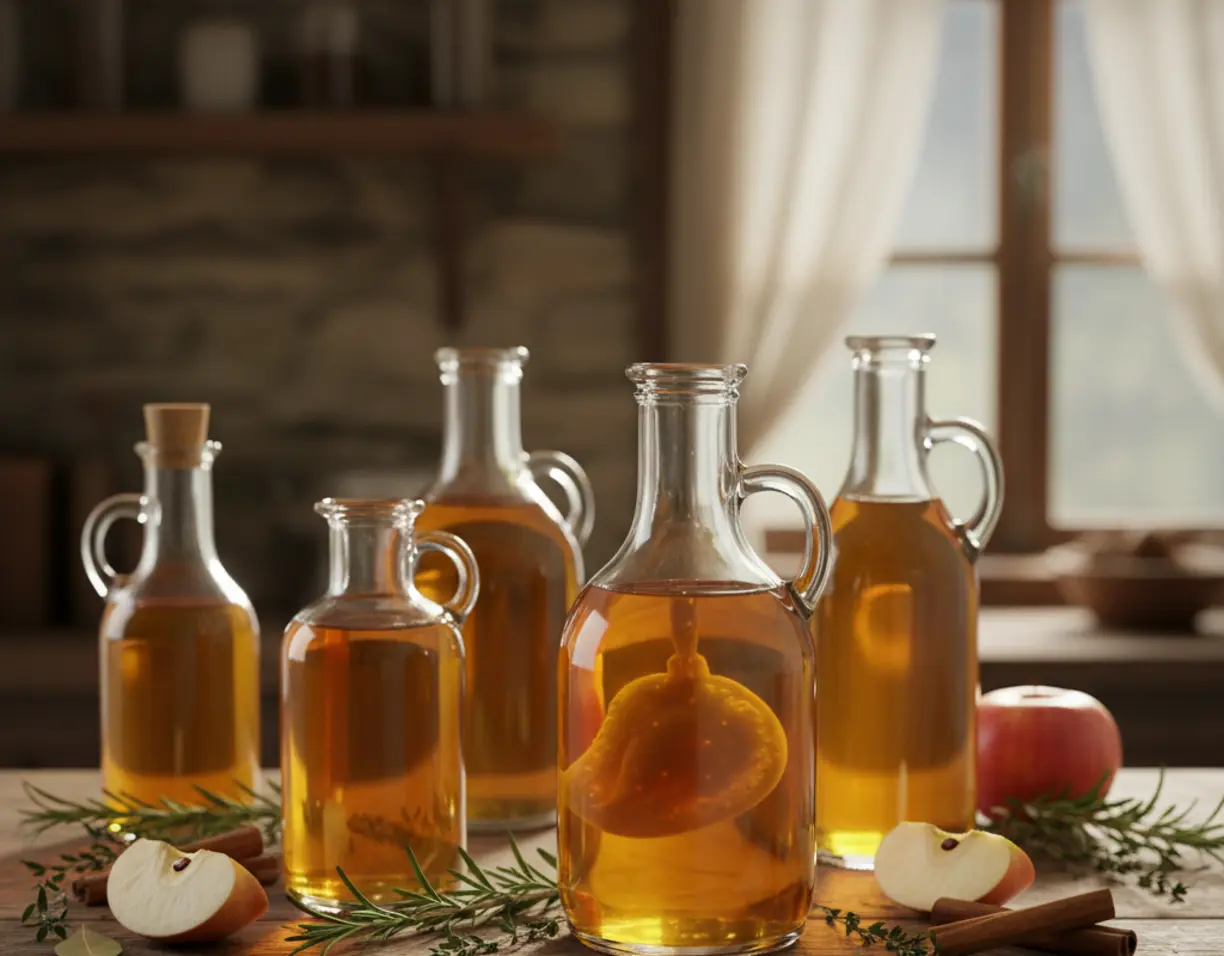
Using a funnel, fill the finished vinegar into clean, preferably dark, glass bottles. You can filter it through a fine cloth beforehand to make it clearer, but this is not necessary. The unfiltered, naturally cloudy vinegar still contains valuable ingredients. You can use the mother of vinegar for your next batch to speed up the process – just add a piece of it to the new glass.
Stored in a cool, dark place, your homemade apple cider vinegar will last virtually indefinitely. Its flavor becomes even more rounded and complex over time.
More than just salad: use apple cider vinegar creatively
The versatility of high-quality apple cider vinegar is impressive. Here are some of my favorite uses as a chef:
- Vinaigrette: The classic application. Mix 1 part apple cider vinegar with 3 parts good olive oil, a little mustard, salt, pepper and a pinch of sugar. Perfect for leafy salads and raw vegetables.
- Marinades: The mild acid makes meat, especially pork or poultry, incredibly tender. Mix it with oil, herbs and garlic.
- Refine sauces: A small dash of vinegar at the end of the cooking time enhances the taste of dark sauces, goulash or lentil dishes. It ensures a balanced acid balance.
- Drinks: A spoonful of apple cider vinegar in a glass of water with a little honey makes a traditional soft drink (known as a “switchel”).
- In the household: Diluted with water (1:1 ratio) it is a fantastic, environmentally friendly limescale remover and all-purpose cleaner for kitchens and bathrooms.
Making your own apple cider vinegar is a worthwhile project that rewards you with a unique and delicious product. It is a piece of traditional cooking that fits perfectly into our modern, sustainable kitchen.