


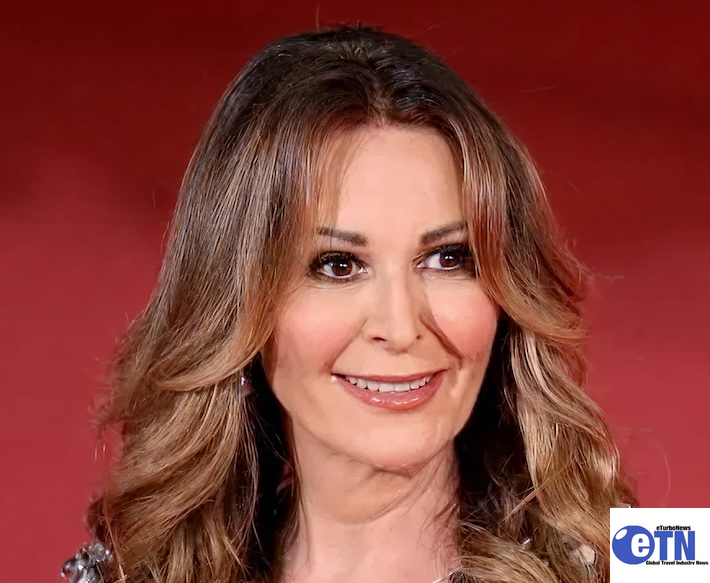
Italy’s tourism sector faces uncertainty as Prime Minister Giorgia Meloni pressures Tourism Minister Daniela Santanchè to resign amid political tensions. The minister resisted but finally gave in and resigned
This raised concerns about leadership stability and its potential impact on Italy’s travel industry, investor confidence, and ongoing tourism recovery efforts.
Italy’s embattled tourism minister has resigned, heeding a call to step down as the prime minister, Giorgia Meloni, strives to restore credibility after a bruising defeat in a referendum that has thrown her far-right government into turmoil.
This followed a growing political rift within Italy’s government has come into focus as Prime Minister Giorgia Meloni publicly praised recent resignations within her administration while signaling that Tourism Minister Daniela Santanchè should consider stepping down as well.
In an official statement, Meloni commended Undersecretary of Justice Andrea Delmastro and Chief of Staff Giusi Bartolozzi for resigning, describing their decision as an act of “institutional sensitivity.” She expressed hope that other officials facing scrutiny would demonstrate similar responsibility.
Mounting Pressure After Political Setback
The Prime Minister’s remarks come in the aftermath of a significant political setback tied to a constitutional referendum, which reportedly weakened the government’s position and intensified internal accountability debates. While Meloni has not directly accused Santanchè of wrongdoing in this statement, her comments are widely interpreted as increasing pressure on the Tourism Minister amid ongoing controversies.
Santanchè, however, first refused to resign, signaling a clear divide within the ruling coalition. Her resistance has turned what might have been a routine cabinet reshuffle into a broader political confrontation. She later gave up and resigned.
Diverging Political Styles and Priorities
Prime Minister Giorgia Meloni, leader of the right wing Brothers of Italy party, is known for its emphasis on national identity, institutional discipline, and strong executive authority. Her political approach often stresses accountability and cohesion within government ranks, particularly during periods of political vulnerability.
Daniela Santanchè, also aligned with the right but known for her outspoken and combative style, has built a reputation as a staunch defender of business interests and Italy’s tourism sector. She has frequently positioned herself as a resilient political figure, willing to confront criticism rather than yield to pressure.
Implications for Italy’s Tourism Sector
Homepage – English
Italy, promotion and tourist tourism
The unfolding situation raises concerns for Italy’s tourism industry, a critical pillar of the national economy. Political instability at the ministerial level could affect policy continuity, international confidence, and strategic initiatives aimed at sustaining post-pandemic recovery.
Industry observers note that while leadership disputes are not uncommon in Italian politics, prolonged uncertainty within the Tourism Ministry could slow decision-making at a crucial time for global travel competition.
A Test of Authority
This standoff may ultimately become a test of Prime Minister Meloni’s authority within her own government. Whether Santanchè chooses to step down—or continues to resist—will likely shape both the administration’s internal dynamics and public perceptions of its stability.
As the situation develops, attention remains focused on whether calls for “institutional sensitivity” will translate into further resignations—or deeper divisions at the highest levels of Italian leadership.