Here are SEO + Google Discover optimized elements for your article:
🔑 Focus keyword
Israel tourism resorts was
📰 Google Discover Meta Headline
Israel Builds New Resorts Despite War and Tourism Collapse
🧾 Meta Description (SEO / AI Discovery)
Israel is advancing new resort and hotel developments despite war, reduced flights, and a tourism collapse. This analysis explores the strategy, geopolitical context, and economic reasoning behind continued investment in tourism infrastructure.
🔗 Permalink
/israel-tourism-resorts-war-investment-strategyIsrael is pushing forward with new resort developments despite war, limited air access, and a collapse in tourism. The move raises critical questions about strategy, investor confidence, and geopolitical signaling, as the country prepares for a post-conflict recovery while navigating one of its most challenging periods.
At a time when Israel faces war, diplomatic strain, and a near standstill in international air traffic, the country is doing something that has caught the global travel industry off guard:
It is building new resorts.
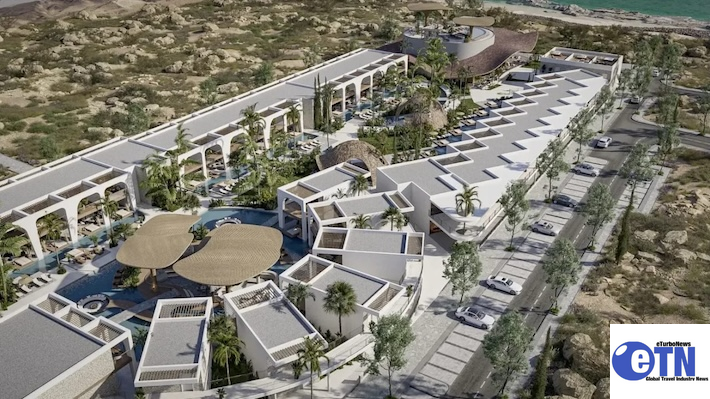
From luxury beachfront developments to boutique urban hotels, Israel is advancing multiple tourism projects—even as airlines cut routes, visitor numbers plummet, and much of the hospitality sector operates under crisis conditions.The contradiction is striking. But it’s not accidental.
A Tourism Sector on Pause
Since the escalation of conflict following October 7, Israel’s inbound tourism has effectively collapsed. Airlines have suspended or reduced service, insurance costs have increased, and travelers have chosen safer alternatives.
Hotels, once filled with international guests, have been repurposed to house evacuees and displaced residents. For a country where tourism contributes significantly to GDP and global visibility, the downturn is not just economic—it is reputational.
Yet, Israel Is Doubling Down on Tourism
Despite this, Israel is moving forward with:
- New resort developments in Tel Aviv, Jerusalem, Herzliya, and the Dead Sea
- Government-backed tourism infrastructure funding
- Private sector investments targeting the luxury and high-end travel segment
According to a recent report in the Jerusalem PostIsrael is not slowing development—in fact, it is accelerating long-term tourism planning even during wartime.
Why Now? The Real Strategy Behind the Timing
From an industry perspective, this is not as irrational as it appears. It reflects a calculated, multi-layered strategy.
1. Building for the “Day After.”
Tourism infrastructure cannot be switched on overnight.
Hotels take years to develop, and Israel is betting that when stability returns, global demand—especially for religious and heritage travel—will rebound quickly. By continuing construction now, Israel aims to avoid being unprepared when that moment comes.
2. Sending a Message to Investors
Holding projects would signal uncertainty. Continuing them sends the opposite message:
Israel is still open for business.
For international hotel brands and investors, this matters. Long-term confidence is often shaped more by continuity than by short-term stability.

Worth the Wait: Revolutionary New Resorts Set to Redefine Israeli Hospitality | ITN – Israel Travel News
Worth the Wait: Revolutionary New Resorts Set to Redefine Israeli Hospitality
3. Economic Survival Through Continuity
Stopping construction mid-project can be more costly than continuing.
Maintaining development:
- Preserve jobs
- Keeps capital flowing
- Prevents long-term financial losses
In this sense, resort construction is not just about tourism—it is about economic resilience.
4. Tourism as Soft Power
Tourism is deeply tied to geopolitics.
By promoting future resorts and travel opportunities, Israel is projecting an image of:
- Stability
- Normalcy
- Long-term viability
This is particularly relevant at a time when the country faces growing international scrutiny and diplomatic pressure.
5. Preparing for Regional Competition
The Middle East is one of the fastest-growing tourism regions globally.
Countries like Saudi Arabia and the UAE are investing heavily in tourism megaprojects. If Israel pauses development, it risks falling behind in a competitive landscape that does not wait.
A high-stakes gamble
Still, the risks are significant:
- Prolonged conflict could delay tourism recovery for years
- Airline capacity may remain limited
- Traveler perception may shift more slowly than expected
Unlike previous crises, the current geopolitical environment is more complex and globally scrutinized.
Industry Perspective: Strategic or Premature?
For the global travel industry, Israel’s approach raises a key question:
Is this forward-thinking resilience—or overconfidence? Historically, Israel’s tourism sector has shown an ability to rebound quickly after crises. But past performance may not fully predict the future in today’s geopolitical climate.
Conclusion: Building for a Future That Has Not Yet Arrived
Israel’s resort expansion during wartime is not a contradiction—it is a strategy.
It reflects a belief that:
- The crisis is temporary
- Tourism wants returns
- Infrastructure must be ready before demand rebounds
Whether that belief proves correct will depend on factors far beyond tourism—geopolitics, security, and global perception.
For now, one thing is clear:
While tourists are staying away, Israel is building for their return.