


DUBAI — On a recent Friday evening, the fountains beneath the Burj Khalifa still danced to music. Tourists still photograph the skyline. Ferraris still idled outside luxury hotels.
But inside Dubai Mall — long a symbol of the Gulf’s confidence and excess — something felt unfamiliar. Space.
The crowds had thinned. Luxury boutiques that once relied on streams of Russian, Chinese, European, and Saudi shoppers stood quieter than usual. Restaurant hostesses waited outside half-filled dining rooms. Real estate agents whispered about canceled deals and rising vacancies in towers that only months ago had waiting lists.
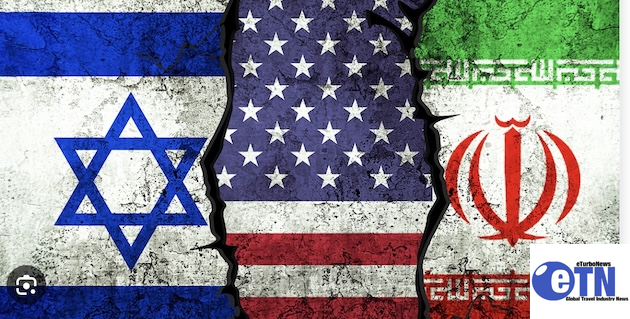
The Iran was initiated by Israel and escalated by the United States has not brought economic collapse to the Gulf. But it has introduced something potentially more dangerous: Doubt !
Across the Middle East’s tourism and aviation economy, a region built on the idea of permanence and stability, is confronting the reality that geopolitical conflict can travel faster than missiles. Sometimes it arrives through airline cancellations, silent shopping corridors, empty apartments, and nervous expatriates booking one-way flights out.
For decades, Gulf states marketed themselves as insulated from the turmoil surrounding them — islands of luxury and efficiency in a volatile region.
Now the instability is close enough to feel personal.
The First Industry to Panic Was Aviation
The shock hit aviation immediately.
Within hours of the first major escalation, airlines began rerouting flights around restricted airspace. Insurance costs increased. Aircraft schedules collapsed into logistical chaos.
The Middle East is not simply another travel market. It is one of the central crossroads of global aviation, linking Europe, Asia, and Africa through hubs like Dubai, Doha, and Abu Dhabi.
When conflict disrupts Gulf airspace, the effects ripple worldwide.
Passenger traffic through Dubai International Airport fell sharply during the early phase of the war, according to aviation analysts. Flights that once crossed the Gulf directly suddenly required expensive detours.
Travelers began postponing decisions overall.
Executives at regional airlines say the psychology of travel changed almost overnight. Instead of booking holidays months in advance, customers began waiting until the last possible moment, monitoring headlines and social media before confirming plans.
“What we are seeing,” one Gulf aviation executive said privately, “is hesitation.”
In tourism, hesitation spreads quickly.
A City Built by Foreigners Watches Them Leave
Dubai’s modern economy depends overwhelmingly on expatriates.
The city was constructed — literally and economically — by foreign labor, foreign investment, and foreign confidence. Consultants, engineers, bankers, pilots, retail workers, influencers, chefs, and hotel staff from every continent helped transform a desert trading port into a global tourism capital.
Now, many are quietly leaving.
Recruiters and relocation consultants across the United Arab Emirates report a steady increase in foreign professionals moving their families abroad temporarily or delaying relocations to the region. Multinational companies have quietly transferred some employees to Europe or Asia. Wealthy residents have diversified assets overseas.
In neighborhoods filled with short-term rentals and luxury apartments, residents describe darker towers at night and increasing vacancy notices.
The change is subtle, but visible. In Dubai Marina and parts of Downtown Dubai, brokers say rental inquiries from foreign tenants have weakened noticeably since the conflict intensified.
The concern is not merely physical safety. It is unpredictability.
“The Gulf always sold certainty,” said one regional economist. “People came because everything worked. Flights worked. Business worked. Growth worked. The war interrupted that narrative.”
Empty Space Inside the World’s Luxury Capital
The symbolism of quieter malls has unsettled many residents more than official economic statistics.
Dubai Mall was never simply a shopping center. It was part theater, part global showcase — a monument to consumer confidence.
Now, luxury retailers speak cautiously about declining traffic and reduced spending.
Some stores shortened operating hours during periods of increased tension. Others quietly reduced staffing.Social media amplified the shift.
Videos showing unusually calm scenes inside luxury shopping districts circulated widely on TikTok, Instagram, and X. Influencers continued posting rooftop pools and designer shopping bags, but beneath the polished images, comment sections filled with questions:
“Is it safe?”
“Would you still go?”
“Are tourists leaving?”
Online, the Gulf became trapped between two competing narratives. One persisted life remained normal. The other suggested normality itself had become fragile.

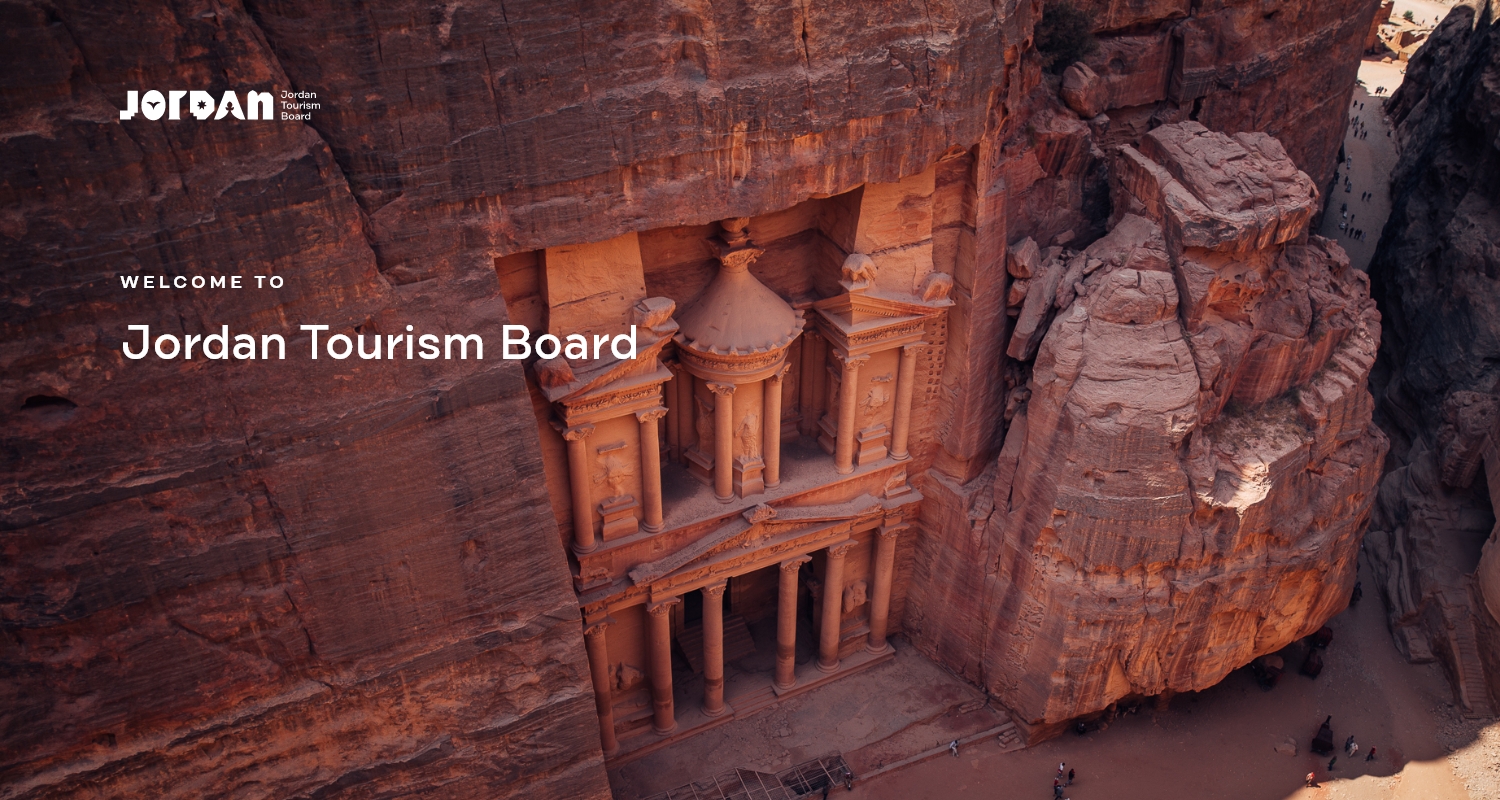
Visit Jordan
The Official Website of The Jordan Tourism Board
Jordan and Egypt, outside the conflict, suffer due to the perception
The economic consequences extend far beyond the Gulf.
Jordan and Egypt — two countries whose tourism industries have long depended on cultural heritage, Red Sea resorts, and regional stability — are increasingly becoming collateral damage in a conflict they are not part of. Tourism officials and hotel operators in both countries say international travelers often view the Middle East as a single destination rather than as separate markets, leading to cancellations across the region whenever tensions rise in the Gulf or Israel. In Petra, Aqaba, Sharm el-Sheik, and along the Nile, tourism businesses report frustrated stakeholders watching safe destinations suffer because travelers associate headlines about Iran, Israel, or the UAE with the entire region.
“We are open, safe, and ready for visitors,” one Jordanian tourism executive said, “but perception abroad does not distinguish geography.”
Israel Tourism relies on Pilgrimage Travel Only
Israeli tourism remains deeply depressed, while pilgrimage travel across parts of the region faces new political and logistical pressures.
Cruise operators
Cruise operators have also reconsidered Gulf itineraries. Several companies shifted ships towards Mediterranean routes rather than risk disruptions near the Strait of Hormuz, one of the world’s most strategically sensitive waterways.
For Gulf ports that invested billions in becoming winter cruise hubs, the conflict has interrupted years of momentum.
The Crisis of Perception
The Gulf’s tourism economy has always depended as much on perception as infrastructure.
- The airports are still functioning.
- Hotels remain open.
- Restaurants are serving customers.
- Construction cranes still move across the skyline.
But tourism is emotional before it is rational.
Travelers react not only to danger, but to the possibility of danger. A region associated with uncertainty immediately becomes harder to sell.
And unlike oil or finance, tourism confidence can evaporate quickly.
One luxury hotel executive in Dubai described the current atmosphere as “a city holding its breath.”
Social Media Becomes the New Travel Advisory
Increasingly, travelers trust social media more than governments.
On Reddit forums, travelers debate whether Gulf cities remain safer than major Western capitals. Some dismiss international media coverage as exaggerated. Others describe canceling stopovers or moving family members abroad.
Travel influencers continue promoting Gulf luxury experiences, although many now avoid discussing the conflict directly.
The result is a fragmented information environment in which perceptions change hourly. That volatility itself has become part of the problem.
What Happens Next?
Much now depends on duration.
The Gulf has historically recovered quickly from crises. Regional leaders are betting that tourism demand will rebound once the conflict stabilizes and travelers regain confidence.
Some signs of resilience remain visible. High-end hotels continue attracting wealthy visitors. Business travel has not disappeared. Airlines are slowly rebuilding schedules.
But economists warned that prolonged instability could trigger more serious structural damage: