




Outside: Apple – until you touch the devices
The counterfeits imitate the external design of Apple products in a deceptively realistic manner, but that’s about it in terms of similarities. The choice of materials already shows noticeable differences, but the big compromises come in functionality and workmanship. In addition, there are poor soldering joints, missing sensors, unidentifiable batteries and components that are only intended to simulate value – such as steel weights in the AirPods Max copies. Unmarked lithium batteries are particularly problematic because neither capacity nor certification can be traced. iFixit therefore advises that such batteries should generally be viewed as potentially unsafe.

Functions of the originals? None
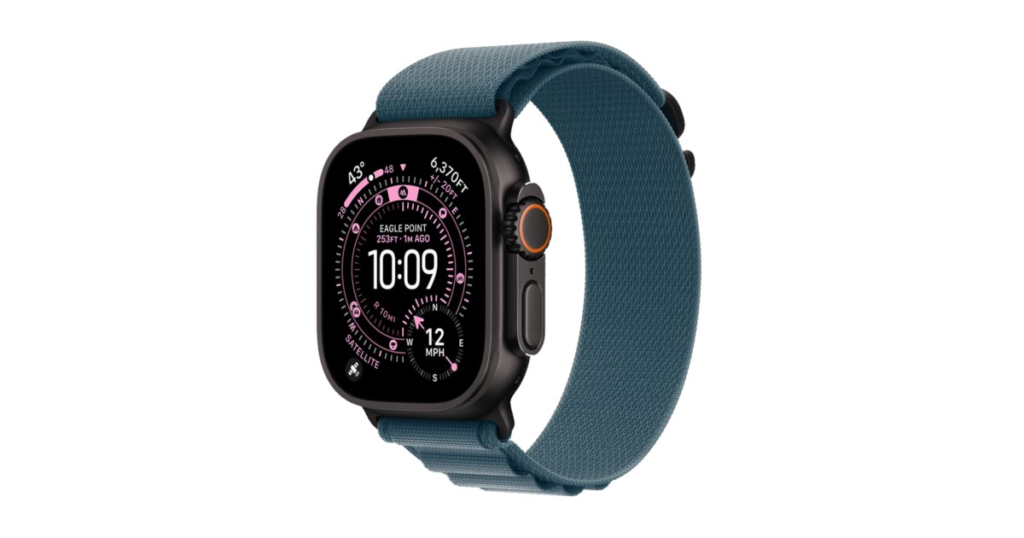
When using the fake Apple Watch Ultra 3, iFixit noticed that watchOS hardly imitated more than the interface. Tapping apps did not trigger the respective function, but only activated a red-colored night mode. Inside, iFixit found a 260 mAh battery that was loose in the case and soldered directly to the circuit board. Even with the fake AirPods Max 2, the similarities with the original quickly disappeared. Instead of aluminum, the copy uses plastic; functions such as active noise cancellation and transparency mode are completely missing. The closest thing to the original was the fake AirPods Pro 3, although that also only refers to the exterior and not the cheap interior.
Great care not to attract attention when trying things out quickly
The most exciting finding is not that counterfeits are worse than the originals – everyone should have already been aware of that. What remains interesting is how specifically they now imitate exactly those points that generate trust when you try them out quickly, including housing shape, pairing animations, weight, magnetic attachments and even apparent sensor surfaces. Only when used and disassembled does it become apparent that many of these details are purely backdrops.