As global hotel giant Marriott expands across the Hawaiian Islands, residents, policymakers, and economists are asking a difficult question: how much of the wealth generated in paradise actually stays in Hawaiʻi?
A New Flag in Kapalua — and a Familiar Brand
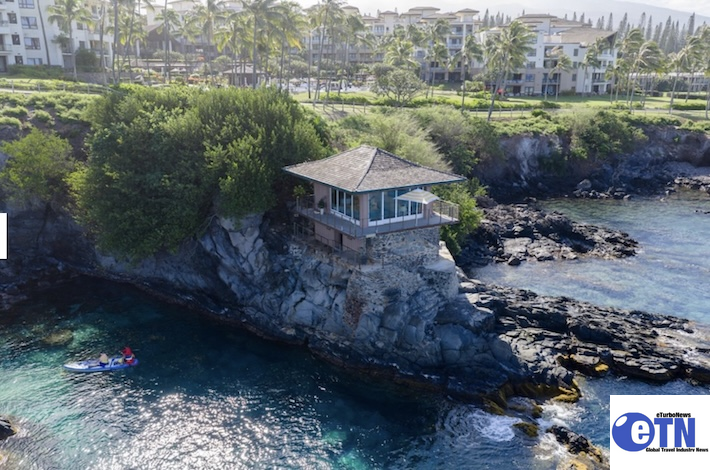
On Maui’s northwest coast, the turquoise waters of Kapalua Bay frame one of Hawaiʻi’s most exclusive resort enclaves. The property known as The Resort at Kapalua Bay, currently operating under the Montage brand, will soon undergo a major transformation. Under a newly announced agreement, the resort is joining the Marriott system and is scheduled to reopen as The St. Regis Kapalua Bay in 2027.
The deal reflects a pattern that has quietly reshaped Hawaiʻi’s tourism landscape for decades: global hospitality companies expanding their brand footprints across the islands.
But while such announcements are often framed as luxury upgrades and tourism investments, they also raise a deeper economic question that resonates far beyond the beachfront villas of Kapalua: who ultimately profits from Hawaiʻi’s tourism economy?
With tens of thousands of hotel rooms across the islands and a dominant presence in the loyalty-driven global travel market, Marriott International has emerged as one of the most influential players in Hawaiʻi’s hospitality sector.
For many residents facing soaring housing costs, limited land for development, and an economy heavily dependent on visitors, the growth of global hotel operators prompts scrutiny:
- Does Marriott’s expansion concentrate market power in Hawaiʻi’s hotel sector?
- How much of the revenue generated by Hawaiʻi hotels actually stays in the state?
- And how much ultimately flows back to corporate headquarters in the continental United States?
The answers reveal a complex tourism economy where billions of dollars circulate each year—yet much of the wealth leaves the islands before it reaches local communities.
Hawaiʻi’s Tourism Economy: Big Money, Big Pressure

Hawaii Travel Information | Official Hawaiian Islands Vacation Guide | Go Hawaii
Discover the beauty, culture and adventures waiting for you on the Hawaiian Islands. Find Hawaii travel information and plan your perfect vacation.
Tourism is the backbone of Hawaiʻi’s economy. Before the pandemic, nearly 10 million visitors arrived annually. Tourism supports roughly one in five jobs statewide and generates billions of dollars in spending.
Even today, the industry continues to dominate the state’s economic landscape.
According to the Hawaii Tourism Authority, visitor spending regularly exceeds $17 billion annually, producing more than $2 billion in tax revenue for the state.
Those revenues fund:
- schools
- infrastructure
- environmental protection
- public safety programs
Yet tourism’s economic success has also contributed to Hawaiʻi becoming one of the most expensive places to live in the United States.
The median home price statewide has approached $950,000, while rents remain among the highest in the country.
Local critics argue that tourism-driven development—especially hotel construction and vacation rentals—has limited land availability for residential housing.
In communities across Maui, Kauaʻi, and Oʻahu, residents increasingly question whether the benefits of tourism are fairly distributed.
Marriott’s Expanding Presence in the Islands
Few companies illustrate Hawaiʻi’s tourism dominance more clearly than Marriott.
Headquartered in Bethesda, Maryland, near Washington, DC, Marriott is the world’s largest hotel company, operating or franchising more than 8,800 properties across over 30 brands globally.
In Hawaiʻi, Marriott’s reach spans the entire spectrum of hospitality:
Luxury brands
- St. Regis
- Ritz-Carlton
- Luxury Collection
Premium brands
Upscale brands
- Marriott Hotels
- Renaissance
Vacation ownership
Altogether, Marriott operates dozens of properties across the Hawaiian Islands, including some of the most recognizable resorts in the state.
Major properties include:
- Waikiki Beach Marriott Resort & Spa
- Sheraton Waikiki
- The Ritz-Carlton Kapalua
- The Westin Maui Resort & Spa Kaanapali
Across Hawaiʻi’s islands, Marriott-branded hotels represent a significant share of high-end visitor accommodations. However, most of these hotels are not actually owned by Marriott.
The “Asset-Light” Strategy
To understand where tourism money flows, it is essential to understand how modern hotel corporations operate. Marriott follows what industry analysts call an “asset-light” business model.
Rather than owning hotel buildings and land, the company typically:
- Manages hotels for owners
- Licenses its brand to franchise operators
- Operates reservation and loyalty platforms
Under this structure, the physical hotel property may be owned by:
- investment firms
- real estate funds
- pension funds
- private equity investors
- local land trusts
Marriott earns money through fees tied to hotel revenue and profit, including:
- franchise royalties
- management fees
- marketing and reservation system fees
- loyalty program contributions
These fees are typically calculated as percentages of hotel revenue.
For example, franchise agreements often include:
- 5% royalty on room revenue
- additional marketing contributions
- reservation system fees
Management contracts may also include profit-based incentive fees.
The result is a revenue stream that flows from hotels worldwide back to Marriott’s corporate structure.
In other words, Marriott does not need to own the building to profit from the guest staying in it.
Where the Money Goes
When a visitor books a hotel room in Hawaiʻi, the nightly rate covers many different cost layers.
A simplified breakdown of a luxury resort room rate might look like this:
Guest nightly rate: $800
Typical distribution:
• Payroll and operations: 35–45%
• Property costs and maintenance: 15–20%
• Owner profit or debt service: 10–20%
• Brand fees and loyalty systems: 5–10%
• Taxes and government fees: 15–20%
Only a portion of the revenue stays locally.
Local spending includes:
- wages for hotel workers
- food and supply purchases
- utility payments
- property taxes
- local services
But brand fees and reservation platform payments flow outside the state, typically to corporate headquarters or centralized marketing funds.
Hawaiʻi’s Hotel Tax System
Visitors staying in Hawaiʻi hotels pay multiple taxes.
The primary tax is the Transient Accommodations Tax (TAT). Hawaii Department of Taxation oversees the system.
The tax structure includes:
State TAT: 11% of nightly room rate,
General Excise Tax : 4% statewide
County surcharge Up to 0.5%
County lodging tax Up to 3%
Combined taxes can push the total tax burden on a hotel room close to 18% of the nightly rate. In fiscal year 2024, the state collected over $760 million in TAT revenue alone.
These taxes fund:
- environmental protection
- public education
- disaster recovery
- infrastructure maintenance
Even so, many residents argue the tourism industry’s growth has not translated into improved affordability for local families.
Land Ownership in Hawaiʻi’s Hotel Sector
Another factor shaping tourism economics is land ownership.
Many Hawaiʻi hotels operate on land leased from trusts or large estates.
Notable landowners include:
- Hawaiian royal trusts
- private estates
- government agencies
- Hawaiian Home Lands
For example, the land beneath the Waikiki Beach Marriott Resort is owned by the Liliʻuokalani Trust, named for Hawaiʻi’s last reigning monarch.
Such arrangements mean that hotel revenues may be split between:
- property owners
- hotel operators
- brand managers
- investors
Each layer receives a share of the income generated by tourism.
The Housing Debate
Tourism development intersects with another major issue: Hawaiʻi’s housing crisis.
The state has limited land suitable for development, particularly on smaller islands like Maui and Kauaʻi. When land is zoned for hotels or vacation rentals, it is typically unavailable for residential housing.
Critics argue that tourism-driven real estate demand has pushed property values beyond the reach of many residents. Supporters of the industry counter that tourism also provides thousands of jobs and funds public services through tax revenue.
The debate intensified after the 2023 Maui Wildfires, which destroyed large portions of Lahaina and displaced thousands of residents.
The disaster forced the state to confront difficult questions about housing availability and land use in tourism zones.
Is Marriott a Monopoly in Hawaiʻi?
Despite its significant presence, Marriott does not legally control Hawaiʻi’s hotel industry. The islands remain home to numerous competing hotel operators.
Major competitors include:
- Hilton Worldwide
- Hyatt Hotels Corporation
- Outrigger Hospitality Group
However, Marriott’s scale gives it considerable influence.
Its global loyalty program, Marriott Bonvoy, has more than 200 million members worldwide. Those members often choose hotels based on loyalty points and benefits, giving Marriott enormous leverage in directing travel demand.
For destinations like Hawaiʻi, where brand recognition strongly influences booking decisions, this network effect can shape the competitive landscape.
The Globalization of Paradise
Hawaiʻi’s tourism industry reflects broader trends in global hospitality. Across the world, hotel companies increasingly separate three functions:
- Property ownership
- Hotel operations
- Brand and marketing systems
Large corporations focus primarily on the third category. This allows companies like Marriott to scale globally without owning thousands of buildings.
For Hawaiʻi, the result is a tourism economy deeply integrated into global corporate networks.
Hotel guests may stay in a building owned by an investment firm, operating on land leased from a trust, managed by Marriott, booked through a reservation platform headquartered thousands of miles away.
Each layer extracts value from the visitor experience.
The Kapalua Case Study
The planned St. Regis Kapalua Bay conversion illustrates how the system works. The property itself will continue to be owned by private investors.
Marriott will provide:
- brand identity
- reservation system
- loyalty program
- operational oversight
The St. Regis brand commands some of the highest room rates in the industry. Luxury upgrades and brand positioning could significantly increase nightly prices.
Higher room rates benefit:
- property owners
- management companies
- brand operators
But critics question whether local communities will see proportional benefits.
Tourism’s Uneven Impact
Economists describe tourism as a “leaky” industry. Money enters the destination economy through visitor spending.
But a portion leaks out through:
- imported goods
- external ownership
- corporate management fees
- airline and booking platforms
The greater the outside ownership, the higher the leakage rate.
In Hawaiʻi’s case, the tourism economy generates enormous wealth.
Yet many residents feel disconnected from the profits generated by the industry.
A State Searching for Balance
Hawaiʻi’s policymakers now face a delicate balancing act. Tourism provides essential economic stability. But overdependence on the industry creates vulnerabilities.
State leaders have increasingly discussed strategies to diversify the economy, including:
- renewable energy
- technology
- agriculture
- education
At the same time, tourism reform proposals have included:
- limits on vacation rentals
- higher hotel taxes
- sustainability initiatives
- visitor caps in fragile ecosystems
These measures aim to ensure tourism remains economically beneficial without overwhelming the islands’ natural resources or local communities.
The Future of Hawaiʻi’s Tourism Economy
For Marriott and other global hotel companies, Hawaiʻi remains one of the world’s most desirable destinations. Demand for luxury travel to the islands remains strong.
The opening of new high-end properties, such as the upcoming St. Regis Kapalua Bay, reflects continued confidence in Hawaiʻi’s tourism market. But the conversation around tourism is changing.
Residents, economists, and policymakers are increasingly examining not just how many visitors arrive, but who benefits from their spending.
The question is no longer simply whether tourism drives Hawaiʻi’s economy.
It is whether the wealth generated by tourism is distributed in a way that sustains the communities that make Hawaiʻi such a unique destination.
For now, the answer remains complicated. Paradise continues to attract millions of visitors—and billions of dollars.
But as the global hospitality industry expands its presence in the islands, the debate over who truly profits from paradise is likely to grow louder.