



As medical tourism surges globally, organizations like the World Travel & Tourism Council and the World Tourism Network are shaping policy and access, while initiatives such as Ageless Tourism and Healing Hotels of the World redefine health travel through longevity, wellness, and holistic healing experiences.
A Different Kind of Journey
At a private clinic on the outskirts of Istanbul, a German patient recovering from dental surgery sips herbal tea while gazing out at the Bosphorus. Thousands of miles away in Costa Rica, a Canadian executive attends a guided meditation session after a preventive health screening. In southern India, a retired American couple undergoes a weeks-long Ayurvedic detox program.
These journeys—part medical, part experiential—are no longer unusual. They are part of a sweeping transformation in how healthcare is accessed, delivered, and even understood.
Medical tourism, once associated with elite patients traveling abroad for specialized procedures, has become a defining feature of globalization. It now sits at the intersection of healthcare, hospitality, technology, and demographics, evolving into what analysts describe as a multi-hundred-trillion-dollar global industry.
But as the sector expands, so does its complexity. It is no longer just about surgery abroad. It’s about healing ecosystemsaging populations, holistic well-being, and the redefinition of what it means to be a “patient” in a borderless world.
From Pilgrimage to Platform Economy
The roots of health-related travel stretch back millennia. Ancient Greeks journeyed to temples of Asclepius; Romans traveled to thermal baths; European elites of the 18th century flocked to spa towns for restorative cures.
Yet today’s medical tourism is fundamentally different.
It is shaped not only by tradition but by economic pressure and technological possibility. Healthcare costs in developed countries have surged. Waiting times in public systems have lengthened. At the same time, emerging economies have invested heavily in world-class hospitals, often staffed by internationally trained doctors.
The result is a reversal of historical patterns: instead of patients traveling from poorer to richer nations, millions now travel in the opposite direction—seeking affordability, access, and, increasingly, a different kind of care overall.
The Expanding Definition of “Medical”
To understand the modern landscape, one must first understand that “medical tourism” has outgrown its name. It encompasses at least four overlapping domains:
1. Clinical or “Hardcore” Medical Tourism
High-stakes procedures—cardiac surgery, oncology, orthopedics—are performed in accredited hospitals.
2. Elective Medical Travel
Cosmetic surgery, dentistry, and fertility treatments—planned interventions often driven by cost and convenience.
3. Wellness tourism
Preventive and lifestyle-oriented travel aimed at stress reduction, longevity, and overall well-being. This includes yoga, meditation, nutrition, and fitness programs.
4. Holistic and Transformational Travel
A rapidly growing segment that seeks not just treatment, but personal transformation—addressing mental, emotional, and spiritual health alongside physical care. It is in this last category that some of the most profound shifts are occurring.
The Rise of Holistic Healing Ecosystems

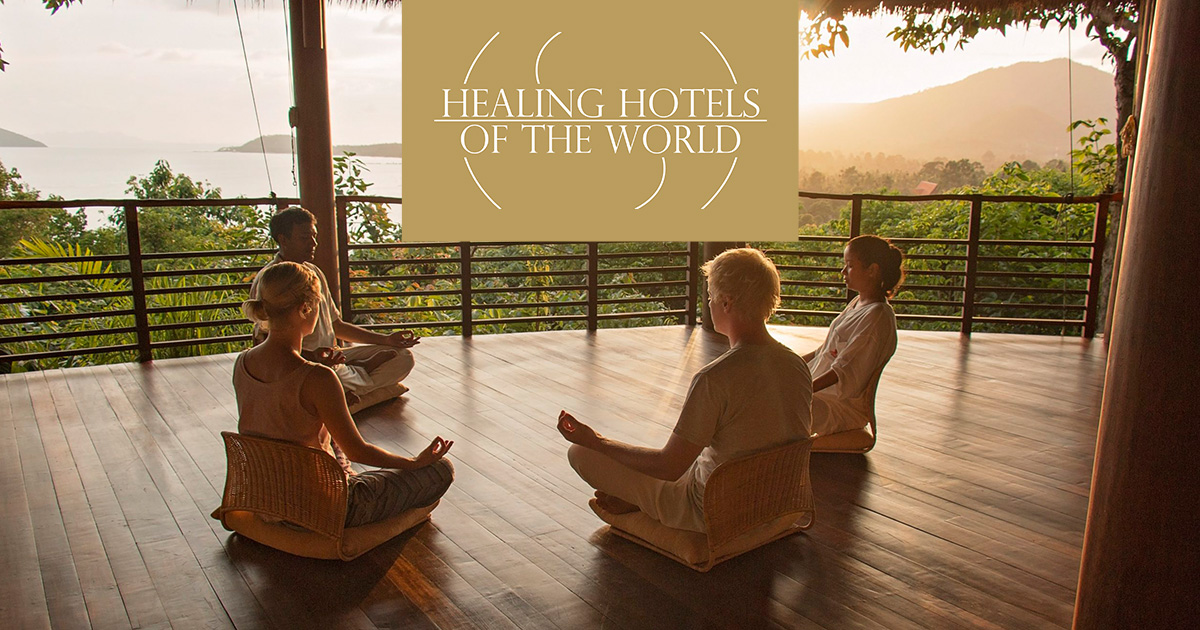
Front page
Experience holistic wellbeing at our Healing Hotels. Rely on expert health programs to support you on your healing journey.
Across continents, a new model of health travel is emerging—one that blends medicine with lifestyle, environment, and personal meaning.
Organizations like Healing Hotels of the World have positioned themselves at the forefront of this movement. Founded in the mid-2000s, the network now spans more than 100 hotels across more than 40 countrieseach offering structured programs designed to address not only physical ailments but also emotional and spiritual well-being. Healing Hotels of the World is a member of the World Tourism Network.
Their philosophy reflects a broader shift in consumer expectations: healing is no longer seen as a discrete medical event, but as a continuous journey.
Guests are guided through personalized programs that may include:
- Nutritional therapy
- Meditation and mindfulness
- Movement practices such as yoga or Qi Gong
- Lifestyle coaching and behavioral change
The goal, according to the organization, is to help individuals become “whole again in body, mind, and soul.”
This approach marks a departure from traditional spa tourism. It’s not simply about relaxation; it’s about structured transformation—what someone in the industry calls “travel to heal.”
Aging Travelers and the Birth of “Ageless Tourism”
At the same time, demographic forces are reshaping demand.

Ageless Tourism Program
Discover Ageless Tourism Ageless Tourism is a pioneering initiative designed to motivate, educate, and collaborate within the tourism industry to better attract, serve, and retain the business of travelers aged 60 and older. The Ageless Tourism Mission The Mission of Ageless Tourism is to guide tourism-related businesses to accurately access the needs and psychographics of…
The global population is aging rapidly, and with it, a new class of traveler is emerging—older, wealthier, and more health-conscious than previous generations.
Initiatives like Ageless Tourism aim to help the industry adapt to this shift. The organization focuses on travelers aged 60 and above, a demographic that already accounts for a disproportionate share of travel spending and is expected to grow dramatically in the coming decades.
Unlike earlier generations, today’s older travelers are not simply seeking rest. They are seeking:
- Preventive healthcare
- Longevity programs
- Meaningful, experience-driven travel
They are also more likely to combine medical needs with lifestyle aspirations—a hip replacement followed by a rehabilitation retreat, or a diagnostic check-up paired with a wellness holiday.
This convergence is redefining both tourism and healthcare.
The Economics Behind the Boom
The growth of medical tourism is driven by a convergence of powerful economic forces.
Cost Disparities
Healthcare prices vary dramatically across countries. A procedure that is prohibitively expensive in one country may be affordable elsewhere—even after travel costs.
Access and availability
Long waiting lists and limited access to specialized treatments push patients to seek alternatives abroad.
Consumer empowerment
Digital platforms allow patients to compare providers, read reviews, and make informed decisions.
Global Mobility
Improved air connectivity and visa facilitation make international travel more accessible.
Aging Populations
Older individuals require more frequent and complex care, driving demand for both medical and wellness services.
Together, these factors have created a global marketplace in which healthcare is increasingly portable.
Destinations Competing for Patients
Countries are no longer just competing for tourists; they are competing for patients.
- Thailand has built a reputation for combining high-quality care with hospitality. India has become a leader in cost-effective complex procedures. Turkey has positioned itself as a hub for cosmetic and dental treatments.
- Meanwhile, destinations such as the United Arab Emirates are investing in advanced technologies and luxury healthcare facilities to attract high-net-worth individuals.
- Europe, with its long tradition of spa and rehabilitation tourism, continues to dominate in wellness and recovery-focused travel.
Each destination offers a different value proposition—but all are part of the same global competition.

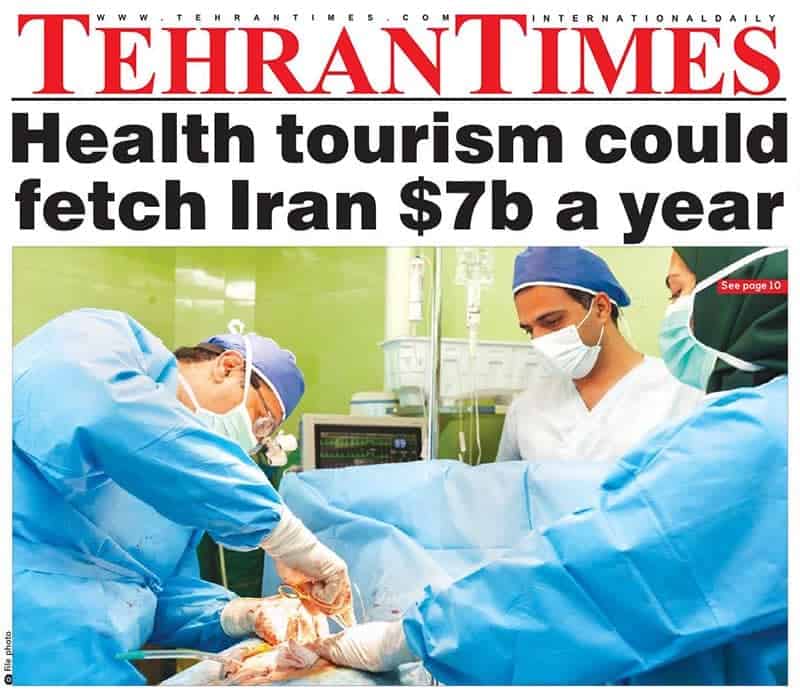
The Role of Global Industry Leadership
The expansion of medical tourism is closely tied to the broader travel industry.
World Travel & Tourism Council
The World Travel & Tourism Council (WTTC) represents the Travel & Tourism sector globally.
The World Travel & Tourism Council, which represents the world’s largest travel and tourism companies, has played a significant role in shaping the environment in which medical tourism operates.
By advocating for: