


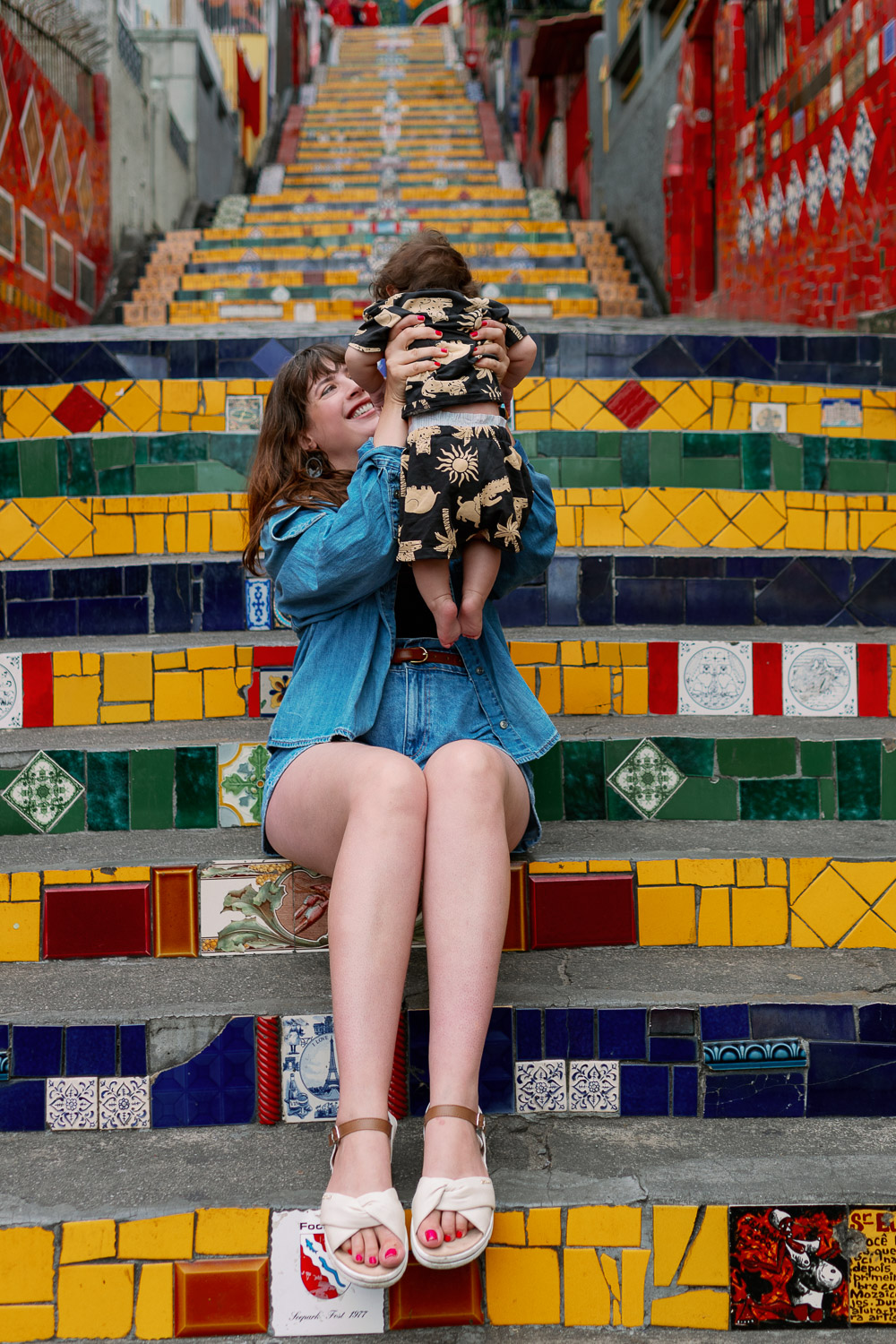
When our baby was born, we were overwhelmed with gifts. Especially during our trip to Brazil! That sounds nice at first, but in reality it often means: overcrowded children’s rooms, plastic toys that end up in the corner after two days, and we as parents think about what to do with all that stuff. Often the gifts were not suitable for their age and we will only be able to use them in a few years.
I’ve become a big fan of choosing gifts for children more carefully. Things that are really used, memories instead of dust collectors, and if you want it to be something to unpack, then please make it sensible and flexible. This is exactly where vouchers come into play, for example Kids voucherwith which kids or parents can decide for themselves what is really needed at the moment.
In this article I’ll tell you how I now think about children’s gifts, what works well for us and which ideas are suitable for different ages – from toddlers to school children.
Family blog on andysparkles

Why it’s not a good idea to just buy “any toy.”
In the past, I often simply bought “something with toys” when I was invited to friends who had children. The main thing is colorful, the main thing is a lot. I now know that that is often exactly the problem.
Typical pitfalls when giving gifts to children:
- The gift is huge, but completely impractical.
- It makes noise, flashes or requires batteries that no one has in the house.
- The child already has a million variations of it.
- It’s a short-term activity and then disappears into the toy garage.
Especially if you live in a smaller apartment, you quickly notice how tiring too much stuff can be. Children don’t need ten different building sets, just a few good ones that they will actually use. You also don’t need every trendy figure that is being hyped on TikTok.
That’s why I now believe it’s better to give less, but more consciously.
What children really get from gifts
If you look honestly, three things stick with children the longest:
- Memories: trips, special days, moments with people who are important to you.
- Everyday heroes: Things they use regularly, such as favorite books, bedding with their favorite animal, or good outdoor items.
- Creative freedom: Materials that you can design yourself instead of just pressing buttons.
Ideally, you combine all of these. For example:
- A children’s voucher for a trip together plus a small book on the topic.
- Good colored pencils, watercolor paints or playdough along with an afternoon of actually making something together.
- A gift voucher for children so that children (or parents) can decide for themselves which clothes, toys or accessories really make sense.
Especially when it comes to vouchers, I often hear: “But that’s so impersonal!” To be honest, I don’t think so at all. The question is more about how you package it.
Voucher, but please with a concept
A gift card can seem super boring or really special, depending on how you use it. A Children’s voucher is practical, for example, because you don’t have to choose a specific brand or product. Children develop quickly, tastes change, and what is loved today will no longer be relevant in three months.
Here’s how you can make it more personal:
- Write a little card about what you thought.
- Suggest what the child could choose without being tied down.
- Combine the voucher with a day together: “We’ll redeem it together, then we’ll go out for ice cream.”
Example:
“I didn’t want to give you something that would end up on the shelf after two days. Choose something you really want and we’ll make it a day of shopping together.”
This is more personal and loving than the tenth plastic item from the toy department.
Gift ideas by age group
Every child is different, of course. But a few patterns are always similar. Here are a few ideas that can be flexibly adapted.
1. Toddlers: Things that relax everyday life
Toddlers don’t actually need much. They are already happy with a few building blocks, books and everyday objects that they can explore.
Meaningful gifts for toddlers:
- Sturdy board books with flapping, feeling, hidden object motifs
- Wooden toysthat doesn’t break after a week
- Motor skills toysfor example plug-in games or simple puzzles
- Beautiful, quality clothing
- Something for the children’s roomsuch as a night light, a cozy blanket or a personalized pillow
It’s best to ask the parents what is currently needed. You know best what’s missing: maybe new bodysuits in the next size, slippers for daycare or bed linen that doesn’t look like a rag after three washes.
2. Kindergarten children: imagination and movement
From kindergarten age, children become much clearer about what they like. Vehicles, horses, superheroes, fairies, dinosaurs, all at once. What works well:
- Disguise things: Capes, hats, fairy wings, animal masks
- Building blocksmagnets, construction toys
- Sports and outdoor items: scooter, small balls, skipping rope, mud pants
- Painting and craft materials: Stickers, stamps, felt-tip pens, large rolls of paper
3. School children: self-determination and interests
Schoolchildren often have very precise ideas. You suddenly become interested in certain series, games, sports or want to be “like the big guys”. At the same time, trends are incredibly short-lived.
Good ideas for this age group:
- Money for a bigger goal: bike, console, special brand
- Activities voucher: climbing hall, trampoline park, escape room, cinema
- Materials for hobbies: Painting, music, programming, sports
- Fashion or accessories: backpack, caps, sneakers
Gifts of time: What children really remember
No matter how old children are, one thing remains: they remember time with you. So if you want to give something that really sticks, plan experiences.
Ideas for time gifts:
- A “mom/dad/aunt/uncle and me” day without a cell phone.
- A trip together to the zoo, animal park or museum.
- Bake cookies together, make pizza or make your own ice cream.
- A sleepover party in the living room with movies, snacks and mattresses.
You can combine this wonderfully with a voucher. For example:
- “With this children’s voucher you can choose something nice, and when we pick it up or order it, we’ll have a game night together afterwards.”
- “You choose something you need for your hobby and then we spend an afternoon trying it out together.”
This gift also becomes a real experience.
Which I no longer give as gifts
The longer I deal with the topic, the clearer my personal no-go list becomes. This is of course subjective, but maybe you recognize yourself:
- Things that just make noise and have no other added value.
- Decoration that only takes up space and appeals more to adults than to children.
- Spontaneous purchases from the drugstore, just “so you have something.”
If I’m unsure, I now prefer to ask my parents. What does the child really need right now? What size is it? Does it already have a thousand cars, but hardly any books? Or is the children’s room already jam-packed?
This way you can wrap gifts more beautifully
Especially when you give away a voucher, the packaging makes a big difference. Children love unpacking almost more than the contents.
A few ideas:
- Hide the voucher in a small notebook that the child can use as a “treasure book.”
- Place it in a small box with confetti, stickers, or a balloon.
- Make a simple treasure map that leads to the gift.
- Print out a small “certificate”: “Official children’s voucher for cool children”.
It doesn’t take long, but it seems much more loving than just handing over an envelope.
Conclusion: Everyone gives more consciously and in a relaxed manner
For me, having my own child has changed a lot when it comes to gifts. I don’t want our home to be lost in toys that no one uses. It’s better to have a few selected things that accompany you in everyday life, plus memories that last.
Vouchers, especially those that can be used flexibly, are a real helper for me. They take the pressure off of finding “the perfect thing” and give children and parents the freedom to decide for themselves what suits them. Combined with a wonderful shared experience, this becomes a really valuable gift.
What is it like for you: team “a lot to unpack” or rather “less, but conscious”? And would you like to read more insights into how we handle gifts for children, what works well for us and what doesn’t? Feel free to write me that in the comments and I’ll plan more posts about it.