


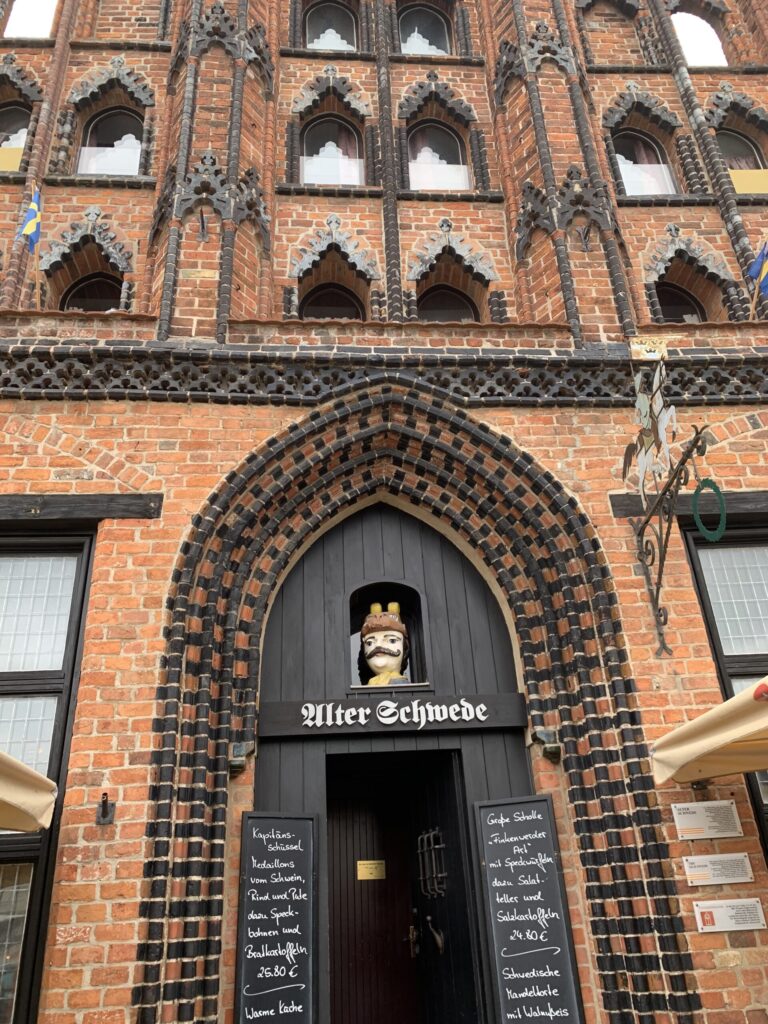

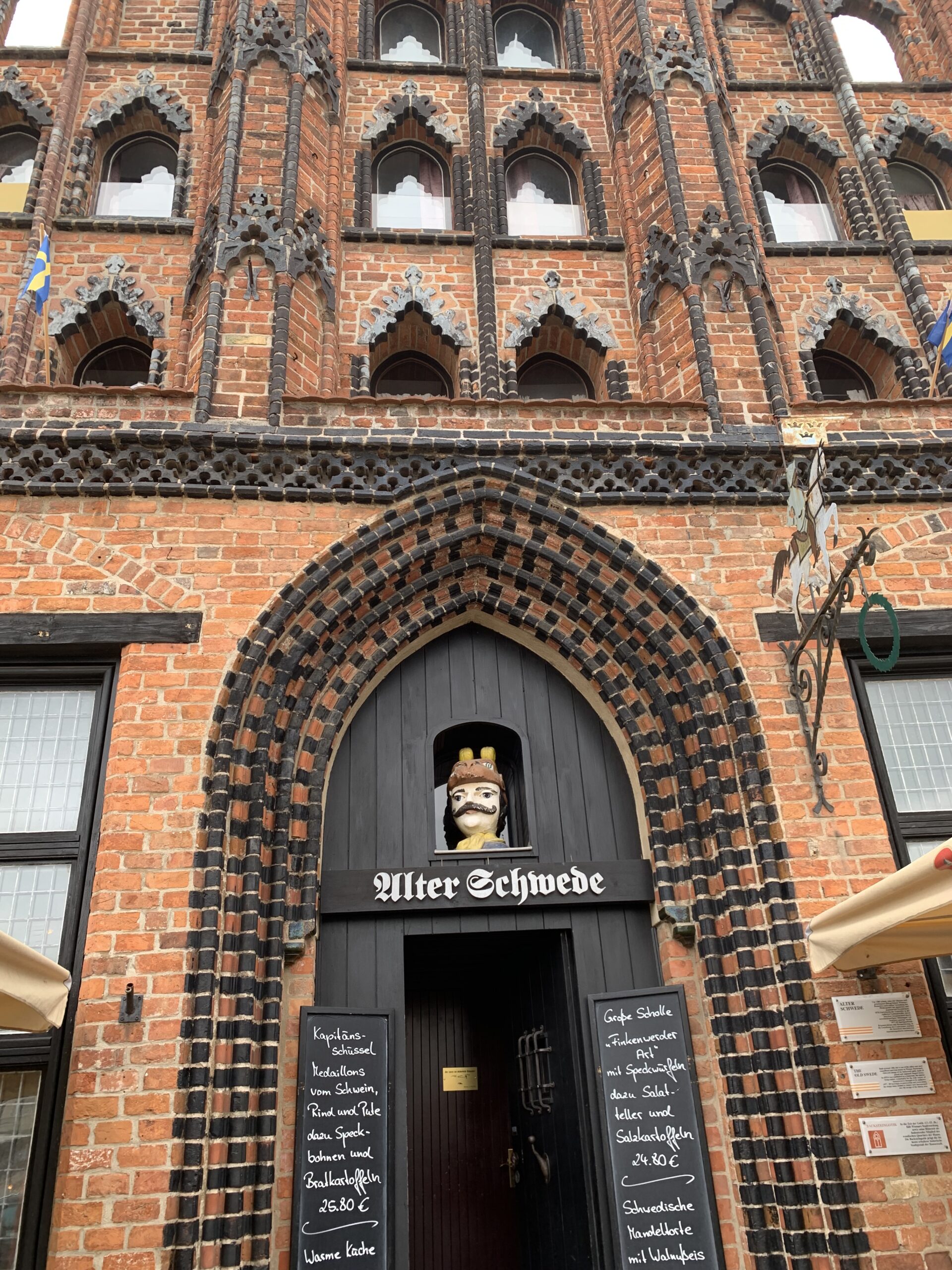
Brick gothic facade of the Alter Swede

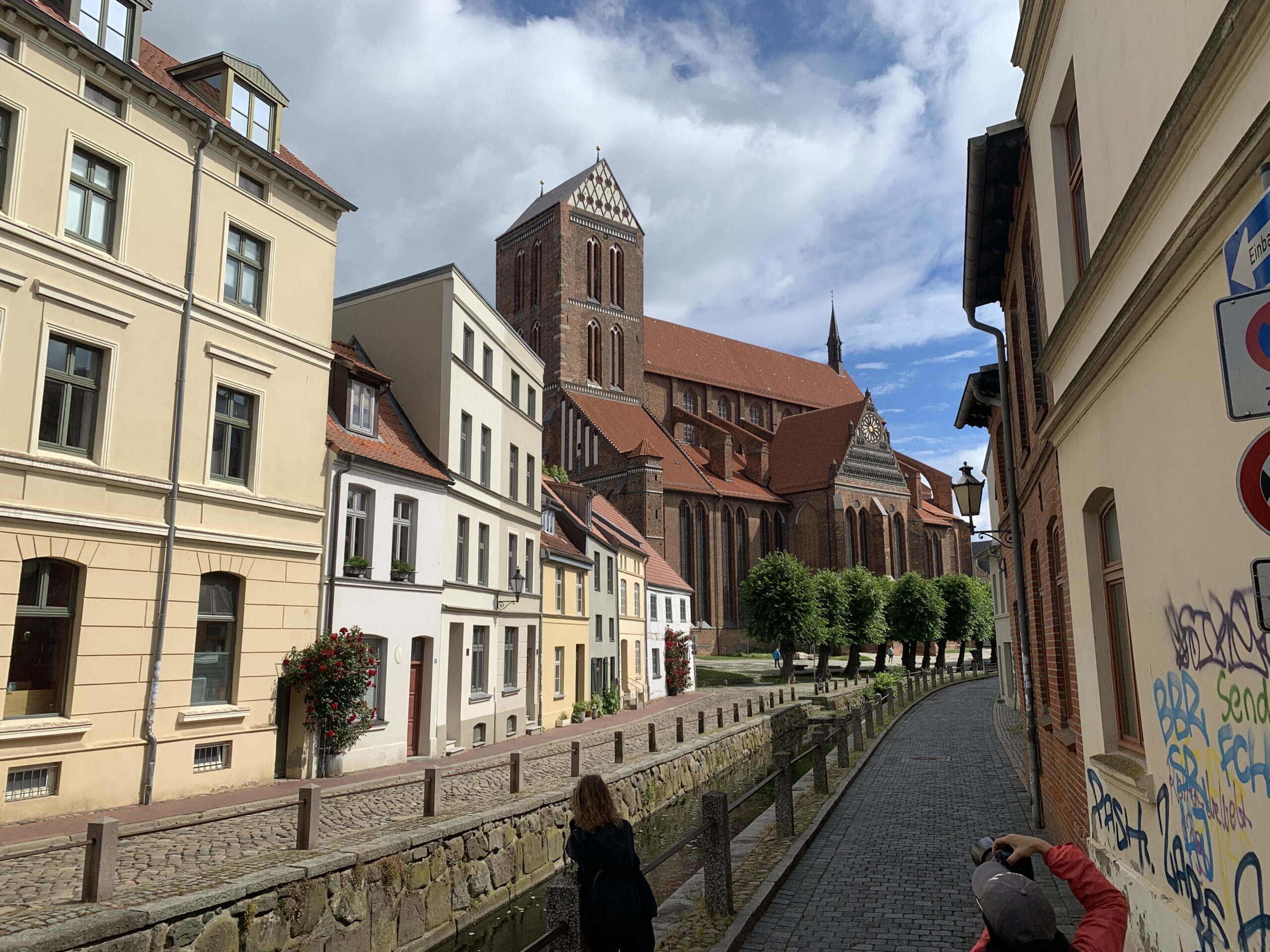
The Frische Grube runs past St Nicholas

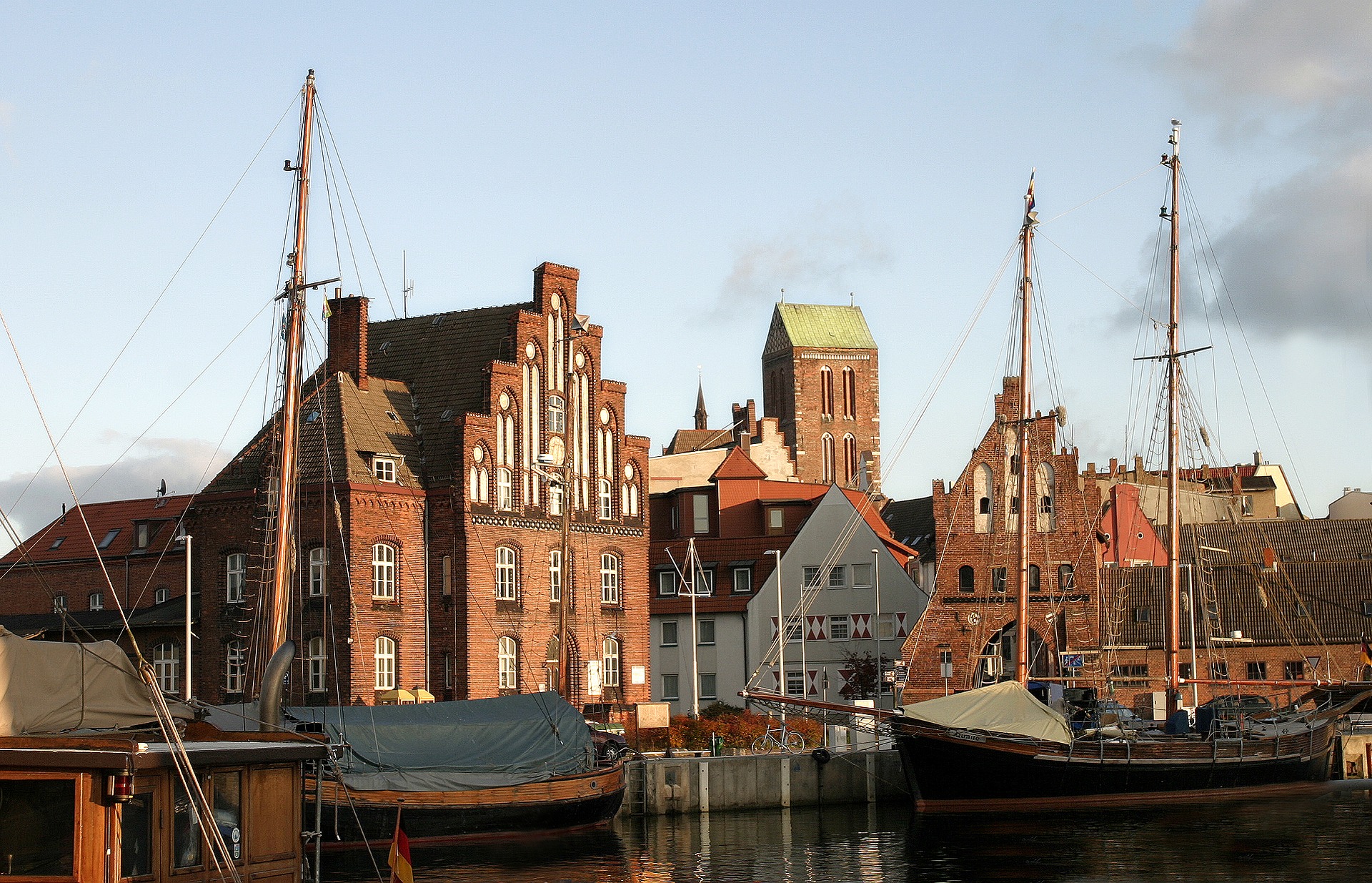
Wismar’s maritime architecture reflects the Hanseatic era

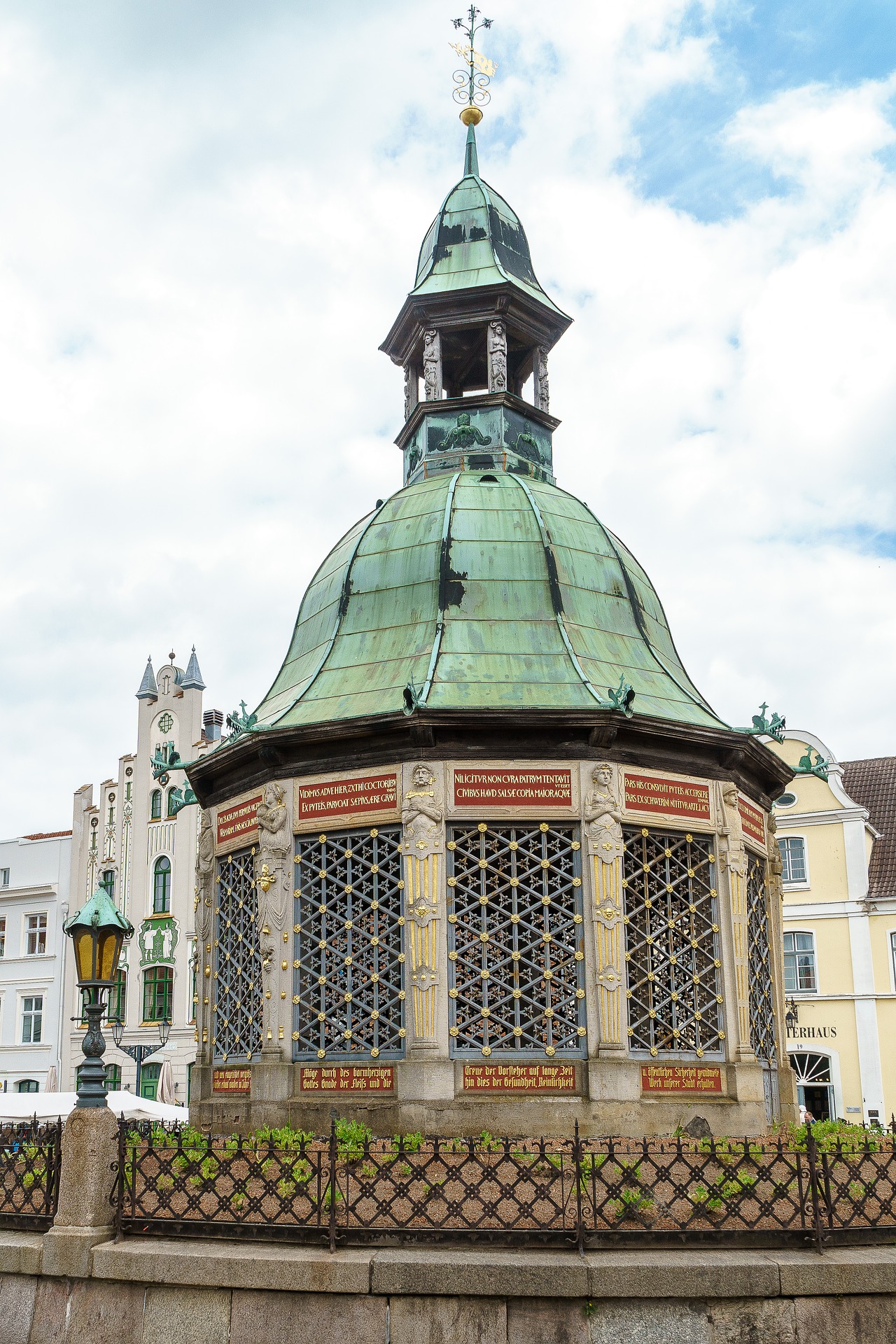
The market square’s water art fountain brought fresh water to town
In this era of modern shipping, the original port of Wismar, once a big player in the medieval Hanseatic League’s trading empire, is too tiny to be useful. But its shape, and the layout of the old town around it, has become key to its tourism industry, having earned Wismar UNESCO World Heritage recognition, back in 2002.
These days the old port is used primarily for recreation, whilst the new harbor right next door sits on the threshold of an extensive hinterland of wood-processing industries, as well as hosting occasional cruise ships, too.
Harbors aside, Wismar doesn’t seem to have changed a great deal since Hanseatic times, particularly at the Wassertor, a gothic gateway connecting the waterside with the town, built in 1450. Back then, Wismar was a place of breweries – some 160 of them – and its Hansa traders were also the holders of the brewing rights.
Some of its best preserved houses line Frische Grube, a port-connected canal which was far from fresh back in the day, as everyone emptied their chamber pots here. On its bench stands the giant brick gothic St Nicholas church from 1381, with a stark and adorned interior and even a brick floor, too. It is massive, the second highest brick church in the world after St Mary’s of Lübeck, and surrounded by a network of streets named after the trades that existed there: metalworker street, old boot street, midwife street, etc.
These days these streets and the old houses lining them are pretty quiet. Wismar hasn’t moved on as much as its Hanseatic neighbors, Rostock or Lübeck, but it does have an impressive cobbled market square, which at one hectare is the largest in northern Germany, and mercifully hasn’t become a giant car park.
The Swedish connection
It has several distinctive buildings, but a visitor’s eye cannot but help be drawn to the twin facades of the red brick Alter Schwede (now a restaurant) which dates from 1380, and its decorative art nouveau neighbor. The Alter Schwede, aka ‘old Swede’, features a striking stepped gable façade, and inside it is hung with photographs of the Swedish royal family, both ancient and modern. This is a clue to the other important, post Hansa, stage of Wismar’s history.
The Thirty Years War of the early 17thth Century dragged Sweden into a Central European conflict in defense of the Protestant religion. Swedish armies, under the direction of the King Gustavus Adolphus, marched deep into German lands (although ‘Germany’ itself wasn’t to come into existence for another 250 years) but eventually retreated to the Baltic coast.
At the end of the conflict in 1648, under the Peace of Westphalia, Sweden gained time-limited ownership of much of this coastal area, including the towns of Wismar and Stralsund. This coastal strip remained Swedish for a further 150 years, until Sweden essentially sold Wismar in 1803 after their option to extend control expired.
At this point they made a balanced, and well managed exit, without any need for war. Typical Swedes.
Looking for more? See other destinations in History