


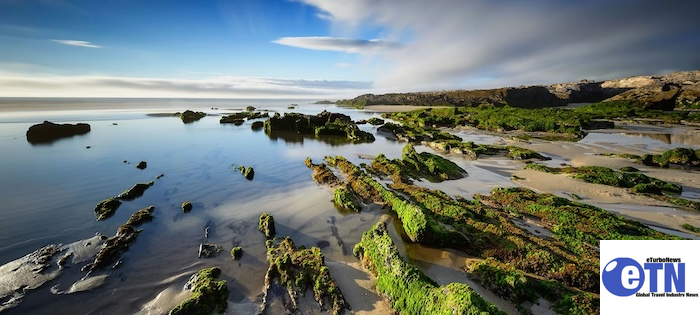
Spain’s Atlantic region of Galicia is emerging as a quieter alternative to Mediterranean hotspots. With rugged coastlines, historic towns, and rich seafood culture, the region remains largely untouched by mass tourism. New Galicia Tourist Trains launching in 2026 offer scenic journeys through vineyards, coastal villages and historic landscapes.
GALICIA, SPAIN — While millions of travelers flock every year to the Mediterranean hotspots of Barcelona, Valencia, or the Balearic Islands, Spain’s northwestern region Galicia is quietly emerging as one of Europe’s most authentic coastal destinations. Tucked between Portugal and the Atlantic Ocean, Galicia offers dramatic landscapes, centuries-old traditions, and a slower pace of travel far removed from mass tourism.
Located at the far northwest of the Iberian Peninsula, Galicia borders Portugal to the south and faces the Atlantic Ocean along its rugged western coastline. The autonomous region includes the provinces of A Coruña, Lugo, Ourense and Pontevedraand is home to around 2.7 million residents.
Unlike Spain’s sun-baked southern resorts, Galicia is known for its lush green hills, forested valleys, and misty cliffs overlooking the Atlantic — earning it the nickname “Green Spain.”
A Different Spain: Atlantic Landscapes and Quiet Beaches
Galicia’s coastline stretches for roughly 1,000 milescarved by deep estuaries known as rias. These natural inlets create calm bays lined with fishing villages, vineyards, and sandy beaches — many of them far less crowded than those along the Mediterranean.
From the wind-lashed cliffs of Costa da Morte to the white-sand coves of the Rias Baixasthe scenery blends ocean drama with rolling countryside. The region also features natural wonders such as Praia As Catedraiswhere towering rock arches sculpted by the sea resemble cathedral vaults
This maritime environment also supports one of Europe’s richest seafood cultures. Nutrient-rich estuaries produce famous Galician shellfish, especially mussels and oysters farmed on floating platforms known as bateas.
Tourism of Galicia. Europe – Spain – Galicia. – GALICIA
Discover Galicia, your complete tourist guide. Cities, nature, hidden heritage, rivers and beaches await for you. All the information you need to plan your trip.
A Region Steeped in Culture and Pilgrimage
Galicia’s identity differs markedly from the rest of Spain. The region has its own language, Galician (Galego)closely related to Portuguese, and strong Celtic influences reflected in music, folklore and the traditional use of bagpipes.
The spiritual heart of the region is Santiago de Compostelathe legendary endpoint of the Camino de Santiago pilgrimage. Each year hundreds of thousands of pilgrims walk ancient routes across Europe to reach the city’s cathedral, believed to hold the relics of Saint James.
Tourism Growing — But Still Authentic
Despite its natural beauty, Galicia has long remained under the radar compared with Spain’s Mediterranean destinations. Yet interest is increasing. In 2024, the region recorded over 12.4 million overnight staysdriven partly by a rise in international visitors and the growing popularity of rural tourism.
Travel experts say this makes Galicia particularly attractive to travelers seeking “slow tourism” — experiences centered on nature, gastronomy and culture rather than crowded beach resorts.
New Ways to Explore Galicia: Scenic Tourist Trains
To help visitors discover the region more sustainably, the Galicia Tourism Board has expanded its network of tourist trains for 2026offering themed rail journeys across the countryside and coast.
According to the official tourism portal, these routes combine scenic train travel with guided visits, wine tastings and cultural experiences, allowing travelers to explore Galicia without a car.
Presentation of Tourist Trains – GALICIA
Presentación Tren Turisticos
The routes showcase diverse themes — from historic monasteries and vineyards to coastal fishing towns — making them an accessible way to experience Galicia’s landscapes and heritage.
Spain’s Next Big Destination?
As heat waves push summer tourists away from southern Europe and travelers seek quieter alternatives, Spain’s Atlantic north is gaining attention. Galicia, with its cool climate, wild coastlines and strong local culture, is increasingly seen as a refreshing counterpoint to Spain’s mass-tourism hotspots.
For now, however, Galicia remains a destination where travelers can still discover untouched beaches, centuries-old villages, and authentic seafood taverns — a rare find in modern European tourism.