


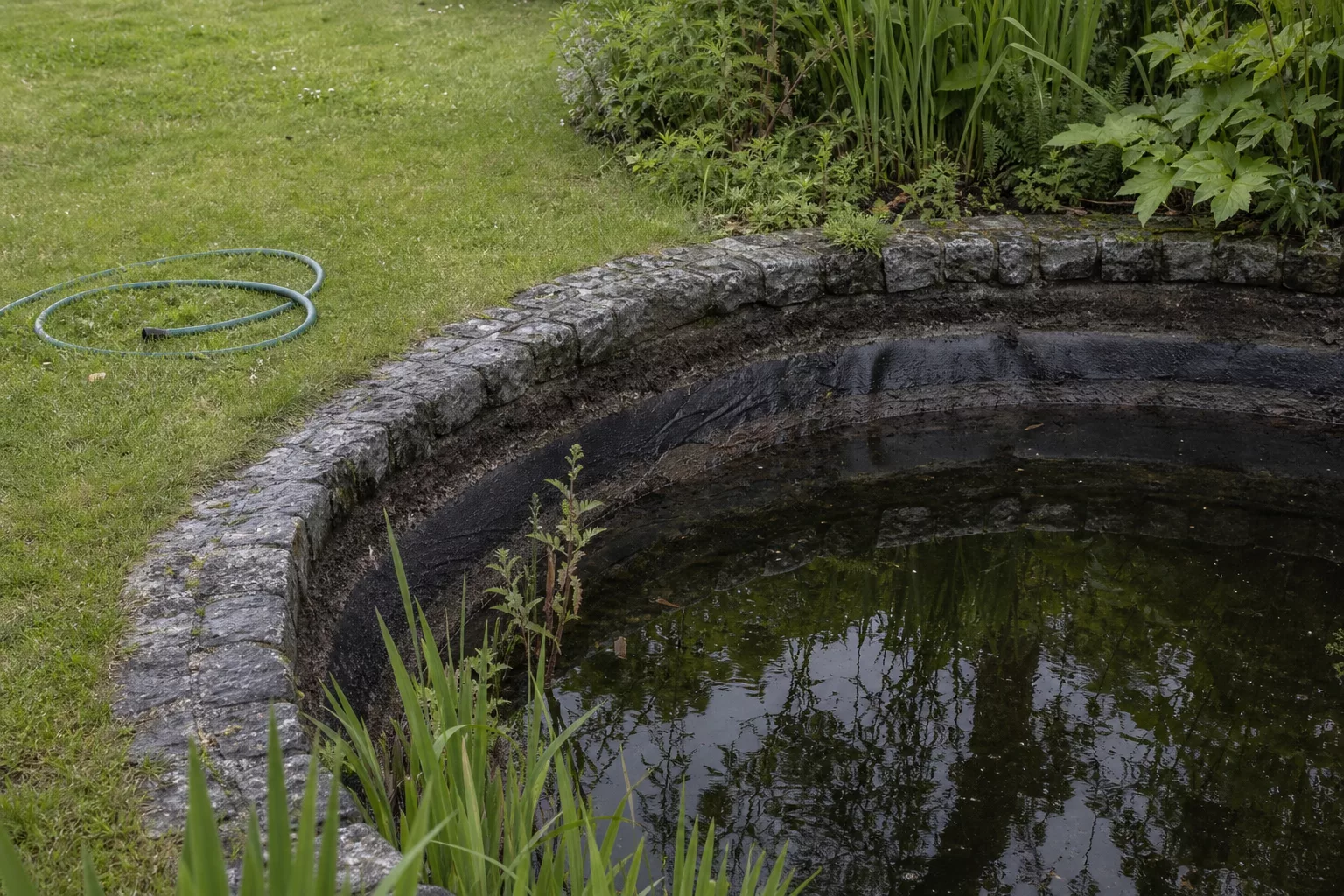
When does an idyllic frog concert turn from a summer idyll into a nightly test of nerves? Usually at the moment when two or three frogs have become an entire colony and the croaking sounds through the tilted bedroom window at two in the morning. Anyone who wants to get rid of the frogs in the pond will quickly come across two questions: What really helps without harming the animals? And what is actually allowed? Because native frogs are strictly protected – simply cutting them off and releasing them is not an option, but a case for the office.
How do you know that the frogs in the pond are becoming a problem?
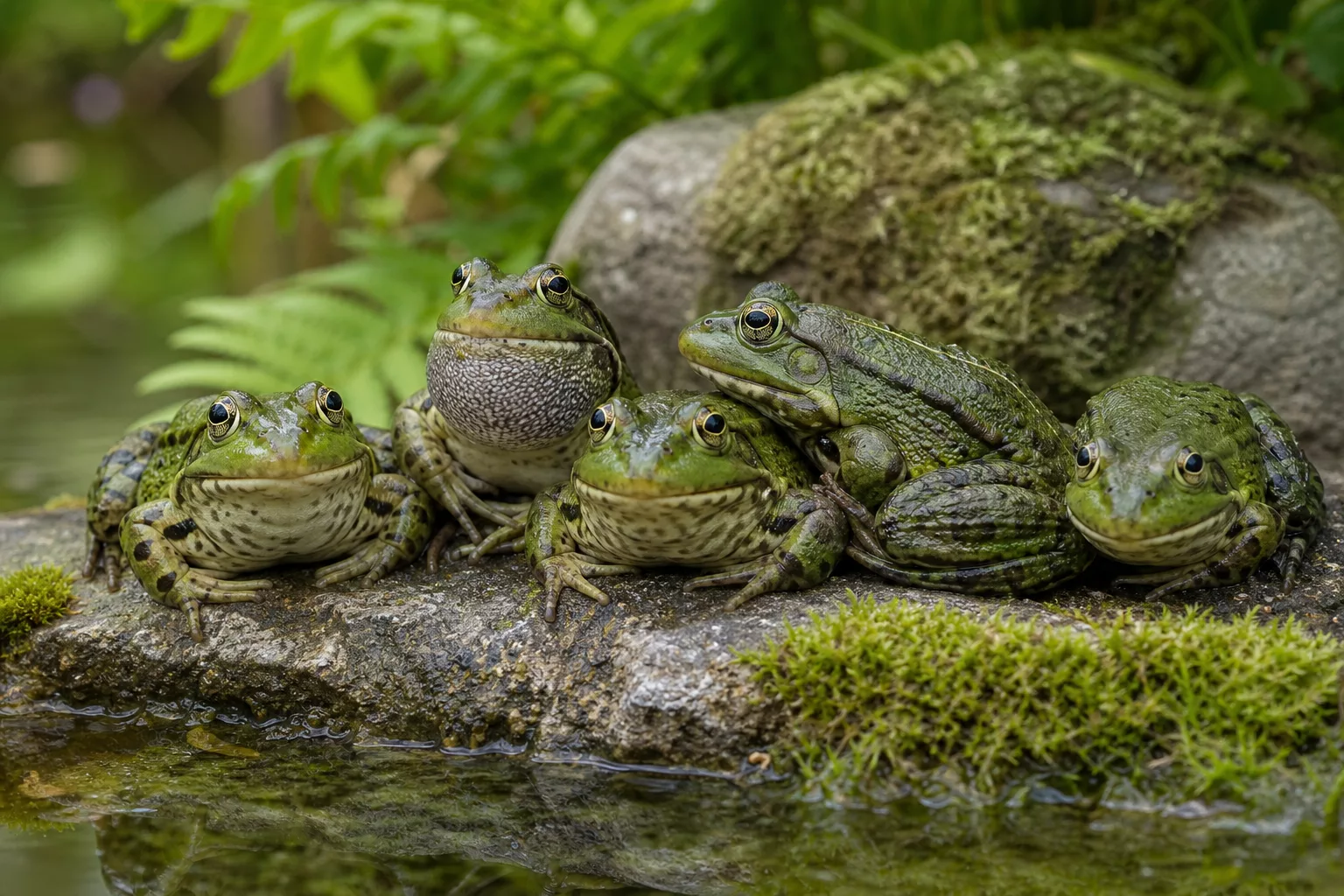
A few frogs in the garden pond are a good sign: they eat insects and show that your water is alive. Things only become critical when the population gets out of control. Typical signs of this:
- Constant noise: During the mating season in early summer, the males croak almost all night long – loud enough to keep them from sleeping.
- Overstocking: If a dozen animals sit on the edge at the same time in the evening, the pond is simply overpopulated.
- Plant damage: Among the frogs, young aquatic and shore plants suffer, constantly being weighed down.
- Bullfrog Suspect: A strikingly large, brown frog with a deep, barking call may be the invasive American bullfrog.
The bullfrog in particular is tricky. It spreads explosively, eats native frogs, small fish and even young birds and can transmit pathogens. Anyone who touches him – or another frog – should wash their hands afterwards. This is especially true for children and pets.
And yet the same applies to all of these animals as in the rest of the garden: in the end it’s just a matter of them finding another place. Just as squirrels can be driven away in an animal-friendly manner or moles can be driven away without harming them, the best methods against frogs also work with gentle pressure: They make the pond uncomfortable without hurting the animals.

First things first: frogs are protected
Before you take action, one crucial point: All native amphibians are considered specially protected species in Germany according to the Federal Nature Conservation Act. Catching, injuring, killing or destroying their spawning grounds – all of this is prohibited without official permission. Even the well-intentioned move to the next pond is taboo.
And the loud croaking? Legally speaking, you have to tolerate a surprising amount. According to the NABU, frog noise has not been considered subject to compensation since a BGH ruling in 1992; The benchmark is the “average reasonable person”, not the particularly sensitive neighbor. An officially approved relocation is only possible if the noise level exceeds the basic value of 35 decibels by more than 20 decibels – i.e. from around 55 decibels. In rural areas, the concert is considered local custom anyway, and the requirement to tolerate it is higher there than in the city.
In practice this means: Your own measures should only make the pond unattractive. Everything that directly affects the animals – catching, relocating, draining the water as long as there is spawn in it – is done exclusively by the nature conservation authority.
Animal-friendly home remedies for frogs in the pond
Frogs have sensitive noses, and this is exactly where tried and tested home remedies come in. Both work with intense scents that the animals avoid – without harming them, as long as you use them sparingly.
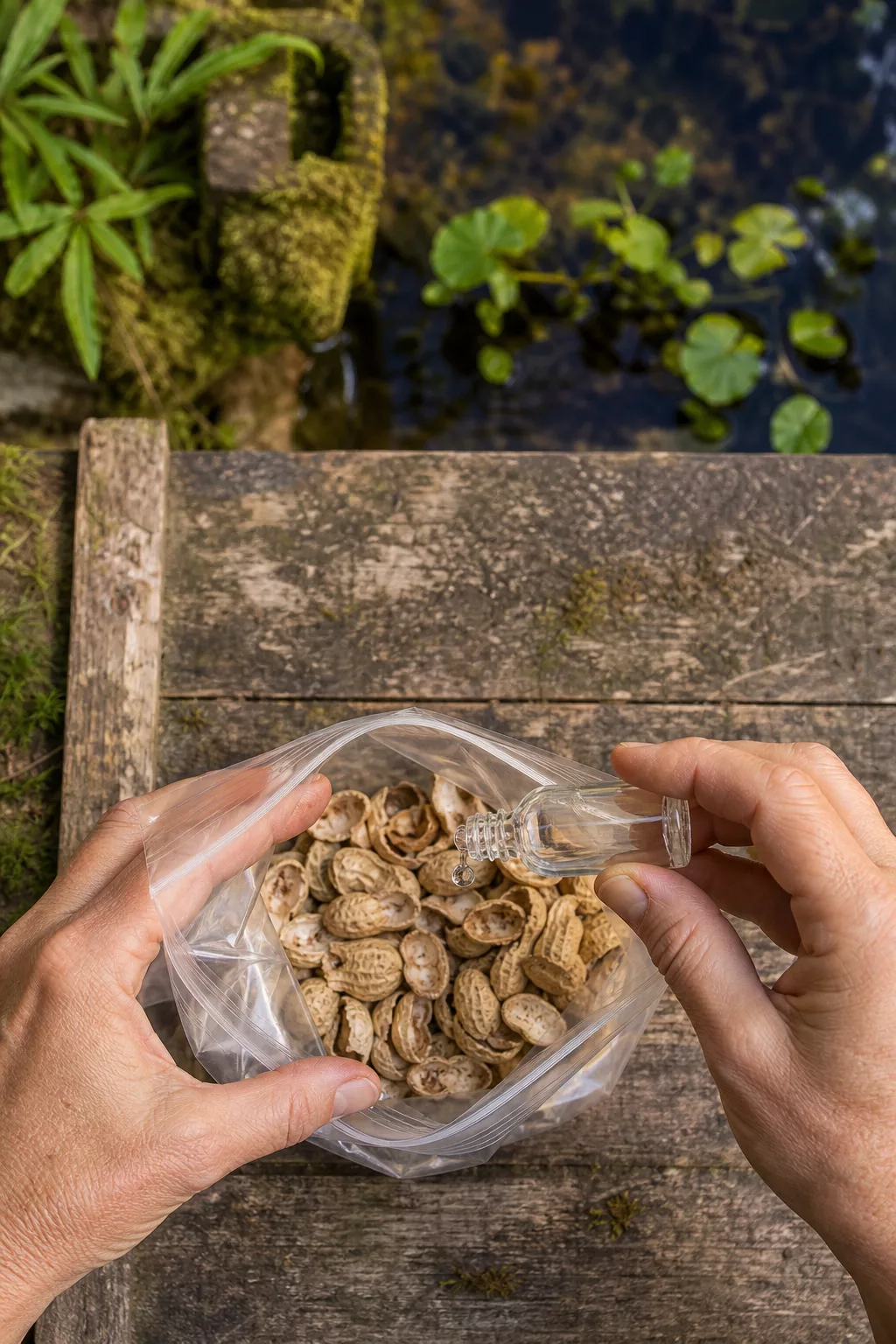
Peanut shells with peppermint oil. Place three handfuls of dry peanut shells in a plastic bag and drizzle around ten drops of peppermint oil on top. Close the bag, shake vigorously so that the scent is well distributed, and place the bowls at the damp entry points around the pond. The smell of mint signals to the frogs that it is uncomfortable here.

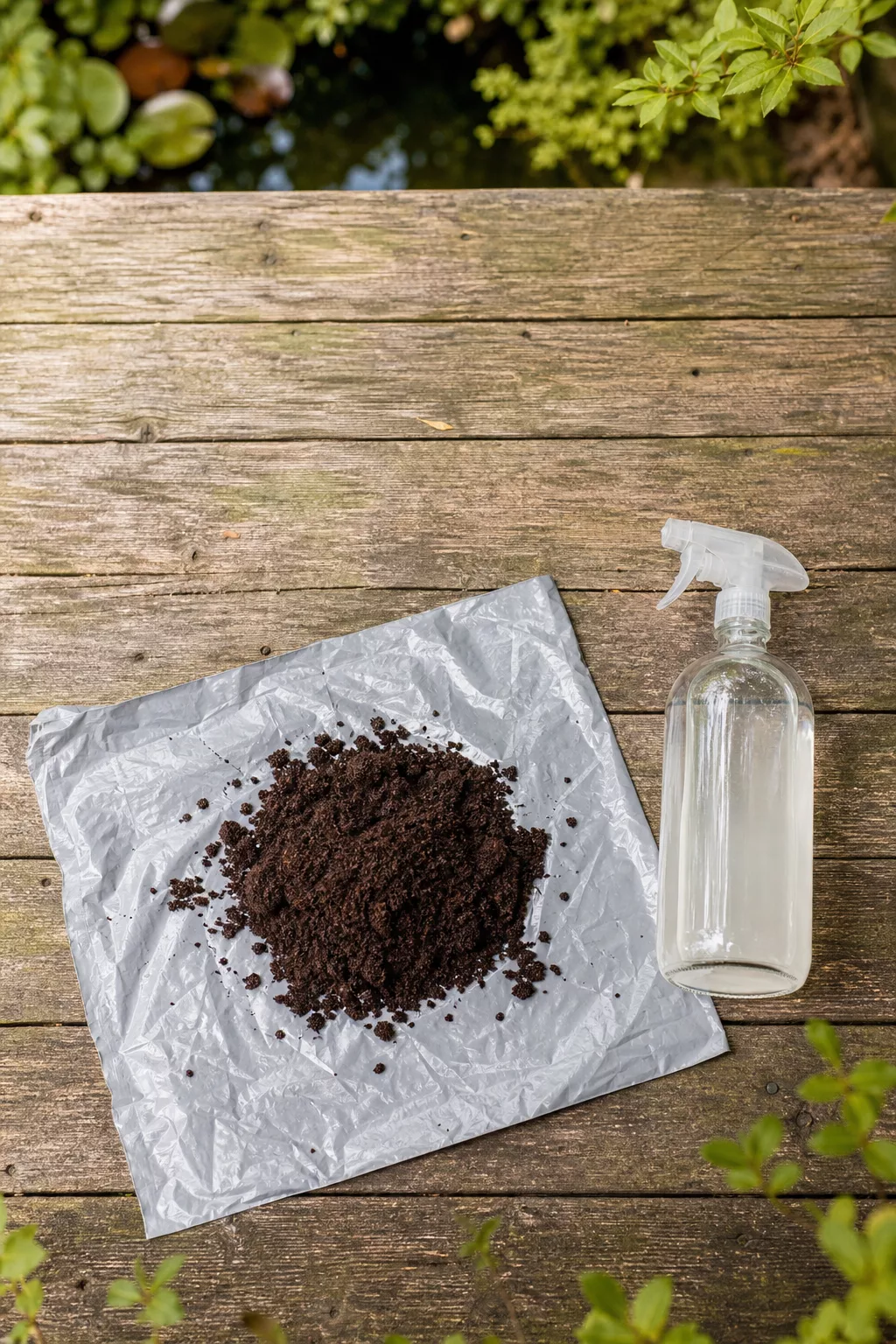
Vinegar and coffee grounds mixture. Mix vinegar and water in a one-to-one ratio in a spray bottle. Three handfuls of coffee grounds are placed in a plastic bag and sprayed with the vinegar solution. Line the entry areas with some garden foil and spread the damp coffee grounds on them. Important: A small amount is enough, because too much acid damages the soil and animals.
Professional tips for application
- Renew after rain: Heavy rain quickly washes out peppermint oil and coffee grounds – then freshen up the scent as soon as possible.
- Targeted instead of flat: Only treat the wet areas where the frogs actually move, not the entire edge of the bank.
- Apply in the evening: Frogs become active at dusk – whoever distributes shortly before then hits the most effective moment.
- Use oil sparingly: Essential oils should never be added directly to water; The thin frog skin reacts very sensitively to this.
Make the pond permanently unattractive
Home remedies work in the short term. Things only become permanently quiet when the pond loses its appeal as a spawning place – and the best way to do this is to turn several adjusting screws at the same time.
Less light, less food. Turn off pond and outdoor lights at night. Light attracts insects, and insects are the frog buffet. As a pleasant side effect, mosquitoes can also be reduced in the garden.
Clear out hiding places. Tall grass, piles of leaves and large stones on the bank provide shelter and shade. Anyone who removes them takes away the frogs’ cover.
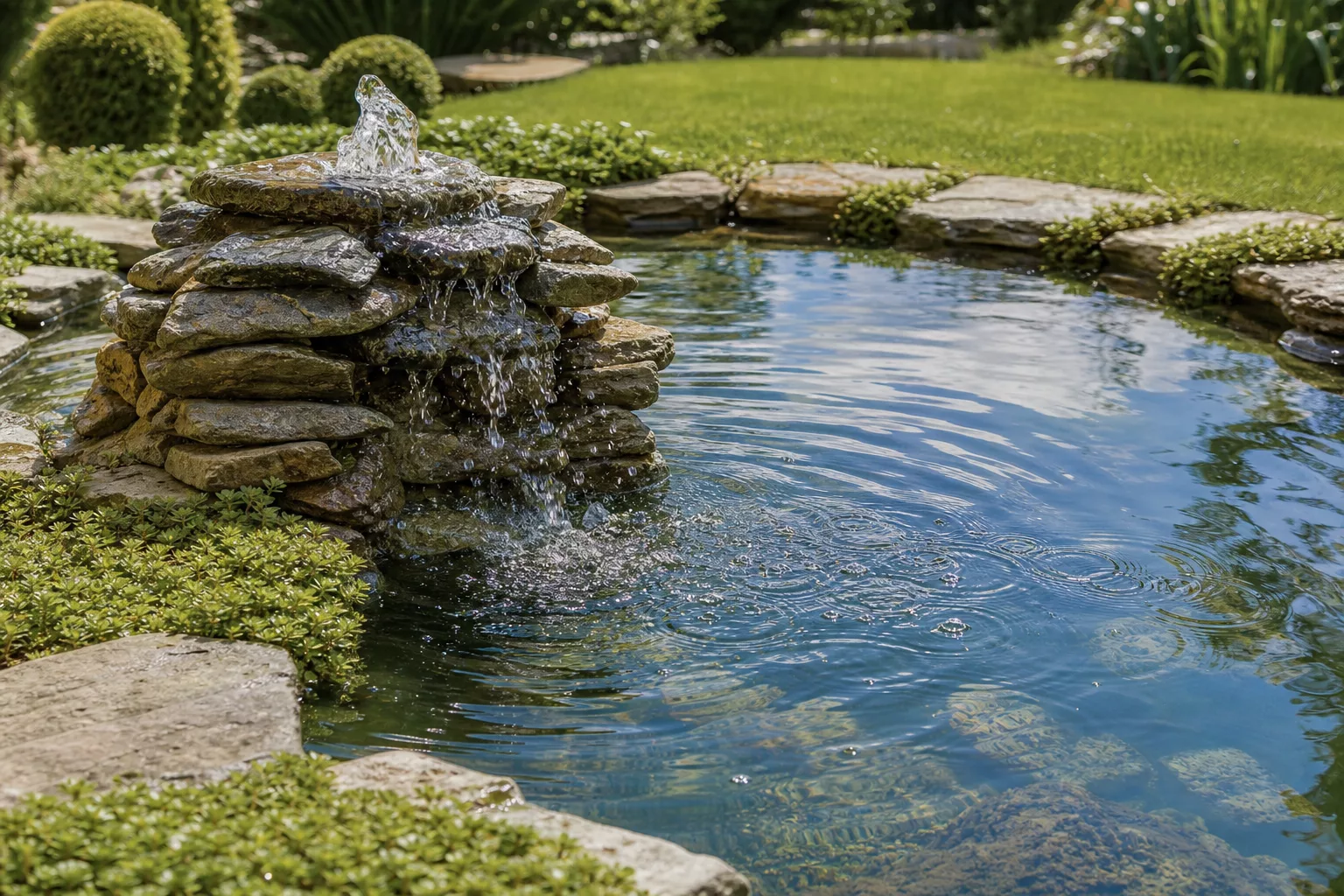
Moving water. Frogs prefer to spawn in stagnant, calm water. A small fountain or stream that constantly ripples the surface makes the pond significantly less attractive for egg-laying.
Settle large goldfish. Adult goldfish eat frog eggs and thus slow down the offspring. But only use mature, large animals – otherwise small fry will end up in the frog’s stomach.
network in spring. A fine-mesh net over the pond keeps frogs ready to spawn away before the population even emerges. Prevention is much easier than counteracting it later.
When it comes to plants, you can remain calm: underwater plants are not a problem. When planting the pond correctly, just make sure to avoid dense carpets of floating plants at the edge – they offer perfect shelter for frogs.
Last step in case of severe overpopulation: temporarily empty the pond
If nothing helps and the pond is literally overflowing with frogs, the last step is to temporarily lower the water level. The right period is between April and June: a drained pond then loses the moist spawning habitats on which the animals depend. If water collects in swampy lawns, an aerator helps to aerate the area and drain away excess water.
This step is delicate – and that’s why the following applies: always contact the nature conservation authority beforehand. If there is spawn in the water, draining it without permission is not permitted.
What’s Hot

Garden and plants
Only an ant trap reaches the queen in the nest
A single remedy rarely brings lasting peace. The most effective combination is: moving water, tidy banks and the scented home remedies together, the latter renewed after every heavy rain. Anyone who consistently follows these measures for one or two seasons will noticeably reduce the population – without ever having to touch a frog.
Frequently asked questions
Will relocated frogs come back next year?
Often yes. Frogs are extremely loyal to their location and, according to NABU, often find their way back to their old pond – even over long distances. A one-off official relocation is therefore rarely permanent. It is more effective to make the water unattractive from the outset so that a colony does not form again.
Are frogs in the garden pond dangerous for children or pets?
Domestic frogs are generally harmless. You should still wash your hands after direct skin contact because the animals’ skin secretions can irritate mucous membranes. Caution is advised with the invasive bullfrog: it can transmit pathogens, so distance is the wiser choice.
Does a frog-free pond attract more mosquitoes?
A few frogs are useful for mosquitoes because they eat insects and larvae. A completely frog-free pond is therefore rarely the goal; It makes more sense to reduce overpopulation to a tolerable level. You can also keep the number of mosquitoes in check with moving water and a lack of night lights.