


#Guest post
“New Work” is not synonymous with laissez-faire. Structures and clear rules as well as framework conditions are needed, but flexibility is no longer negotiable. All that remains for companies to do is adapt to the new rules of the labor market.


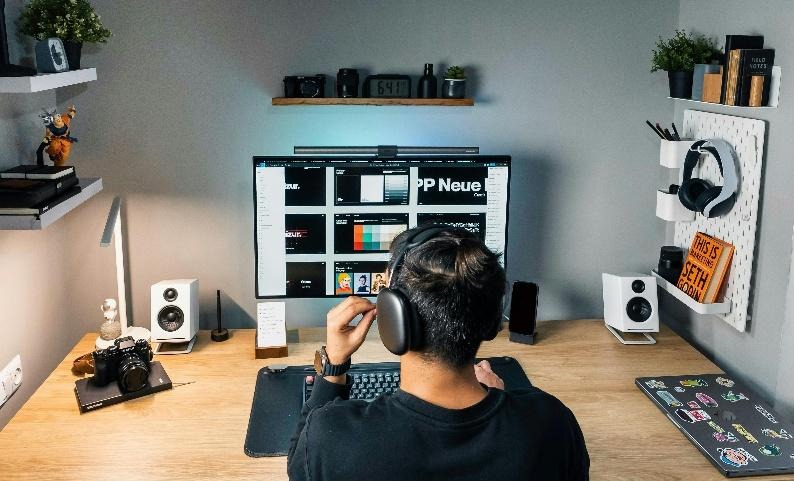
The corona pandemic may have been a few years in the past, but the flexible working models that emerged out of necessity at the time have remained. Home office, hybrid work and trust-based working hours are more present in companies today than ever before, also because employees consistently demand them and declare them to be a bargaining chip. Companies have to master a balancing act.
Today, work needs to be rethought holistically
Generations Y and Z in particular attach great importance to work-life balance and more flexibility: At the same time, younger generations are no longer as attached to their employer as previous generations. If a company wants to permanently retain qualified specialists and continuously develop them, they have to accommodate them. At the same time, the weighting of benefits from the employee’s perspective has changed: a company car is no longer as attractive a benefit as it used to be; instead, much more emphasis is placed on flexible working locations and times.
Companies are under pressure to act, especially in view of international competition and the omnipresent shortage of skilled workers in Germany, coupled with unfavorable demographic developments, which will only become more of a challenge in the future. You must present yourself as an attractive employer in order to attract and retain qualified specialists. Hybrid working models and home office solutions are two important tools: When it comes to recruiting, both ensure that companies can significantly expand their search radius for new skilled workers.
Another important point is trustworthy working hours: Younger generations in particular don’t just want to “do working hours”, but rather focus more on the actual results. Science has also long argued that more working time does not automatically result in more productivity or better results. Trusted working hours and a strategic rethink can help here – in which the results are examined instead of the hours worked.
Combining flexibility and company-specific structures is still a challenge
It is in the nature of things that in most companies individual employees do not operate in a vacuum, but consistent coordination with other employees is required. Companies therefore have to adapt structurally: It is important to create transparency within teams and departments, and projects and working hours also need to be coordinated. For example, digital calendars, status reports and, of course, core working hours can help here. Digital tools can be established, especially when it comes to communication, so that even remote workers can easily take part in meetings and project discussions. At the same time, managers must adapt their style: Productivity does not have to decline when working from home, but employees must be led and managed differently than would be the case if they worked permanently in person.
Digital time management solutions and HR tools as an interface
Digitalization can and should bring with it increases in efficiency and productivity. At the same time, digital interfaces provide essential support when it comes to flexible working models. Companies and organizations cannot make any progress with the classic “paperwork” system if a large proportion of employees are not there where the relevant pieces of paper and documents are. This starts with routine tasks, for example in the human resources department: With modern HR solutions, vacation requests, sick notes and time recording can be completely digitalized and often partially or completely automated.
This optimizes communication among each other and between departments, and at the same time makes planning easier for managers and project managers. Flexible working hours and remote work do not have to turn into more bureaucracy if the associated bureaucratic and organizational processes are optimized digitally and with the support of software. Readers can find further information on modern solutions for working time and HR management at Haufe. It is necessary to establish such structures and digital helpers in the company at an early stage: a return to older, traditional working relationships and working methods is considered impossible for the next and younger generations of employees.
Refusing digitalization is not an option: neither holistically nor in relation to individual processes. Companies, especially those in the medium-sized sector, that have to compete for skilled workers with large international organizations and corporations should therefore position themselves accordingly too early rather than too late.
Flexibility is a must – but so are clear structures
“New Work” is not synonymous with laissez-faire. Structures and clear rules as well as framework conditions are needed, but flexibility is no longer negotiable. The only thing left for companies to do is adapt to the new rules of the labor market and employees. This is achieved with stable, reliable and transparent digital structures that can not only reduce costs in the long term, but also play a significant role in the efficient implementation of modern working models.