




Benchmark: Up to 21 percent faster than the A18 Pro…
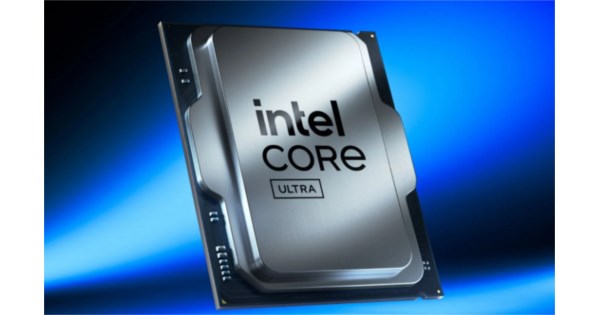
Although it is often said that this is a reaction to the MacBook Neo, Intel certainly did not start development in the last few months. Instead, the roadmap offers other manufacturers the opportunity to respond to the MacBook Neo soon. Specifically, it is a chip from the new “Wildcat Lake” platform, which is primarily intended for inexpensive mobile devices within the “Core 300 Series”. The first benchmark results have now appeared: In multi-core tests, the chip is said to be around 21 percent faster than Apple’s A18 Pro with the same number of cores, so both processors are almost on par in terms of performance per core.
…but that’s only half the story
However, there is of course still the question of energy requirements. A “Wildcat Lake” reference computer described by Tom’s Hardware works with several CPU power levels, including 17 watts permanently, 22 watts for a short time, up to 35 watts peaks and an 11 watt mode without a fan. The A18 Pro averages 4 watts and can only go up to 10 watts for a very short time. So there may be a performance difference when all cores are used, but this is at the expense of higher power consumption – and also only affects short-term benchmark values, not necessarily the performance under long-term load.
Cheap Windows notebooks are likely to continue to seem cheap
There is also another aspect, because even if the new Intel processor is available, that still doesn’t turn a very affordable Windows notebook into a MacBook Neo. Housing, trackpad, display, speakers or software experience, all of this is usually anything but particularly high-quality in inexpensive devices. Apple achieves the price/performance ratio of the Neo by, among other things, obtaining essential components such as the A18 chip at an incomparably low price (see article). It will therefore be more than challenging to find an answer in the Windows camp.