


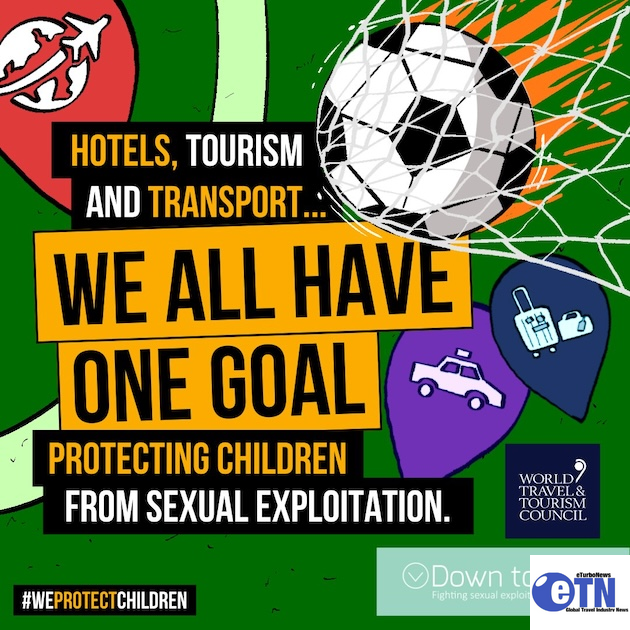
The World Travel & Tourism Council is warning the travel industry about increased risks of child exploitation during the FIFA World Cup 2026 in Canada, Mexico, and the United States. Hotels, airlines, and tourism workers are urged to recognize warning signs, safeguard strengthening measures, and help protect vulnerable children during the global sporting event.
The global travel and tourism industry is being urged to strengthen safeguards against child exploitation ahead of the FIFA World Cup 2026, which will be hosted across Canada, Mexico, and the United States.
According to the World Travel & Tourism Council (WTTC), major international sporting events can create conditions that increase the risk of trafficking, online grooming, and sexual exploitation of children, particularly in destinations experiencing surges in tourism demand.
WTTC President and CEO Gloria Guevara, who previously served as Mexico’s minister of Tourism, issued a public warning to the sector, emphasizing that hotels, airlines, tour operators, transportation providers, and tourism workers are often in a frontline position to identify suspicious activity.
“The FIFA World Cup 2026™ in Canada, Mexico and the United States is just around the corner, and while it’s an exciting time for sports fans, we also need to keep our eyes open,” Guevara said. “Major events like this can increase the risk of child exploitation, but together, we have the power to make a difference. As leaders in the tourism sector, we have a unique responsibility and opportunity to protect the most vulnerable.”
Home – ECPAT
A global network of organizations, in over 100 countries, working towards the same vision—to end the sexual exploitation and abuse of children worldwide.
Why Mega Sporting Events Increase Risk
Experts in child protection warn that large-scale international events can unintentionally create opportunities for criminal networks and predators. Millions of visitors, temporary accommodation arrangements, nightlife activity, and increased cross-border movement can make it easier for exploiters to operate unnoticed.
The risk is not limited to physical trafficking. Authorities also warn of:
- Online grooming through gaming and social media platforms
- Exploitation linked to temporary jobs and informal tourism services
- Use of short-term rentals and hotels for illegal activities
- Recruitment of vulnerable minors near transportation hubs
- Increased demand for commercial sexual exploitation in entertainment districts
Children who are homeless, undocumented, migrants, economically vulnerable, or separated from guardians are considered especially at risk.
Areas of Highest Concern
While exploitation can occur anywhere, child protection organizations identify several high-risk environments during international events:
Transportation Hubs
Airports, bus terminals, train stations, and border crossings often become transit points for traffickers moving victims between cities and countries.
Hospitality Sector
Hotels, motels, resorts, and short-term rentals may unknowingly be used for exploitation if staff are not trained to recognize warning signs.
Entertainment and Nightlife Districts
Bars, clubs, fan zones, and areas with heavy nightlife traffic can become hotspots for illegal activity targeting vulnerable minors.
Informal Tourism Services
Unregulated transportation providers, unofficial tour operators, and temporary event workers may operate without proper screening or oversight.
Online Platforms
Predators increasingly use social media, messaging apps, and travel-related platforms to target children before and during major events.
What the Tourism Industry Is Doing
Tourism organizations, governments, and NGOs are stepping up prevention efforts ahead of the tournament.
Initiatives already underway include:
- Specialized training for hotel and airline staff
- Awareness campaigns in airports and tourism centers
- Cross-border law enforcement cooperation
- Anonymous reporting systems
- Enhanced monitoring of online exploitation
- Partnerships with child protection organizations
- Mandatory safeguarding protocols for tourism workers
Many global tourism companies have also signed child protection codes of conduct designed to help employees identify and report suspicious behavior.
Industry leaders stress that prevention depends heavily on frontline workers who interact directly with travelers every day.
Warning Signs Tourism Workers Should Watch For
Travel professionals are being encouraged to report suspicious behavior rather than assume someone else will intervene.
Potential warning signs include:
- Adults traveling with children who appear fearful, withdrawn, or coached
- A child unable to explain their relationship to the accompanying adults
- Guests refusing housekeeping or repeatedly requesting privacy
- Several men are visiting a room where a minor is present
- Children showing signs of distress, malnutrition, fatigue, or physical abuse
- Excessive monitoring of a child’s movements or communication
- Young people carrying little luggage or lacking identification
- Adults making inappropriate comments about minors
- Bookings paid in cash with unusual room requests
- Evidence of commercial photography involving minors
Experts caution that no single sign confirms exploitation, but patterns of behavior should never be ignored.
A shared responsibility
Child protection advocates say the tourism industry has become one of the most important partners in combating exploitation globally.
With millions expected to travel across North America during the FIFA World Cup 2026, WTTC officials say vigilance, training, and rapid reporting could help save lives.
“Protecting children is everyone’s responsibility,” Guevara said. “The travel and tourism sector has the reach, visibility, and influence to help stop exploitation before it happens.”
Authorities encourage tourism employees and travelers to report suspicious activity immediately to local law enforcement or child protection hotlines in Canada, Mexico, or the United States.