


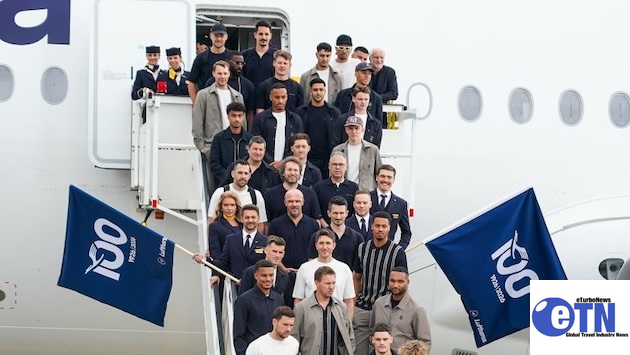
Yesterday, Germany’s national football team arrived in the United States on a Lufthansa flight. Head coach Julian Nagelsmann’s squad arrived in Chicago on Tuesday evening before traveling to its base at the Waldorf Astoria hotel, joining the growing wave of players, officials, media representatives and supporters arriving from around the world ahead of FIFA World Cup 2026 preparations.
For many of those visitors, the journey to America is about football.
But for many others, it is also an opportunity to witness a country undergoing a profound debate about its identity.
For decades, the United States promoted itself as the “Land of the Free” — a nation that welcomed immigrants, diversity and projected an image of openness that attracted millions of visitors every year.
As FIFA’s global audience arrives on American soil, however, they are encountering a more complicated reality.
The United States that welcomes the world today is politically, culturally and socially divided in ways that have become increasingly visible both at home and abroad. The divisions surrounding Pride Month have emerged as one of the most visible symbols of that broader national struggle.
This June, states including Hawaii, New York, Michigan, Wisconsin, and Kentucky officially recognized Pride Month and hosted events celebrating LGBTQ+ communities. In Hawaii, Governor Josh Green proclaimed June as Pride Month and ordered Pride flags flown above the State Capitol, declaring that Hawaiʻi remains a place where everyone belongs.
Elsewhere, Pride Month has received little or no official recognition. Some conservative-led states have instead emphasized themes centered on traditional family values, reflecting a broader cultural movement that has gained strength during President Donald Trump’s second administration.
For international visitors arriving from Europe, Latin America, Africa and Asia, the contrast can be striking.
A traveler may leave a Pride celebration in New York and arrive hours later in a state where government leaders reject official Pride observances altogether. The result is not simply a debate about LGBTQ+ rights. It is a visible reminder that America itself is deeply divided over questions of identity, culture and the meaning of freedom.
The Trump Era and America’s Changing Reputation
Under President Donald Trump’s second administration, many of those divisions have become part of the country’s international image.
Supporters argue that the administration is restoring national sovereignty, strengthening border security, reducing illegal immigration and returning authority to states and local communities.
Critics see something very different.
Human rights organizations, tourism groups, universities and foreign governments have raised concerns about immigration crackdowns, visa restrictions, diversity rollbacks and political rhetoric that they believe has damaged America’s reputation as a welcoming destination.
The debate is increasingly influencing how international visitors view the United States.
Tourism industry data show that international arrivals declined during 2025 despite strong growth in global travel elsewhere. Industry analysts have linked part of that decline to concerns over border procedures, visa policies and perceptions that the United States has become less welcoming than in previous decades.
For FIFA, this presents an unusual challenge.
The World Cup is designed to celebrate openness, international friendship and cultural exchange. Yet many arriving fans are simultaneously consuming headlines about travel restrictions, immigration enforcement, political polarization and growing social tensions.
Pride Month as a Window Into a Larger Debate
Pride Month has become one of the most visible examples of the competing visions shaping modern America.
For many international visitors, particularly from Western Europe, Canada and Australia, LGBTQ+ rights are often viewed as indicators of broader social inclusion and democratic values.
The sight of Pride flags flying above state capitols in some parts of the country while other states refuse official recognition reinforces the perception of two competing Americas.
One America celebrates diversity as a defining strength.
The other argues that traditional values and cultural conservatism are equally important components of the nation’s identity.
Neither side considers itself anti-American.
Both claim to be defending the country’s founding principles.

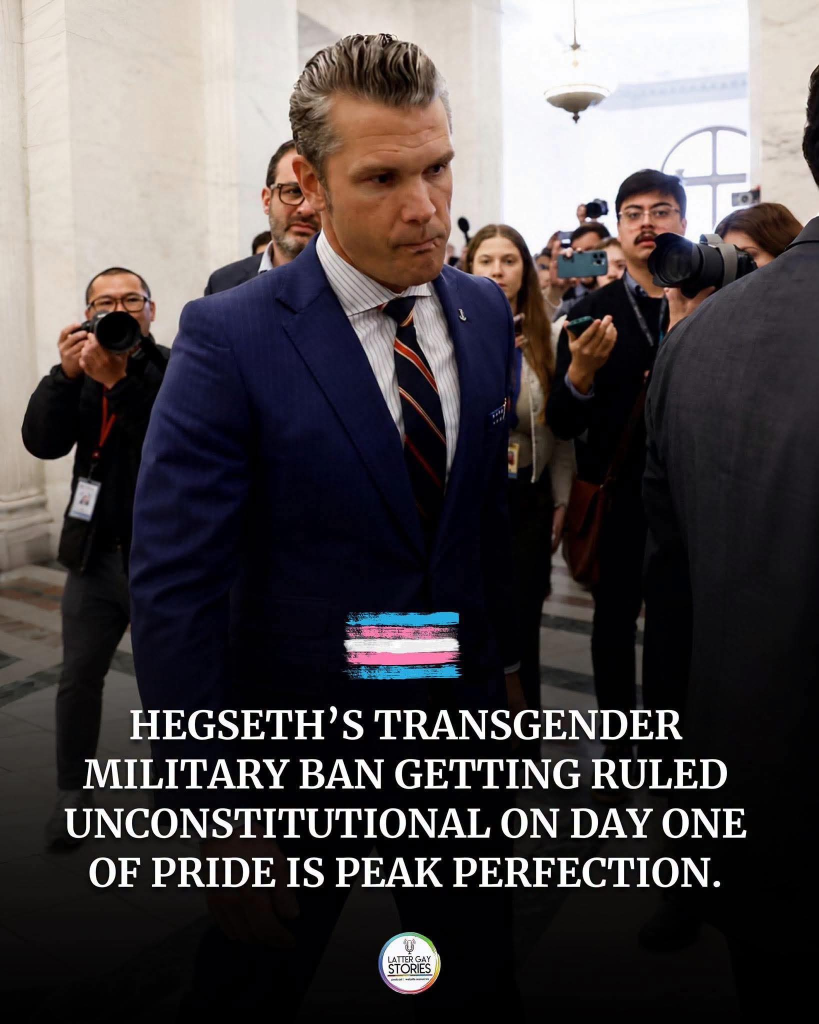
For visitors unfamiliar with the complexities of American federalism, however, the contrast can appear confusing and sometimes contradictory.
Tourism Caught Between Politics and Perception
The stakes extend far beyond politics.
Tourism remains one of the world’s most competitive industries, and perception matters.
Industry leaders have expressed concern that America’s increasingly polarized image may discourage some international visitors at a time when FIFA 2026 is expected to generate billions of dollars in economic activity.
Hospitality executives, destination marketers and travel associations have urged policymakers to make international visitors feel welcome regardless of political debates taking place inside the country.
The concern is particularly relevant for FIFA.
Football is the world’s most global sport. Its fans come from every continent, every culture and every political background. Many will arrive with expectations shaped not only by sports coverage but also by international reporting on American politics and social issues.
The World Is Watching
The United States remains one of the world’s most influential nations and one of its most recognizable tourism brands.
Millions of visitors will travel to America for FIFA 2026.
Many will discover vibrant cities, welcoming communities, world-class infrastructure and the extraordinary diversity that has long defined the American experience.
But they will also encounter a nation publicly debating who belongs, what freedom means and which values should shape its future.
For supporters of President Trump, that debate represents a necessary reassertion of national identity, border security and cultural confidence.
For critics, it represents a retreat from the openness and pluralism that helped define America’s global image for generations.
As Germany’s national team settles into Chicago and other teams arrive from across the globe, the world is not only preparing to watch football.
It is preparing to watch America.
FIFA 2026 may become more than the largest sporting event ever held in North America. “It may also be a moment when millions of international visitors draw their own conclusions about a nation still wrestling with what it means to be the “Land of the Free.”