


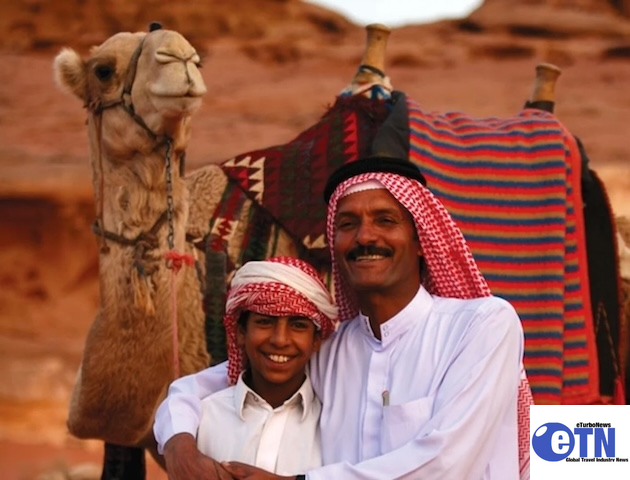
Dubai’s innovative US$817 resident invitation campaign could become a blueprint for rebuilding tourism confidence across the Middle East. As war headlines and global travel advisories fuel fear, destinations like Jordan demonstrate that reality on the ground often differs dramatically from public perception—and that personal trust may be tourism’s most valuable marketing tool.
Dubai – Abu Dhabi – Amman – The war between the United States and Iran continues. Peace talks appear to have produced little more than hopeful headlines. Military analysts speculate about retaliation, social media feeds are filled with drones and explosions, and television news often leaves the impression that the entire Middle East is on the brink.
Yet there is another story—one that millions of travelers never see.
- Dubai International Airport remains one of the world’s busiest airports.
- Doha is welcoming visitors as usual.
- Hotels across the UAE continue opening, expanding, and serving guests.
- Restaurants are full. Shopping malls are buzzing. Beaches are busy.
In Jordan, visitors continue exploring Petra, floating in the Dead Sea, hiking through Wadi Rum, and enjoying the hospitality for which the Kingdom has become famous.
For tourists actually visiting the region, the war often seems to be happening somewhere else. The biggest battle today may not be fought with missiles.
It may be fought with perception.
When Fear Becomes the Enemy
The US State Department recently issued a worldwide travel caution advising Americans overseas to exercise increased vigilance because of the possibility of Iranian retaliation against US interests.
Nobody questions the responsibility of governments to inform and protect their citizens. But there is an unintended consequence.
Many travelers do not distinguish between a worldwide precaution and a warning against traveling to a particular destination.
They simply hear “Middle East.”
- Vacations are canceled.
- Flights are postponed.
- Hotel reservations disappear.
- Tour operators lose business.
- Thousands of tourism employees pay the price—not because their destinations are unsafe, but because fear has become more powerful than reality.
Headlines Don’t Check You Into Hotels

Spend five minutes scrolling through social media and the Middle East appears to be engulfed in conflict.
Spend five days in Dubai, Abu Dhabi, Doha, or Amman – and even Tel Aviv- and you may wonder whether the people producing those headlines have actually been there.
- Airports are functioning.
- Hotels are operating.
- Tour guides are working.
- Restaurants are serving world-class cuisine.
- Shopping remains among the best anywhere.
Of course, no responsible journalist should dismiss genuine security concerns. Travelers should remain informed and monitor official advice.
But neither should the travel industry allow entire countries to become collateral damage because of events occurring hundreds or even thousands of kilometers away.
Dubai’s Brilliant Answer: Trust Your People

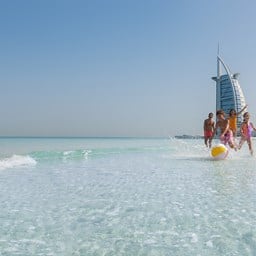
Your Guide to a Stopover in Dubai | Top Things to Do in Dubai | Visit Dubai
Get top tips on experiencing the best Dubai weekend holiday or city break. Use the Visit Dubai guide and how-to video to plan a short Dubai itinerary today.
Dubai may have found one of the smartest tourism marketing ideas in years.
Instead of spending millions convincing strangers to visit, the emirate is asking the people who already live there to do the talking.
Through the “A Dubai Invite” campaign, UAE citizens and residents who invite overseas friends and relatives to visit Dubai can receive benefits worth more than AED 3,000 (approximately US$817) in hotel stays, restaurants, attractions, transportation, and leisure experiences.
The concept is brilliantly simple.
- Who would you trust more?
- An influencer paid to promote a destination?
- A government advertisement?
- Or your best friend who lives there and says:
“Everything is normal. Come and visit.”
- Tourism has always been built on trust.
- Dubai simply found a way to reward it.
The World’s Best Tourism Ambassadors Already Live There
The campaign recognizes something the tourism industry sometimes forgets.
- The best marketing department isn’t inside a tourism board.
- It’s the people.
- Residents speak with authenticity.
- Friends believe friends.
- Families believe families.
- Former visitors often remain emotionally connected to destinations long after they return home.
- That emotional connection is worth more than another glossy television commercial.
Jordan Should Pay Attention
Jordan may not have Dubai’s financial resources.
Few countries do. Offering incentives worth US$817 to every participating resident simply isn’t realistic.
But Jordan possesses some money cannot buy.
The People of Jordan
Jordanians have built friendships across the world through tourism, education, business, diplomacy, and family connections. Many maintain close relationships with former visitors who return repeatedly because they fell in love not only with Petra or Wadi Rum, but with the warmth of the Jordanian people.
Almost everyone working in Jordan’s tourism industry speaks excellent English. Communication with friends, former guests, overseas relatives, university classmates, and business contacts comes naturally.
Imagine a campaign encouraging Jordanians to invite those friends back.
- The reward wouldn’t have to be extravagant.
- Hotels with low occupancy could offer complimentary upgrades.
- Restaurants could provide welcome dinners.
- Tour operators could include discounted excursions.
- Tourism attractions could provide complimentary admission.
- Airlines could join with promotional fares.
Instead of spending millions trying to convince strangers, Jordan could encourage its own citizens to reconnect with people who already know and trust the country.
No influencer has the credibility of someone saying:
“You stayed with us before. We’d love to welcome you back.”
Jordan Has Already Proven Itself

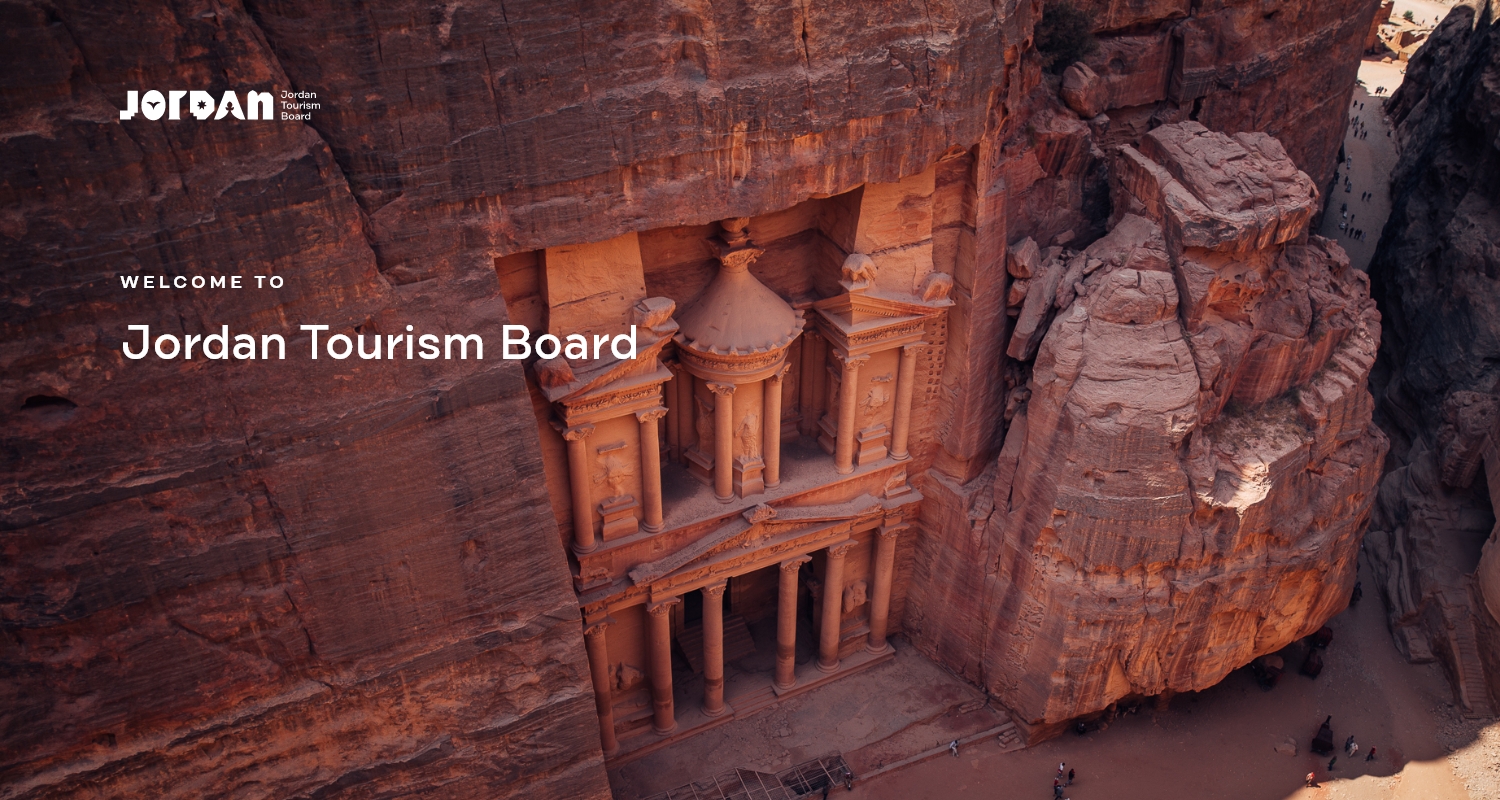
Visit Jordan
The Official Website of The Jordan Tourism Board
For years, Jordan has found itself geographically sandwiched between some of the world’s most volatile regions.
Yet time after time, the Kingdom has demonstrated professionalism, stability, and an extraordinary commitment to visitor safety.
Even during periods of increased regional tension, Jordan’s tourism sector has continued to operate responsibly.
Visitors rarely remember military headlines.
- They remember drinking tea with Bedouins in Wadi Rum.
- They remember watching the sunset over Petra.
- They remember floating effortlessly in the Dead Sea.
Most of all, they remember the people.
That may be Jordan’s greatest competitive advantage.
Tourism Doesn’t Need Better Advertising
It Needs More Confidence.
The greatest threat facing Middle East tourism today isn’t necessarily the conflict itself.
It is the perception created by nonstop headlines and viral videos that paint an entire region with one broad brush.
- Fear travels around the world in seconds.
- Reality moves much more slowly.
- The tourism industry cannot stop wars.
- It cannot control diplomacy.
- It cannot dictate media coverage.
- But it can rebuild confidence.
Dubai’s new invitation campaign demonstrates that the future of destination marketing may be less about advertising budgets and more about trusted relationships.
The idea deserves attention far beyond the UAE.
- Jordan could adapt it.
- Egypt could adapt it.
- Oman could adapt it.
- Even destinations outside the Middle East facing perception challenges could learn from it.
Sometimes the most effective tourism campaign isn’t a television commercial.