


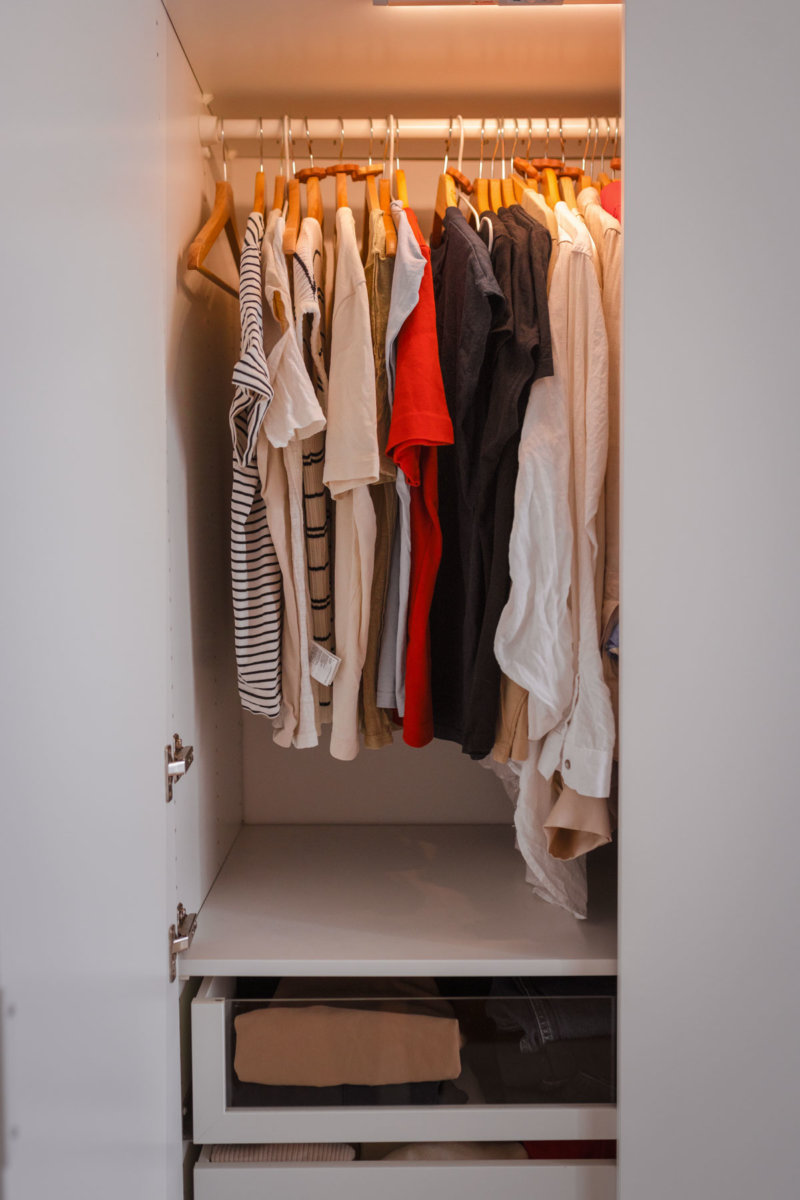
Hand on heart: How many times have you bought a piece of clothing that you really liked in the store – only to realize when you got home that it actually only goes with a single pair of pants or a specific skirt? This happened to me more often in the past. Even though my closet was getting fuller and fuller, I still often felt like I had nothing to wear. At some point I realized that it’s not about owning as many items of clothing as possible. What is much more important is how well the individual parts can be combined with each other. A well-thought-out wardrobe does not consist of countless trends, but rather of selected key pieces that always enable new outfits. It is precisely this principle that has permanently changed the way I look at fashion: instead of just looking at the number of items of clothing I have, I now pay attention to how many different looks I can put together with a single item. This not only saves time and money, but also ensures that my wardrobe becomes much more versatile.

This principle is particularly clear when it comes to accessories. A distinctive belt, a special necklace or eye-catching earrings can immediately give an outfit a completely different character – without you having to change your entire styling. Small details are often enough to make a simple basic outfit appear more high-quality, modern or individual. That’s exactly why I prefer to invest in stylish pieces of jewelry today rather than the fifth white blouse or the next sweater that ends up being worn only rarely. High-quality jewelry often accompanies me for many years, can be combined again and again and suits a wide variety of occasions. If you also rely on second-hand jewelry, you extend the life cycle of beautiful materials and at the same time conserve resources. This means you can always create new looks with just a few, consciously selected favorite pieces – without having to have an overcrowded wardrobe.
Why a few key pieces carry the entire wardrobe
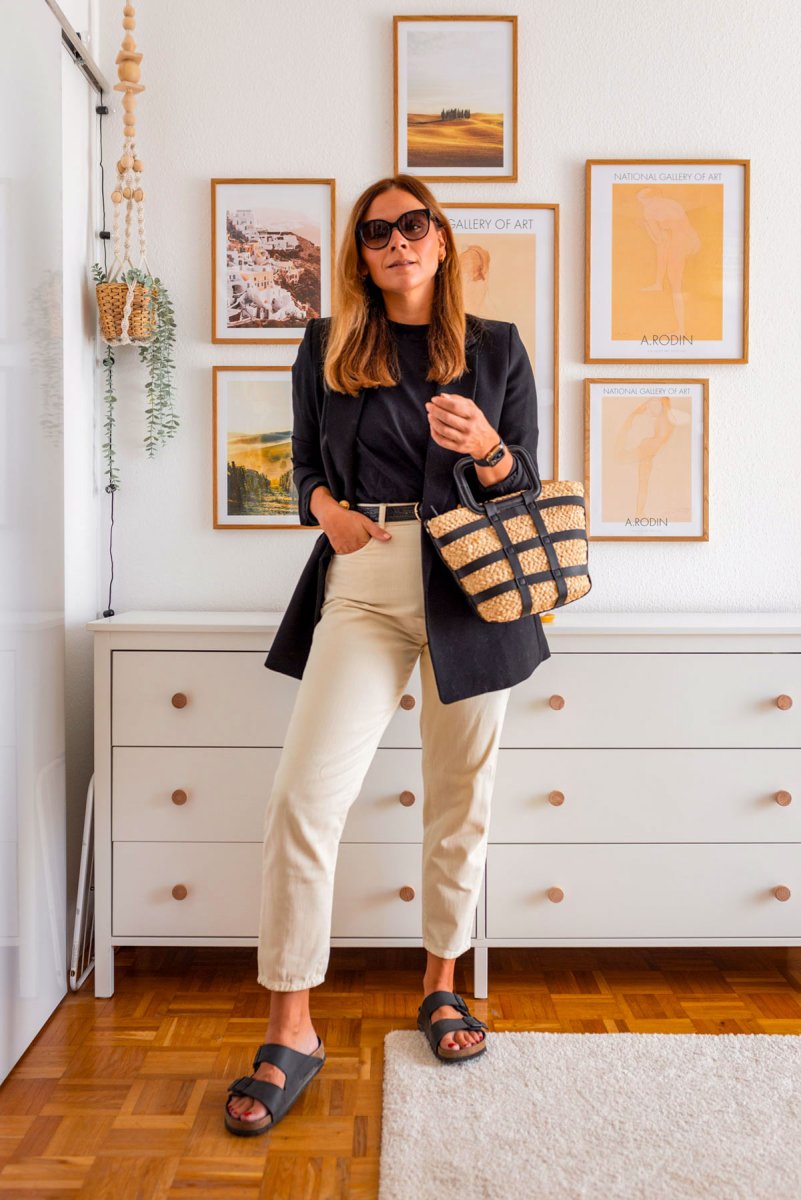
A well-chosen piece of clothing can often do much more than you might think at first glance. It can be combined again and again and suits very different occasions. A classic blazer looks elegant in the office, enhances jeans in everyday life and looks just as good over a dress in the evening. A silk scarf immediately gives a simple T-shirt that certain something and can also serve as a light scarf on cooler days.
For me, this is exactly the difference between a spontaneous fashion purchase and a real favorite piece. The more versatile a piece of clothing can be combined, the more often I wear it – and the less often I feel like I have to constantly buy something new. Instead of filling a wardrobe with as many items as possible, today I prefer to focus on a few key pieces that allow me to create new outfits again and again. This not only saves space and money, but also makes daily dressing much easier.
Recognize quality before a garment wears in
If you want to shop more consciously, you should pay attention not only to style, but also to quality. High-quality materials such as wool, linen or cotton are often more durable and retain their shape even after many washes. But even small details reveal a lot about the workmanship: Are the seams neatly finished? Are zippers easy to open and close? Does the material feel comfortable and high-quality? Even a quick look can help you better assess the quality of a piece of clothing.
Over time I have learned to take a closer look rather than be annoyed later about a bad purchase. Clothes that are well made and can be combined in a variety of ways usually last me much longer. If you would like to delve deeper into this topic, you will find well-founded tips for a responsible approach to fashion here. There you will learn more about materials, manufacturing processes and conscious purchasing decisions, among other things.
The multiplier principle: With just a few pieces you can create many outfits
We often underestimate how many different outfits can be put together with just a few items of clothing. What matters is not the size of the wardrobe, but how well the individual items can be combined with each other. Even a small selection of basics, complemented by a few versatile favorite pieces and accessories, opens up a surprising number of possibilities.
- 5 basic parts form the basis: for example a pair of jeans, a pair of trousers, two tops and a dress.
- 2 key piecessuch as a blazer and a cardigan, significantly expand the possible combinations.
- 3 accessories such as a necklace, a silk scarf and a belt give every outfit a different character.
- The result: From this manageable selection you can already choose from 20 different looks Put together for everyday life, the office or special occasions.
This is exactly where the multiplier principle lies: not every new item of clothing automatically provides more variety. Often just a few, consciously selected additions are enough to keep discovering new combinations. So before the next item goes into your shopping basket, it’s worth taking a look at your own wardrobe – there’s often a lot more potential there than you realize in everyday life.
Buy consciously and combine cleverly in everyday life
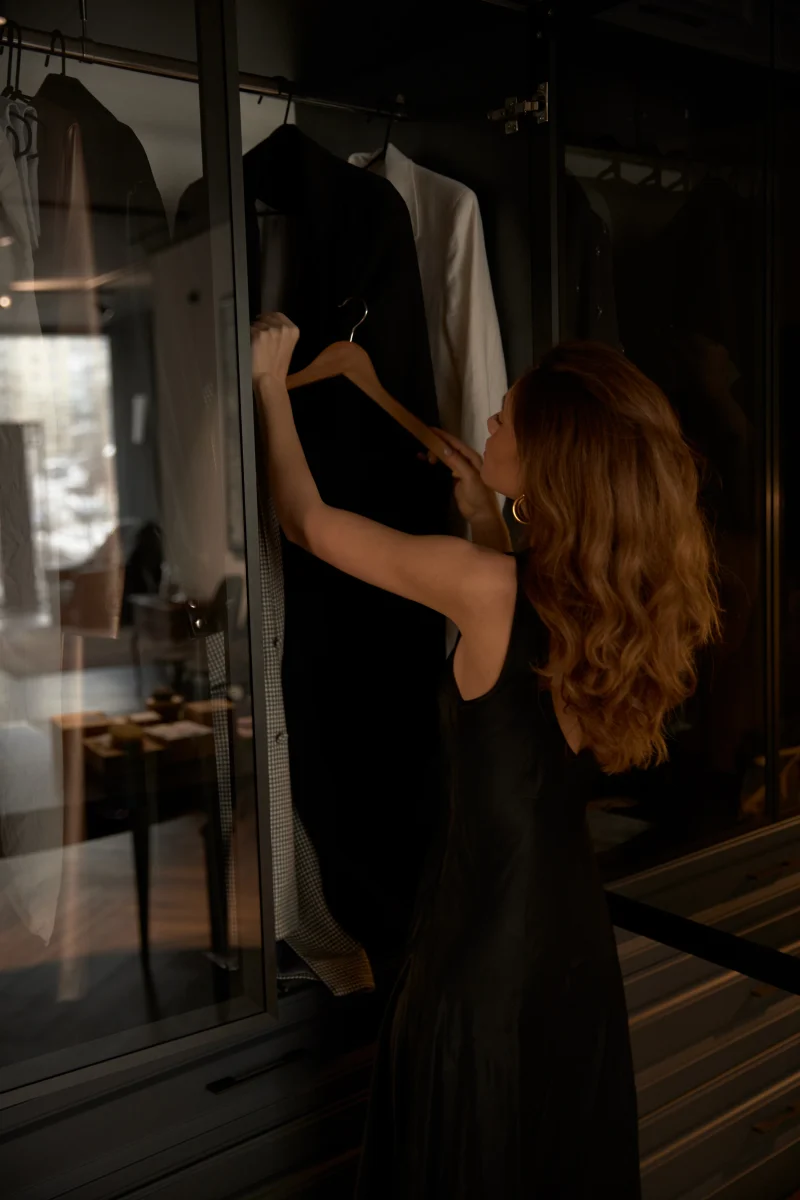
The most important step actually begins before you make the purchase. Conscious consumption does not mean a painful sacrifice, but rather choosing clothes that really fit your own style and your existing wardrobe. Before making a purchase, I like to ask myself a simple question: Can the new item be combined with at least three items of clothing that I already own? If the answer is yes, there’s a good chance it won’t end up in the closet unworn.
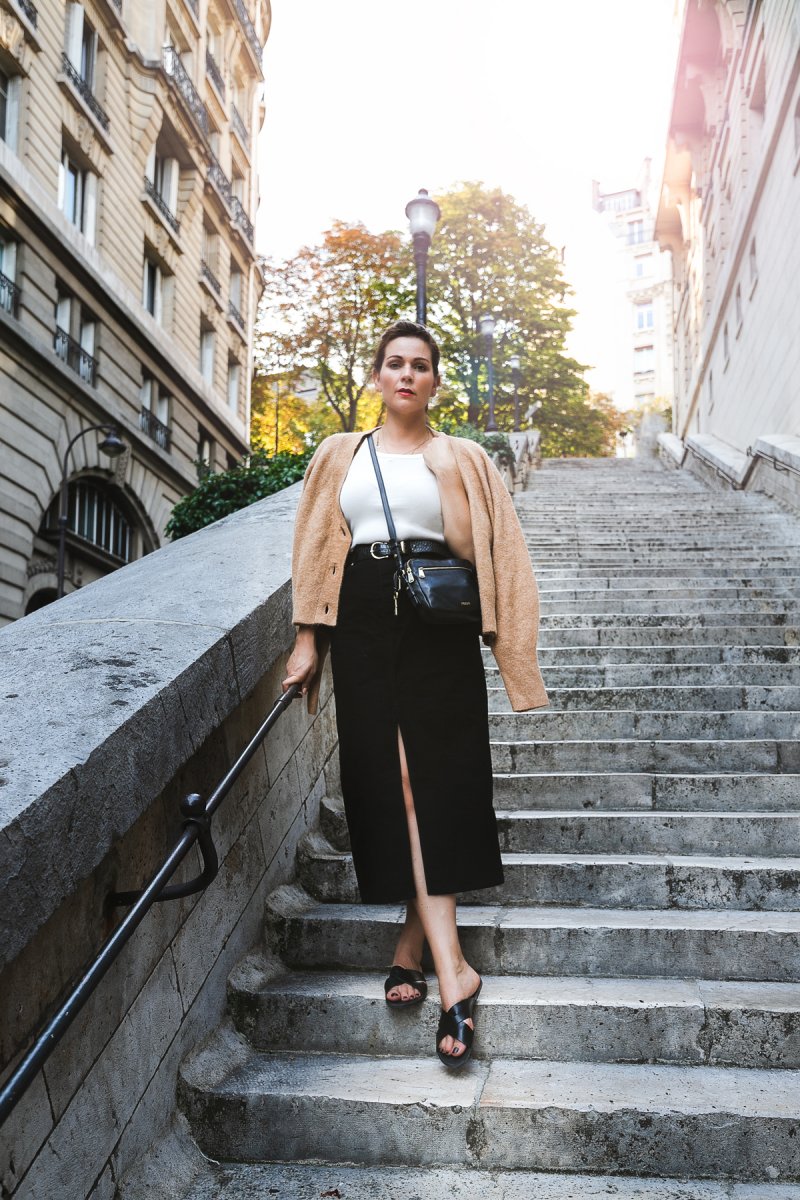
A harmonious color palette also makes everyday life much easier. Neutral tones such as beige, white, gray or navy blue can be combined in many ways and form a timeless basis. I prefer to add colorful accents with accessories because they can be quickly replaced depending on the occasion and always give an outfit a new effect.
A simple sheath dress looks instantly festive with a statement necklace and elegant shoes, while it gets a relaxed everyday look with sneakers and a denim jacket. For me, that’s exactly what makes a well-thought-out wardrobe: a few, versatile favorite pieces that can be combined again and again instead of always buying new clothes.
Second hand as part of the routine
Second hand has long been more than just a cheap alternative – for me it is now simply part of a conscious approach to fashion. Many items of clothing and accessories have barely been worn, are of high quality and often accompany their new owners for many years. It’s worth taking a look at the used market, especially when it comes to jewelry and branded accessories, because you can discover timeless favorite pieces at fair prices here. If you are looking for special pieces of jewelry, you will find, for example, at much too much a nice selection of stylish second-hand accessories.
Anyone who wants to build up their wardrobe over the long term also benefits from a clear structure. Our design of a minimalist capsule wardrobe for autumn provides inspiration for this, showing how a versatile wardrobe can be put together with just a few items of clothing that can be easily combined. If you are then looking for specific outfit ideas, you will find numerous suggestions in our stylish autumn outfits for every day to combine basics in new and varied ways.
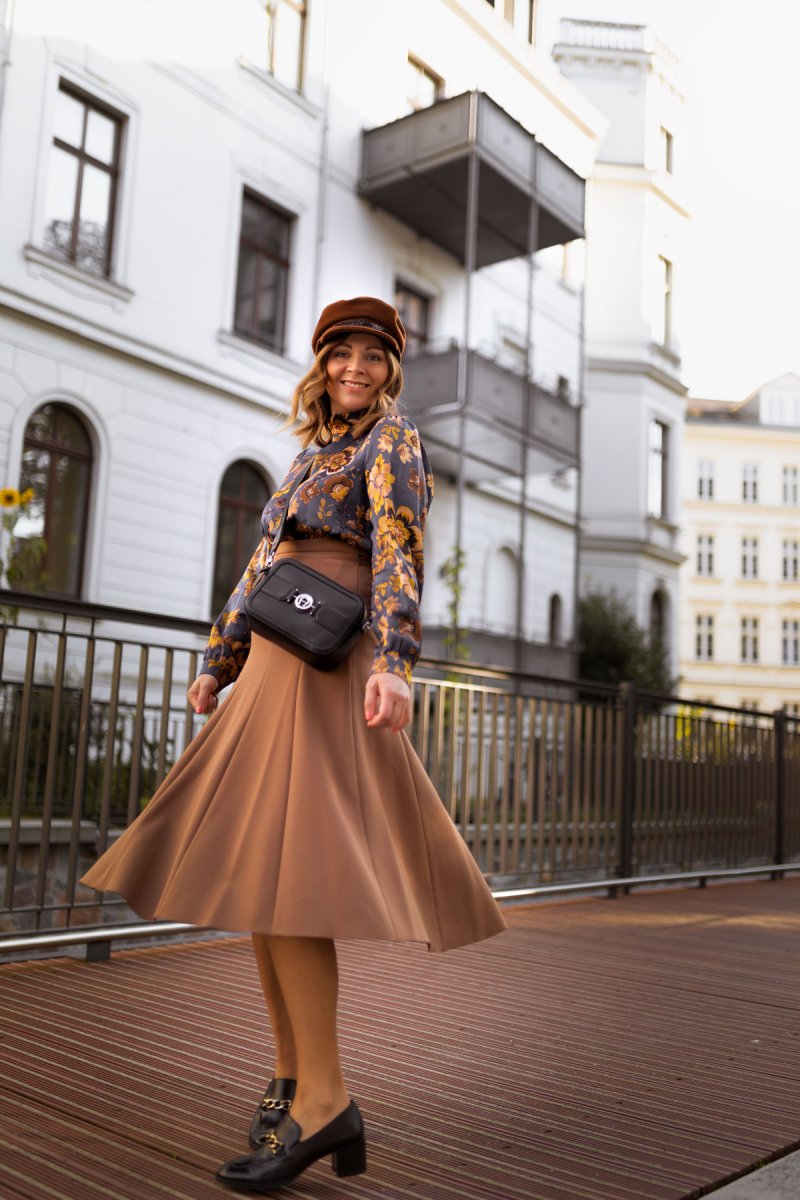
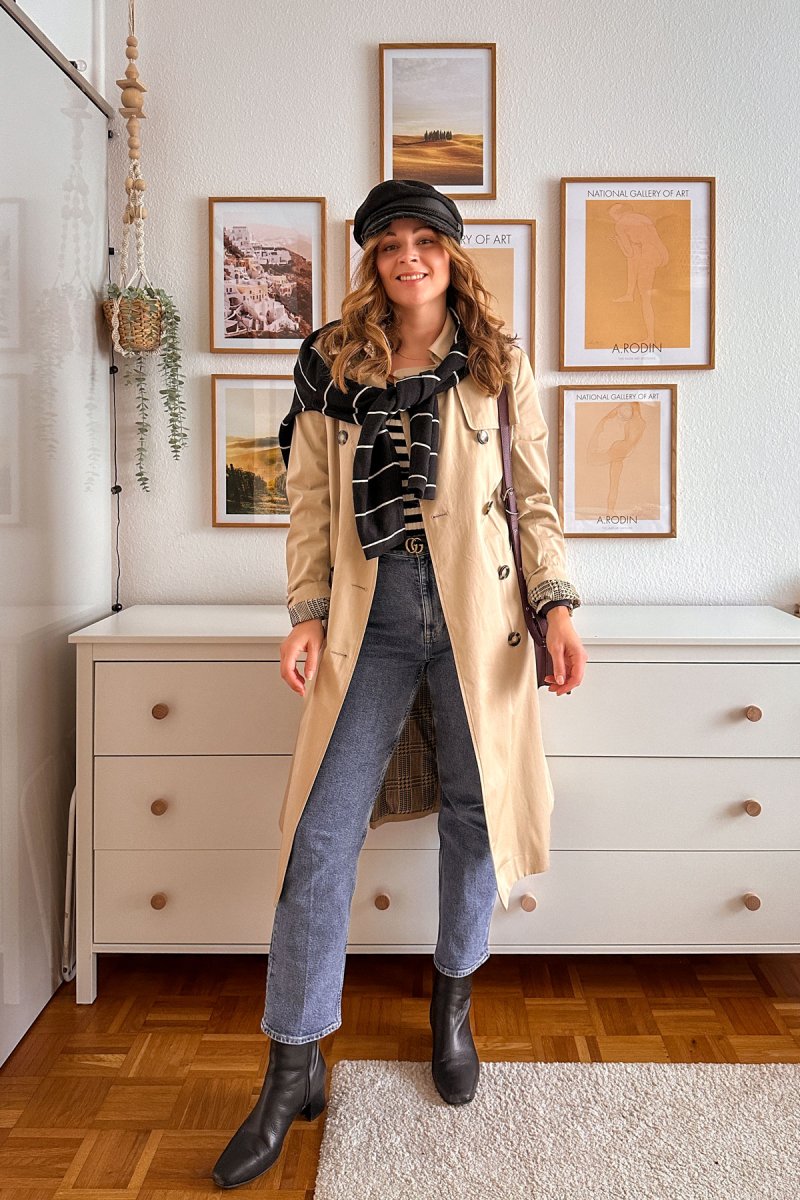
This is how conscious consumption becomes a permanent habit
A well-thought-out wardrobe doesn’t happen overnight. Rather, it is the small decisions in everyday life that make the difference in the long term. That’s why I consciously take the time to check my wardrobe once or twice a year. I honestly question everything that I haven’t worn in months. Some items of clothing find a new home through sale, donation or clothing swap – while also making room for things that really fit my style.
Over time, the view of fashion also changes. Instead of always buying new trends, I prefer to invest in versatile favorite pieces and selected accessories that can be combined again and again. This not only saves money and space, but also makes getting dressed much more relaxed every day.
In the end, for me it’s not about owning as little as possible, but rather having the right items in your wardrobe. If every piece of clothing is worn with pleasure and can be combined in many different ways, you automatically create a wardrobe that suits your own style – timeless, well thought-out and with significantly more joy in every single outfit.
Frequently asked questions
What mistakes do people make when building a minimalist wardrobe?
A common mistake is buying too many similar basics in the same color, which ends up creating chaos instead of clarity. It is also often underestimated how important the right fit is, because even a timeless item will never appear to be of high quality if it fits poorly. In addition, many people neglect care, which means that even good pieces wear out faster than necessary.
How do I know whether a piece of clothing is really versatile before buying?
A good test is the three-outfit rule: If you can immediately imagine three different looks with the item, it is a sensible investment. Also pay attention to neutral tones and simple cuts, as these are easiest to combine with existing pieces. Eye-catching patterns or colors often only seem appropriate for a single occasion.
Where can I find high-quality jewelry that goes with many different outfits?
Anyone who relies on the multiplier principle needs jewelry with a timeless design instead of short-lived trends. At much too much you will find stylish individual pieces of high-quality jewelry that have exactly this versatility and will become an anchor in your closet in the long term. This means you can invest in a piece that can be used to enhance dozens of combinations, instead of constantly buying new basics.
Is second-hand clothing really worth more financially than new clothing?
When it comes to high-quality materials such as wool, silk or leather, second-hand often pays off as the quality is usually significantly higher than cheaper new goods and the resale value remains stable. If you specifically look for well-known brands, you can often save thirty to fifty percent compared to the new price. When it comes to fast-moving fast fashion, however, the effort is rarely worth it, as these items have little stability in value anyway.
How often should I clean out my closet to keep it sustainable?
A six-monthly rhythm, for example at the change of season, has proven successful in practice. It helps to ask which items have actually been worn in the last six months; unworn items should be consistently sorted out and passed on. This keeps the closet tidy and creates space for really well thought-out new purchases.