
Armenia’s tourism sector is gaining momentum as a driver of economic growth and regional development. Backed by World Bank investment, the country is expanding beyond Yerevan. However, infrastructure gaps, low global visibility, and geopolitical risks remain key challenges to unlocking its full tourism potential.
Armenia’s tourism sector is entering a pivotal phase. Once a niche destination largely driven by diaspora visits, the country is now positioning itself as a competitive regional tourism hub. Backed by international investment—most notably from the World Bank—and renewed government focus, tourism is increasingly seen as a driver of economic diversification, job creation, and regional development.
Yet despite strong momentum, Armenia faces structural, infrastructural, and geopolitical challenges that could determine whether its tourism ambitions materialize or stall.
A Sector with Strong Foundations and Untapped Potential
Armenia’s tourism appeal rests on a unique combination of assets: ancient cultural heritage, dramatic landscapes, and a reputation for safety and affordability. The country hosts UNESCO-listed monasteries, mountain resorts, and a growing ecotourism sector.
Tourism has been steadily expanding for over a decade, with pre-pandemic arrivals surpassing 1.9 million visitors in 2019. = The sector has also become a major contributor to economic growth, with services—driven, partly by tourism, projected to grow strongly in the coming years.
Recent data suggests continued recovery and expansion: Armenia welcomed roughly 300,000 tourists in the first two months of 2026 alone, a 17% year-on-year increase.
Key Competitive Advantages
- Affordability: Armenia ranks among the cheapest travel destinations globally.
- Accessibility improvements: New low-cost airline routes and visa liberalization policies are expanding access.
- Various tourism products: Cultural, adventure, wine, and ecotourism offerings are growing.
World Bank Strategy: Tourism as a Tool for Local Development
According to the World Bank’s 2026 report, Armenia is shifting from a capital-centric tourism model toward regional cluster-based development.
The Tourism and Regional Infrastructure Project (TRIP) focuses on destinations such as Areni, Gyumri, Dilijan, Jermuk, and Goris, aiming to:
- Improve climate-resilient infrastructure
- Increase tourism’s contribution to local economies
- Generate jobs and support small businesses
This approach reflects a broader development goal: using tourism not only to attract visitors but to stimulate local economies, reduce regional inequality, and create employment opportunities.
A €120 million program is already targeting specialized tourism clusters—wine tourism in Areni, cultural heritage in Syunik, and nature-based tourism in Yeghegis.

Travel to Armenia | Official Tourism Guide & Tips
Travel to Armenia with the official tourism website. Find guides, tips, and inspiration to start your adventure and explore the beauty of Armenia today!
Current Situation: Growth with Structural Imbalances
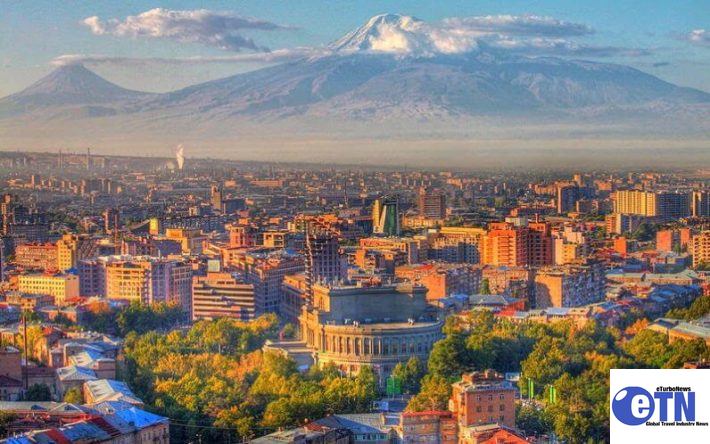
Despite growth, Armenia’s tourism sector remains highly concentrated in Yerevanwith limited spillover into rural regions.
Key Characteristics of the Current Landscape
- Urban concentration: Most visitors stay in the capital
- Short stays: Limited connectivity discourages extended travel across regions
- Seasonality: Tourism demand fluctuates sharply throughout the year.
The government has set ambitious targets—aiming to increase annual arrivals to around 2.5 million by 2026—but achieving this requires addressing systemic constraints.
Major Challenges Facing Armenia’s Tourism Sector
1. Infrastructure and connectivity gaps
One of the most significant barriers is limited infrastructure:
- Insufficient international flight connections
- Weak transport links between tourism sites
- Underdeveloped facilities outside major cities
These issues reduce visitor mobility and shorten average stays.
2. Low global visibility
Armenia remains underrepresented on the global tourism map.
- Limited marketing and brand recognition
- Competition from neighboring destinations like Georgia and Turkey
3. Skills and Service Quality
The tourism workforce faces gaps in training and service standards, which can affect visitor experience and repeat visits. ==
4. Regional Inequality in Armenia Tourism Development
Tourism benefits are unevenly distributed:
- Strong concentration in Yerevan
- Limited economic impact in rural areas
This undermines tourism’s potential as a tool for inclusive growth.
5. Geopolitical and Security Concerns
Regional instability—particularly tensions with Azerbaijan—has had a direct impact on tourism flows.
In some areas, such as border regions, tourism has declined sharply due to perceived risks, with reports of occupancy rates and revenues falling significantly.
6. Sustainability and Climate Pressures
Tourism development must also address:
- Environmental protection
- Climate resilience
- Sustainable infrastructure investments
Opportunities for Future Growth of Armenia Tourism
Despite challenges, Armenia’s tourism outlook remains promising if reforms are effectively implemented.
Strategic Opportunities for Armenia Tourism
- Diversification: Wine tourism, wellness retreats, and adventure travel can extend visitor stays
- Regional integration: Multi-destination itineraries across the Caucasus
- Digital promotion: Leveraging global platforms to boost awareness
- Human capital investment: Training programs to improve service quality
The World Bank emphasizes that integrated planning, infrastructure upgrades, and private-sector participation are key to unlocking the sector’s full potential.
Armenia at a critical juncture
Armenia stands at a critical juncture in its tourism development. The country has successfully established itself as an emerging destination with strong growth momentum, competitive pricing, and rich cultural assets.
However, the transition from growth to sustainability will depend on addressing structural weaknesses—particularly infrastructure, regional disparities, and global visibility—while navigating geopolitical uncertainties.
If ongoing reforms and investments succeed, tourism could become one of Armenia’s most powerful engines for inclusive economic growth, transforming not just the capital but the country’s regions as well.