





Favorite food of the Balinese
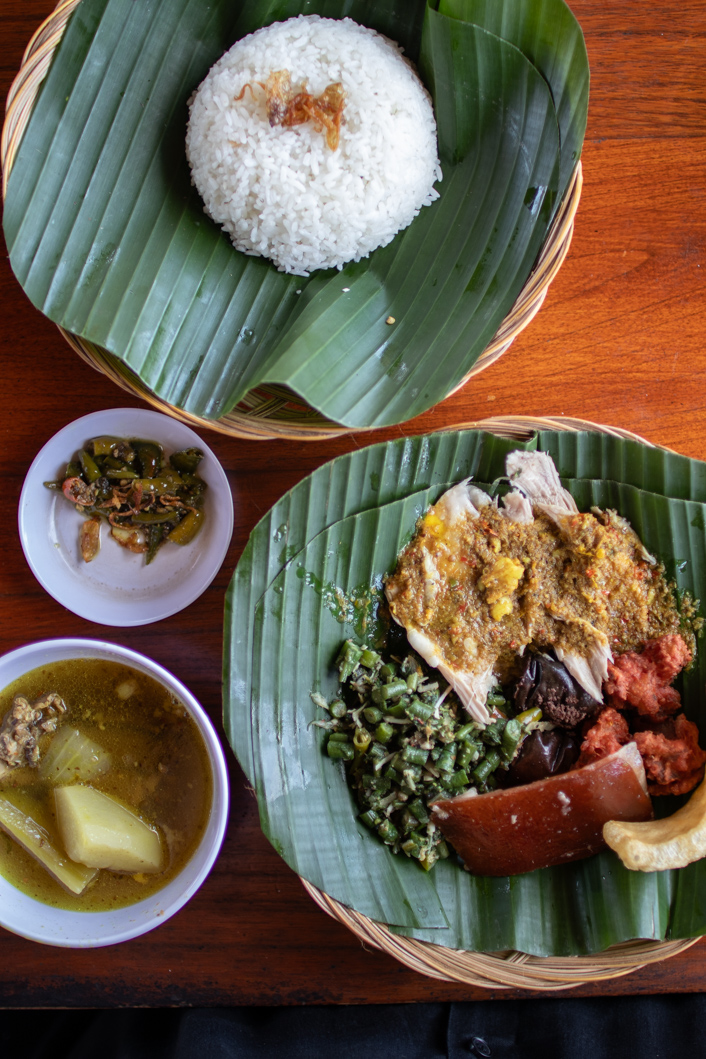
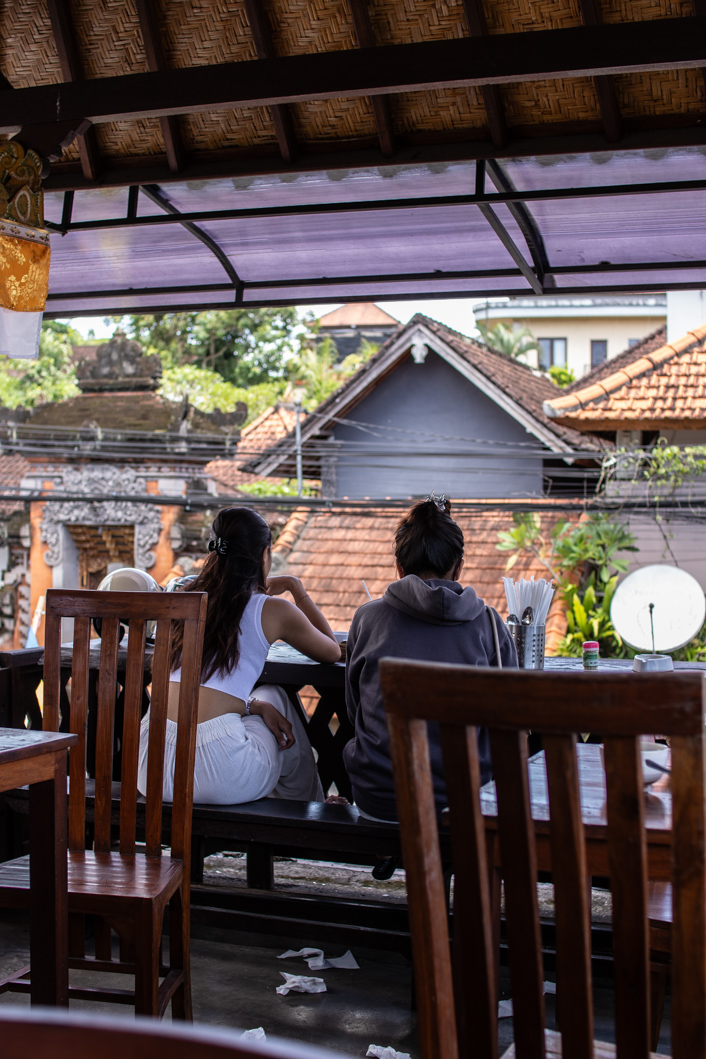
Without exception, everyone I asked here about their favorite food responded with “Babi Guling,” which could be translated as suckling pig. I once ate a terrific suckling pig in Portugal that was served with lots of garlic sauce and it’s burned into my memory. Would this be able to survive here in Bali? You have to hurry up for Babi Guling. The pigs are usually eaten by midday. So I collect recommendations and make my way to the center to a restaurant that is supposed to serve pretty good suckling pig. There is a small snake, not so bad that even in a hungry state you would change your mind. So while I wait, I watch as the pig, which is larger than the usual “piglet size” would suggest, steadily shrinks in size. But I still have a good chance of getting some of it. Fifteen minutes later I’m sitting on the roof of the restaurant and in front of me is a plate with meat, rind and various sauces, green beans and rice. The meat is deliciously tender. The different sambals make it varied, only the fatty-salty broth is a bit too much for me.
Babi Guling Gung Cung
Jl.suweta #23, Ubud
Juna – a work of art made of bamboo and successful “Asian fusion cuisine”
For all those who want not only good cuisine but also an architectural wow factor, Juna, which opened in 2025, is just the thing. Architect Pablo Luna has built an impressive building made entirely of bamboo in a quiet corner in the middle of Ubud. It is based on the traditional construction of Balinese houses, but goes far beyond that. You can only get to this restaurant on foot. The road that leads here is not accessible and there are some stairs that you have to climb. But it’s worth it.
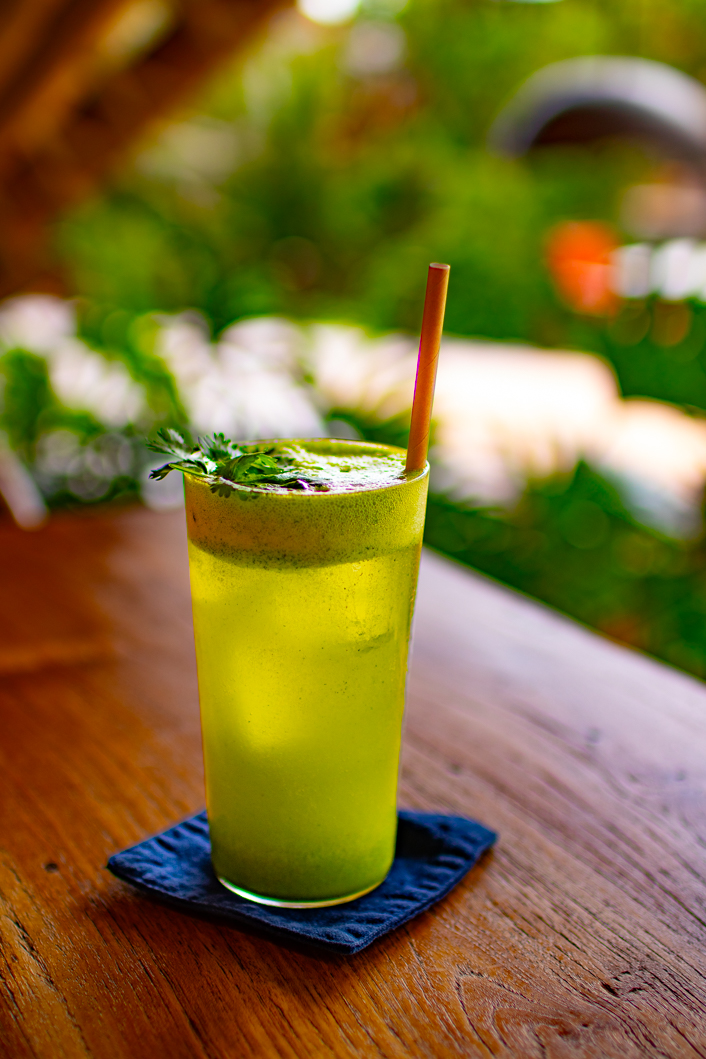
The cuisine is Asian “fusion cuisine”. Here a burrata meets Indian flavors, confit duck meets curry and halloumi from the tandoori oven meets sambals. I order a crispy rice salad. So great. The non-alcoholic cocktails are particularly great here. “Oscilantro” – a mix of osmantus, yuzu, coriander and tonic is my favorite.
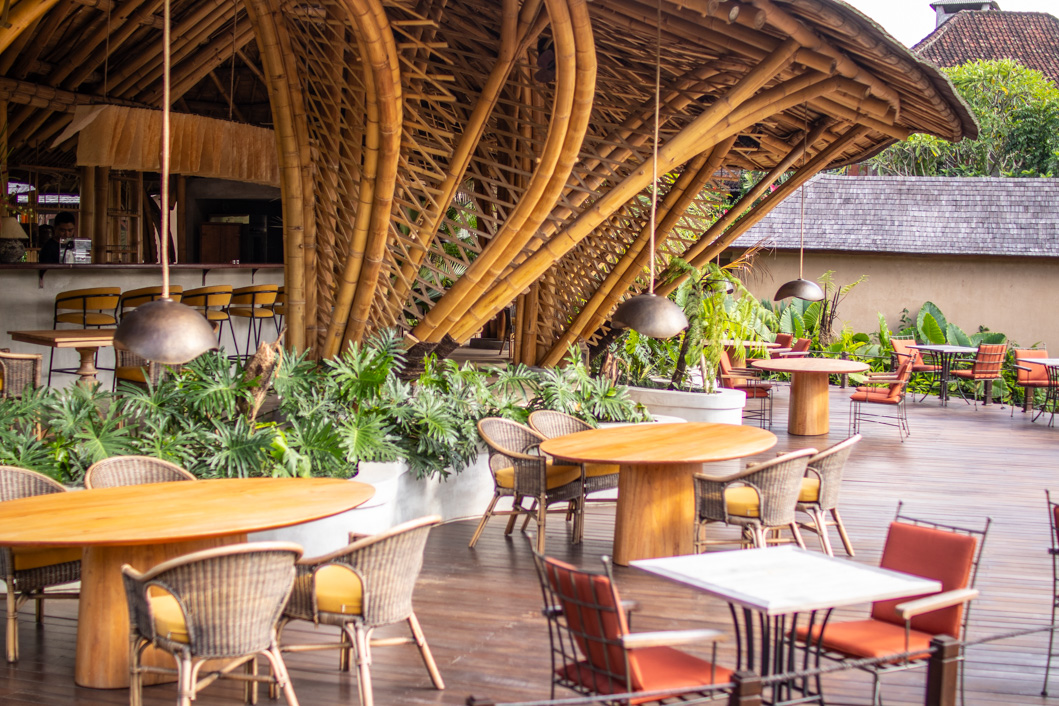
Juna
Jl. Arjuna, Ubud, Kecamatan Ubud, Kabupaten Gianyar, Bali 80571
Locavore NXT – brutally local
Anyone in Ubud who wants to see where Bali’s cuisine is currently heading will sooner or later end up at Locavore NXT: where fermentation, foraging and fine dining become a kind of edible blueprint for the future. That should be my highlight. A restaurant called Locavore previously existed in Ubud, but it closed in 2022. Now NXT, which stands for “next” and which thinks about the concept of sustainability and regionality even more consistently.
Eelke Plasmeijer and Ray Adriansyah, who are behind the concept, offer a comprehensive experience for the senses. The Locavore is completely dedicated to research and development. So how can you make something good even better? How can producers be better supported and how much can be produced directly on site?
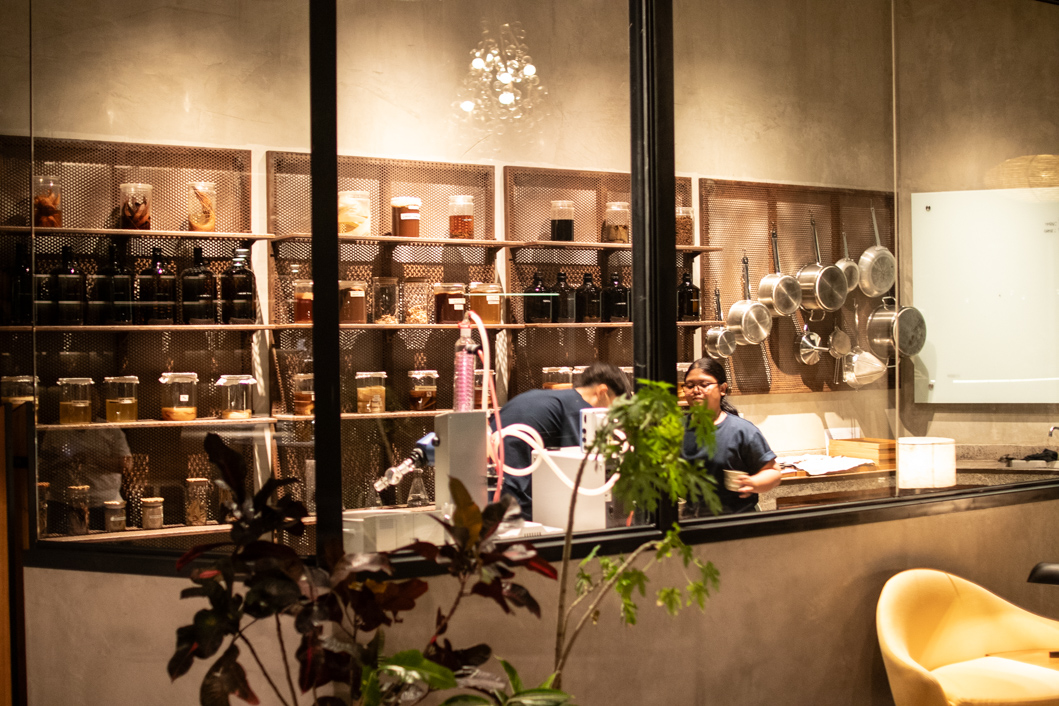
The evening begins with a visit to several stations. Past the laboratory where the mushrooms are grown. Maybe I should also mention at this point that the entire menu is wheat and dairy free. So if there is cheese here – and there is – this cheese does not have its origins in milk, but in a nut.
Some people may remember the cheese cart from other restaurants, but here there is a salad cart. A traveling herbarium that shows guests the entire plant and from which the leaves and flowers are freshly harvested onto the plate. And because everything here should be as local as possible, instead of an olive there is no olive, but a young date that tastes exactly like an olive because it was preserved in the same way. There is no ham, but a leather made from papaya, which tastes exactly like a salmon ham. Juicy and fatty – how that works with a low-calorie papaya is a mystery to me.
I drink kombucha with kombu seaweed, excitingly flavored water kefir and even miso is one of the non-alcoholic drinks. It’s the hottest non-alcoholic meal accompaniment I’ve ever had. Because if we’re honest – why would a French wine fit better here when all the ingredients on the menu are from the region without exception?
Sous chef Cole from Canada gives me a little “extra tour” after the meal. With him we visit Carlos, the fermentation master from Asturias, who shows me his tempeh creations. This is truly a “Koji Wonderland” that you may only know from reports from the Noma restaurant (Copenhagen).
Finally, I can choose between tea or coffee and I choose a tea blend made from hibiscus, cocoa shells, lemon basil, mace and ginger. Optionally there would also have been a locally grown chocolate with a milk made from glutinous rice, soy and cassava. I’ll try that next time.
The evening will resonate for a long time.
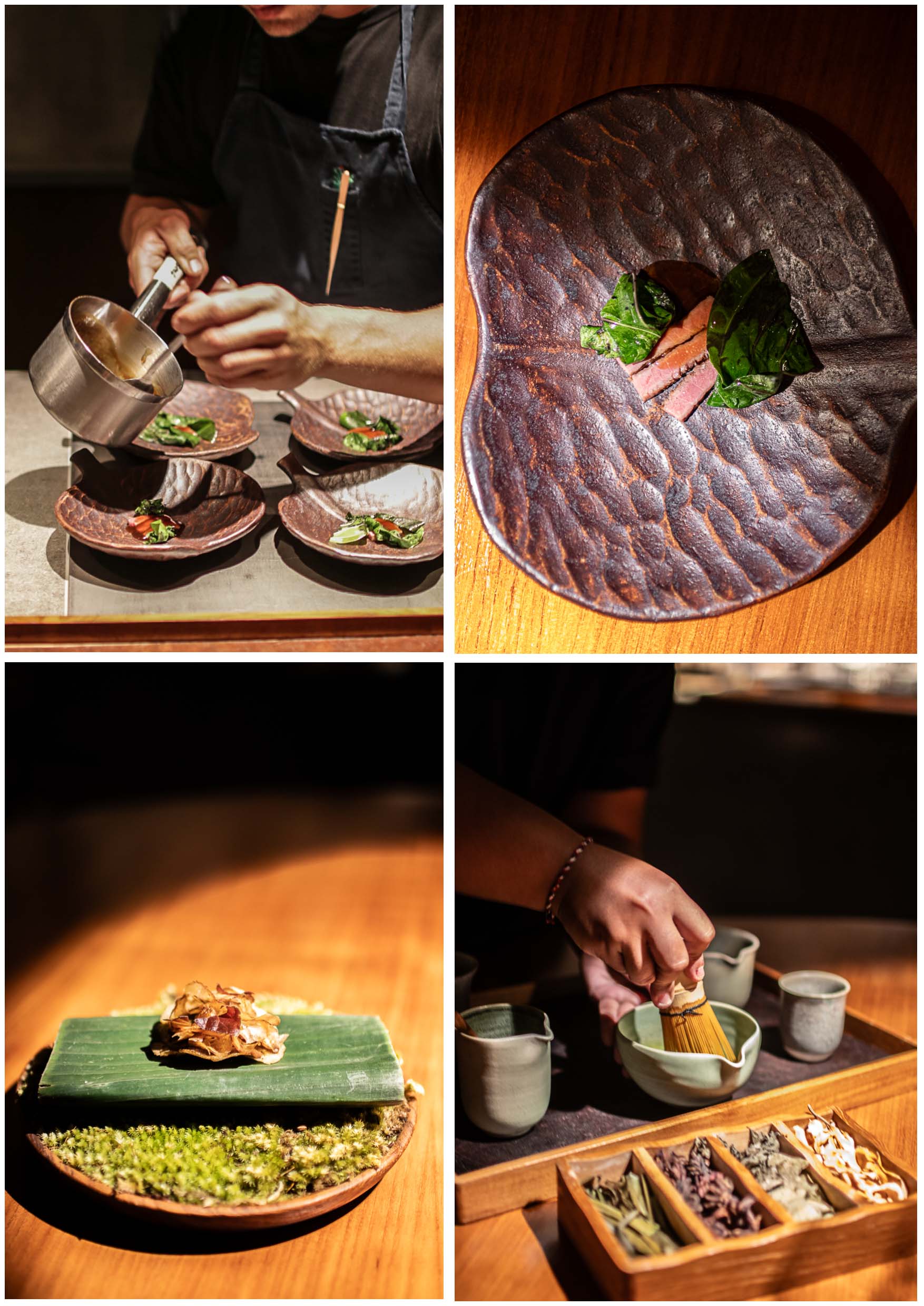
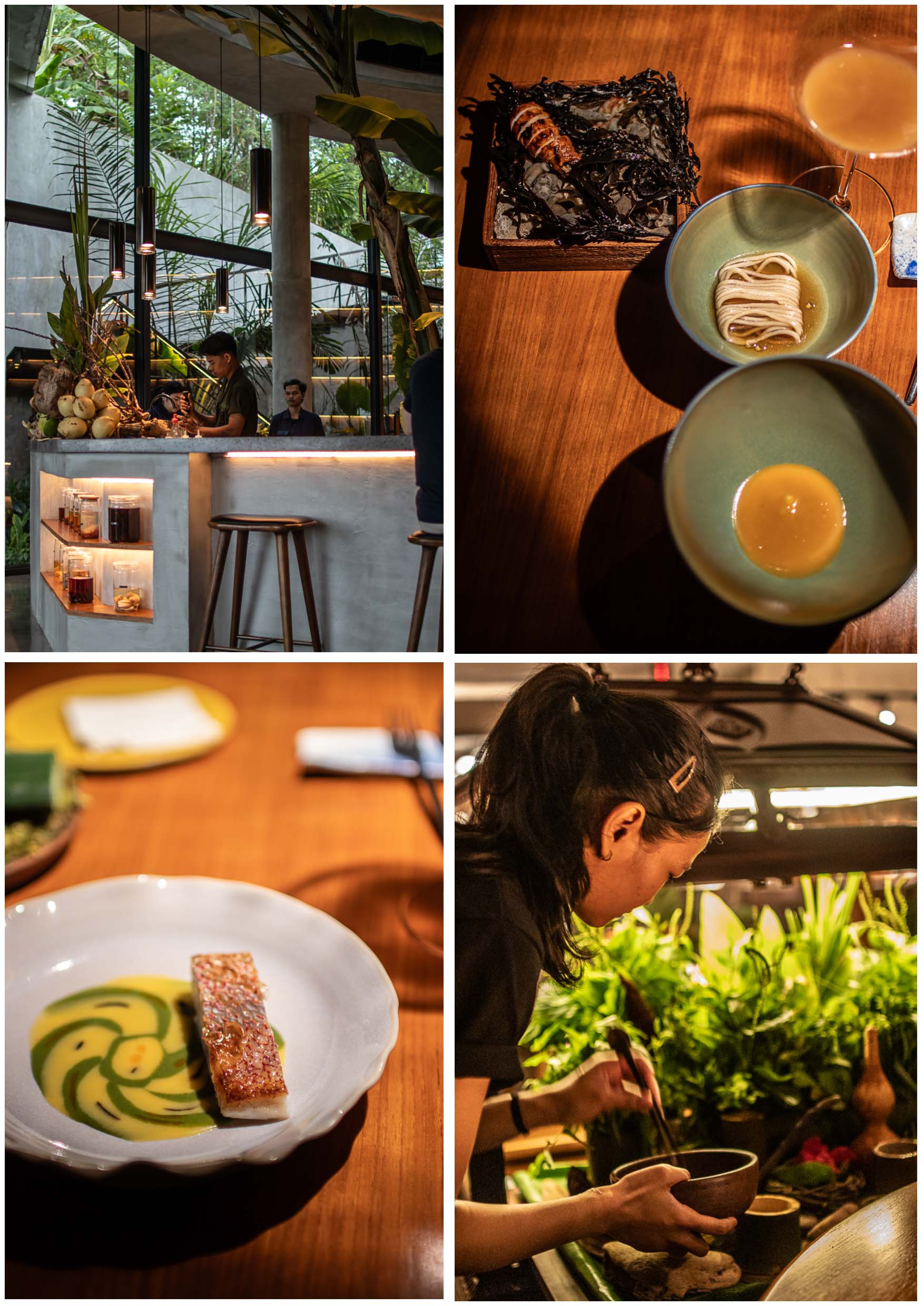
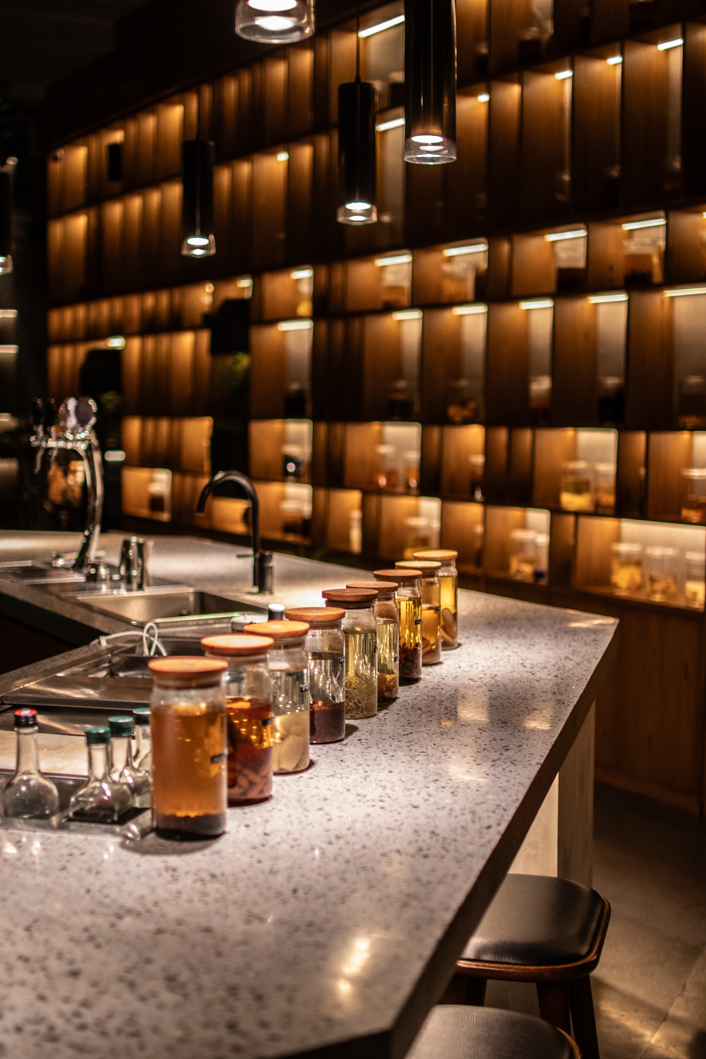
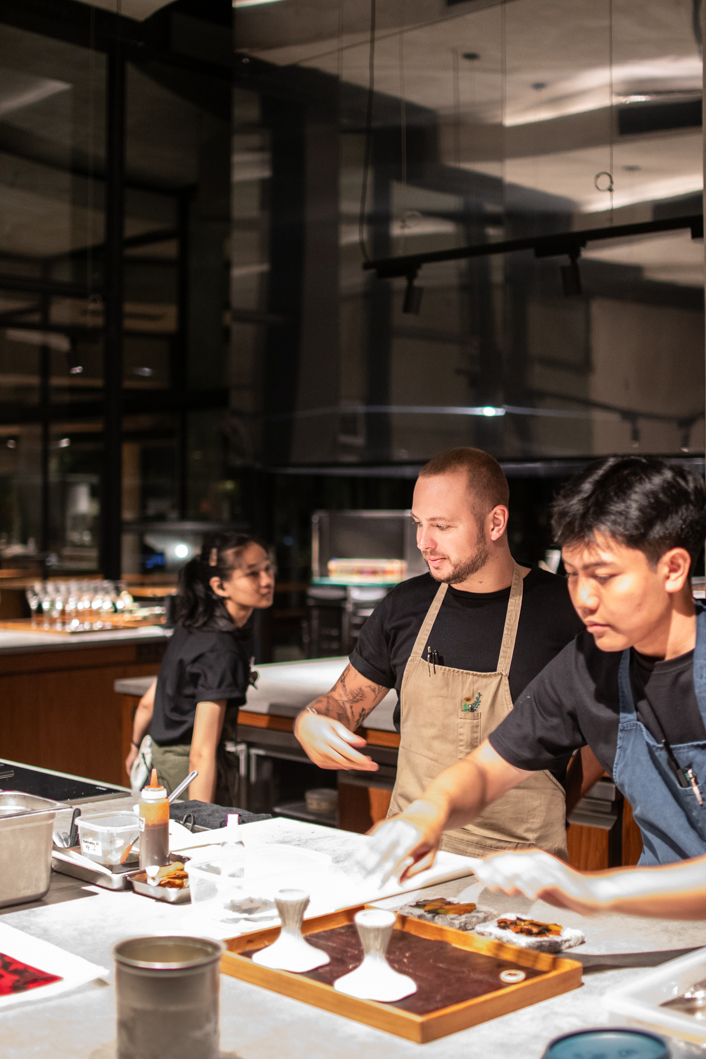


Locavore NXT
Jl. AA Gede Rai Gang Pura Panti Bija, Lodtunduh, Kecamatan Ubud, Kabupaten Gianyar, Bali 80571
and yet every day begins with breakfast
The landlord of my AirBnB in Ubud felt sorry for me. When he showed me the menu of what he could serve me for breakfast, where I had the choice between toast with jam or nasi goreng, I must have looked so unhappy that he offered to cook me nasi kuning. Nasi Kuning is yellow rice with all kinds of sauces around it, some of them very spicy, and it was fantastic. One morning he made me a congee, only to prepare my beloved Nasi Kuning again the next morning at my request. The congee thing wasn’t spicy enough for me. He had to laugh about that. And because I always bravely ate all the chili paste, I was given sweet tapioca balls with coconut as a farewell. I miss this. Really.
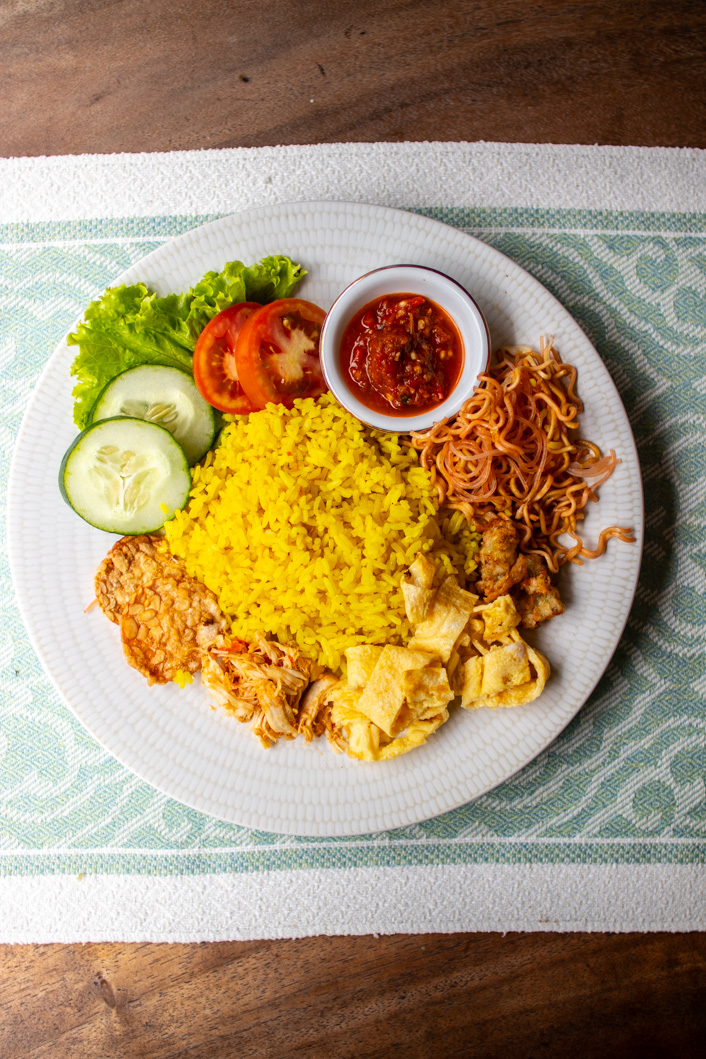
my Ubud breakfast Nasi Kuning
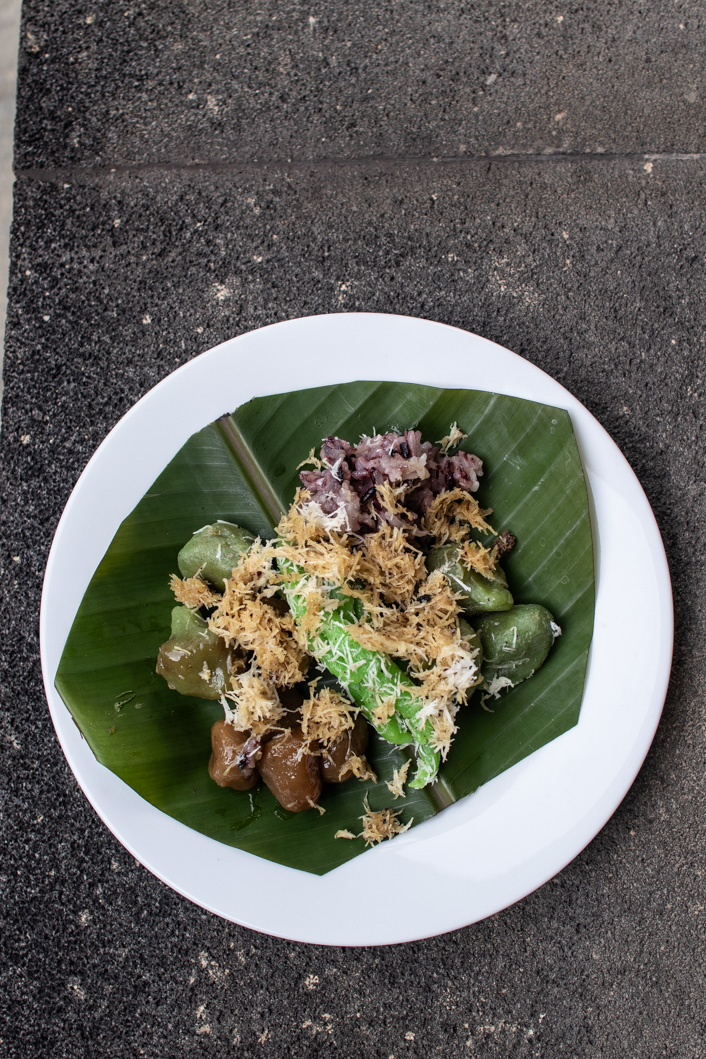
“sweet stuff” made from rice and tapioca
The Paon Bali Cooking Class
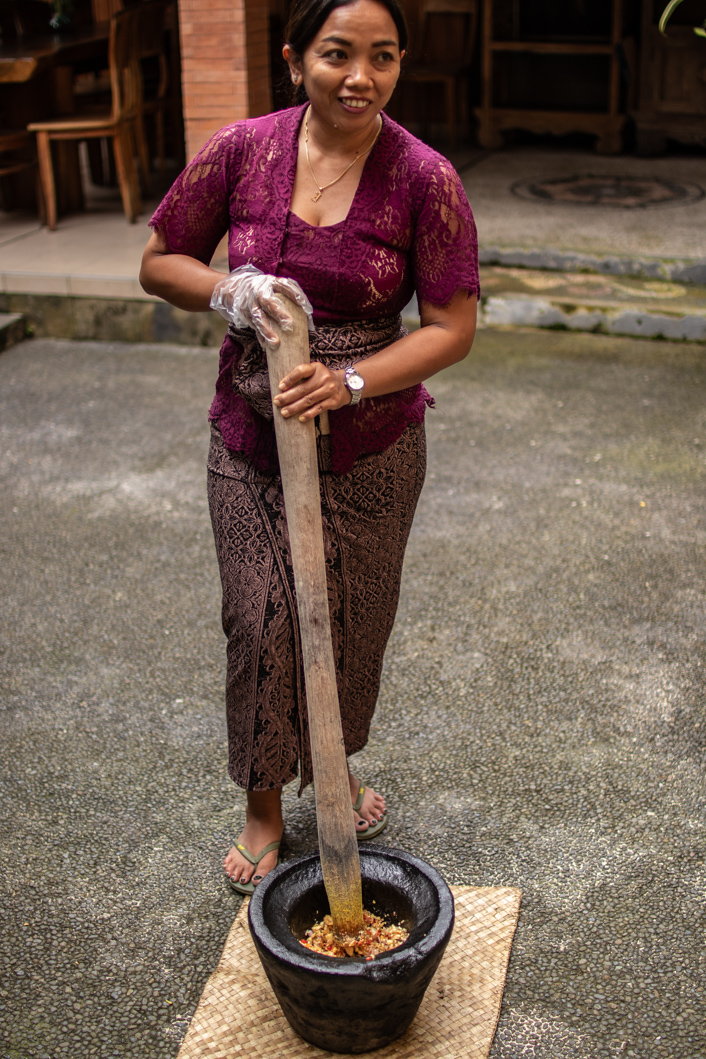
I’m often accused of saying that my recipes require a lot of ingredients. You have no idea what goes into a Bumbu Kuning – a basic yellow sauce. No less than 20 individual components. The easiest way is satay. Meat is chopped, seasoned, pressed onto bamboo sticks and then grilled. To do this, you have to grind peanuts in a mortar together with kerimi nuts, chili, tomatoes, galangal, kecap manis and water to form a paste. It’s quite a strenuous task, but it’s fun. Here I learn how to steam fish in a banana leaf, what makes a gado-gado and finally how tipat cantok (actually gado-gado only with rice cake) is made. There’s another reason why you definitely shouldn’t miss out on a cooking course: you get to get closer to the locals and get to know their house. Admittedly, I have to get used to the sweet soy sauce Kecap Manis, but then I love it. It is simply a central part of this kitchen.
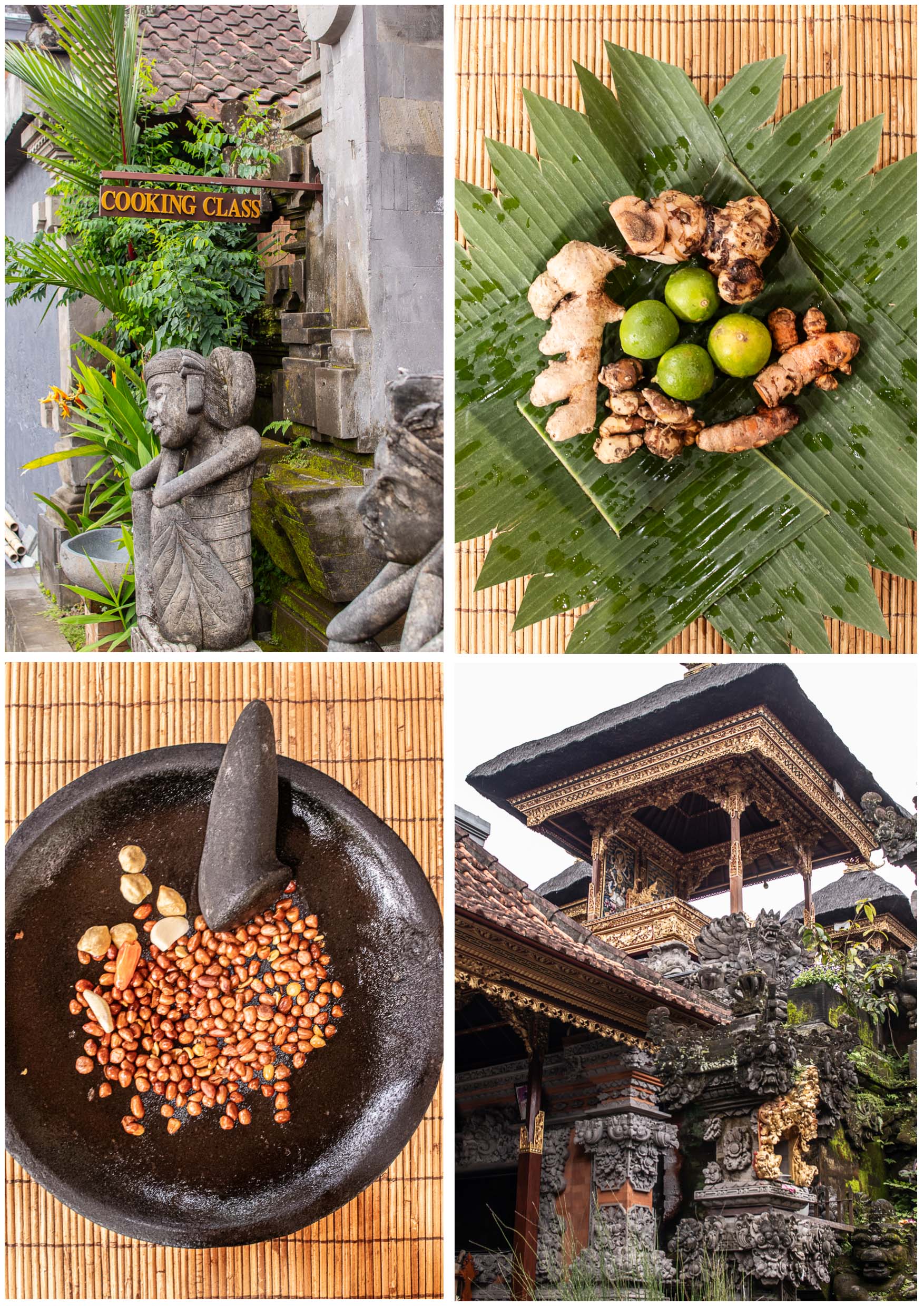
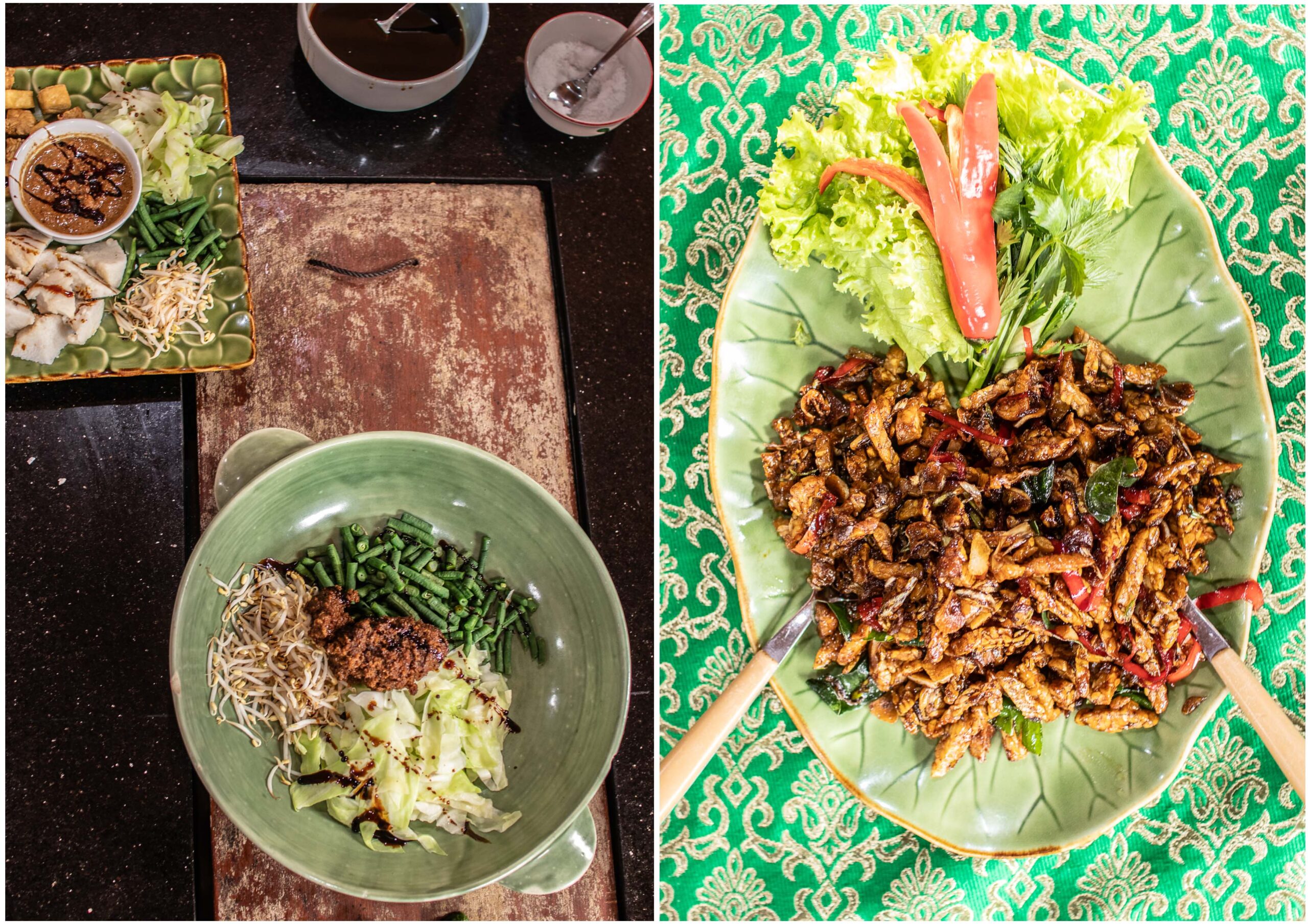


Paon Bali Cooking Class (You can get really great insights into Balinese cuisine here for a reasonable price)
Alan Raya Laplapan,
Petulu, Ubud, Bali 80552
Gaya Ceramics, the most beautiful plates in Bali
Whenever I’m in the ceramic wonderland, I forget to take photos. At least from the store. Gaya Ceramics is something like the ultimate in ceramics in Bali. Although the store doesn’t have everything they advertise on their homepage, the selection is wonderful. Many of the works that I had seen beforehand were commissioned for special restaurants (including Locavore NXT). And the offer changes often. So I calculate how much space I have left in my hand luggage and start collecting it. Two small bowls, a larger plate, another plate, another small plate. Except for one, everything is in matte plain, which is always best for photos. They feel wonderfully velvety.
What I hadn’t really considered is that everything was packaged very professionally. So a little more space will be necessary. I have to somehow cleverly hide this at check-in. It will succeed.
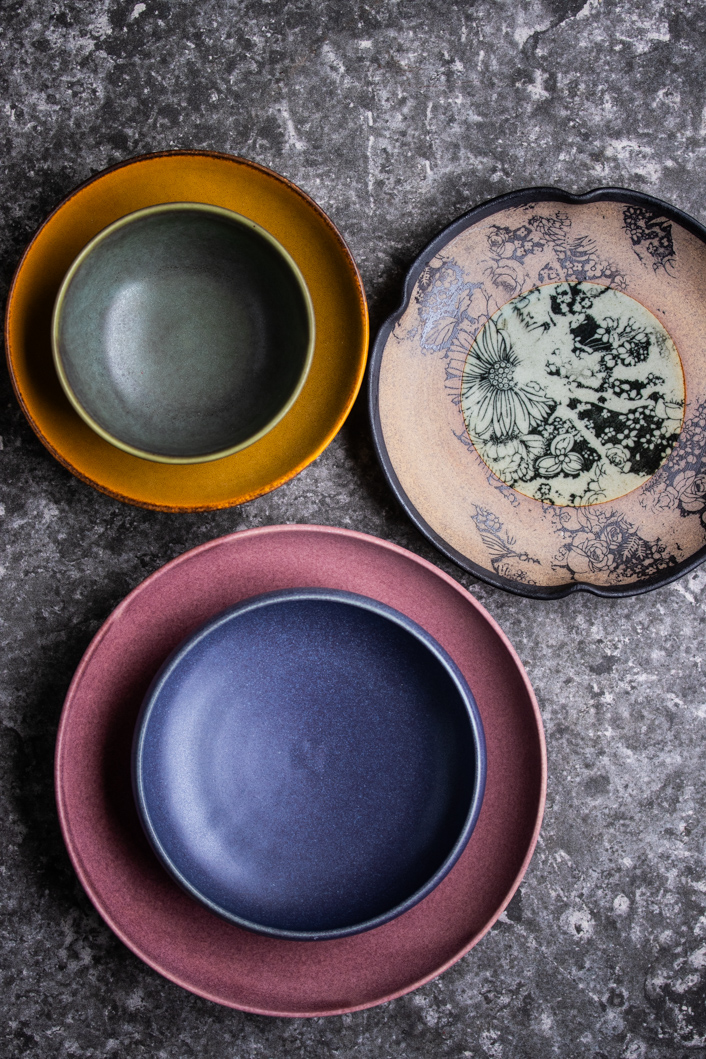
Gaya Ceramics
Jl. Raya Sayan 105, Ubud, Bali, Indonesia – 80571

