


Indonesia’s crackdown on foreigners allegedly working illegally in Bali’s tourism sector reflects a growing global challenge for tourism destinations. Similar debates in the United States show how immigration enforcement can reshape local economies, labor markets, destination branding, and the balance between protecting local jobs and sustaining international tourism growth.
Indonesia’s latest immigration crackdown in Bali’s trendy Canggu district is exposing a growing problem facing tourism destinations worldwide: foreign nationals working illegally in local tourism economies while operating in visa “gray zones.” Officials say the effort is designed not only to enforce immigration law but also to protect local jobs, preserve tax compliance, and restore confidence in Bali’s tourism sector.
According to reporting by The Bal Sun, Indonesian immigration authorities are targeting foreigners who use tourist or investor visas while engaging in tourism-related work ranging from influencer promotions and surf instruction to hospitality operations and digital marketing for local businesses. Authorities argue that many foreigners have blurred the line between tourism and employment, especially in hotspots such as Canggu, where international remote workers and lifestyle entrepreneurs have transformed the local economy.
The crackdown is part of a broader enforcement campaign that has been building for several years. Indonesian officials previously established a special Bali task force to monitor foreigners suspected of violating work and visa regulations. Authorities have repeatedly emphasized that tourist visas do not permit employment and that unauthorized work can undermine opportunities for local residents.
Tourism Success Creates Pressure
The situation in Bali reflects a paradox increasingly visible in global tourism destinations: the more successful and internationally connected a destination becomes, the harder it becomes to regulate informal labor and visa compliance.
In Bali, the tourism boom following the pandemic recovery has attracted thousands of long-stay foreigners, many of whom participate in the tourism economy without formal work authorization. Social media influencers, wellness coaches, digital nomads, photographers, and hospitality consultants often market themselves as “collaborators” rather than employees, complicating enforcement efforts.
Indonesian authorities argue that illegal employment not only deprives the government of tax revenue but can also distort local wages and create resentment among Balinese workers struggling with rising living costs in tourism-heavy communities like Canggu and Ubud.
Similar tensions in the United States
The challenges facing Bali mirror long-running debates in the United States tourism and hospitality industry.
In the US, sectors such as hotels, restaurants, agriculture, construction, and seasonal tourism have historically relied heavily on immigrant labor, including undocumented workers. Popular tourism states, including Florida, California, Nevada, and Texas, have repeatedly struggled with balancing labor demand against immigration enforcement.
American crackdowns on undocumented labor have often produced mixed economic consequences. Stricter enforcement can reduce illegal employment and increase wage pressure for local workers, but it can also trigger labor shortages, rising tourism costs, delayed hotel projects, and reduced service capacity during peak travel seasons.
Florida provides a recent example. Tougher immigration enforcement measures led many migrant workers to leave the state, prompting concerns from hospitality, agriculture, and tourism businesses that staffing shortages could affect visitor experiences and increase operating costs. Similar debates continue across US tourism markets where employers say domestic labor supply often cannot fully meet seasonal tourism demand.


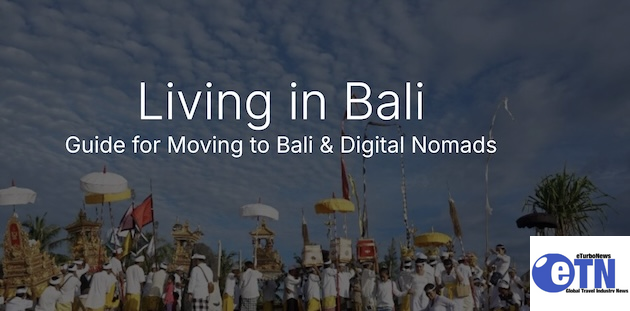
Living in Bali – Moving to Bali – Working in Bali | Bali Guide
Moving to Bali – Essential Tips & Expat Guide. Cost of living in Bali, moving with kids, permits and KITAS, owning a property in Bali, paying taxes in Bali, opening a business in Bali.
How Enforcement Can Reshape Destinations
Immigration crackdowns can dramatically change the identity and appeal of tourism destinations.
In Bali’s case, supporters of stricter enforcement argue that reducing illegal foreign work may help restore cultural balance and preserve opportunities for local entrepreneurs. Some officials believe unchecked foreign participation in tourism has contributed to overtourism, inflated property prices, and a growing disconnect between tourism profits and local communities.
Critics, however, warned that overly aggressive enforcement could damage Bali’s international image as an open and welcoming destination for creatives, entrepreneurs, and remote workers. Tourism economies increasingly depend on global mobility, and destinations that appear hostile or unpredictable risk losing long-stay visitors to competitors such as Thailand, Vietnam, or Portugal.
The United States has experienced similar branding challenges. Tough immigration rhetoric or highly publicized enforcement actions can discourage international visitors, students, and workers who contribute significantly to tourism spending and destination development.
Finding the balance
The central issue for both Indonesia and the United States is not whether immigration laws should be enforced, but how to balance enforcement with economic realities.
Tourism destinations thrive on openness, international talent, and cross-cultural exchange. Yet governments also face growing pressure to ensure tourism growth benefits local populations rather than informal foreign economies operating outside legal frameworks.
For Bali, the outcome of the crackdown could shape the island’s future identity. If authorities succeed in enforcing rules while creating clearer legal pathways for remote workers and tourism entrepreneurs, Bali could strengthen its reputation as a sustainable and professionally managed destination. If enforcement becomes inconsistent or overly punitive, however, the island risks alienating a segment of the international community that helped fuel its modern tourism boom.
The broader lesson extends far beyond Bali: as global tourism becomes increasingly borderless and digitally driven, destinations around the world will face mounting pressure to redefine what constitutes tourism, work, and residency in the modern travel economy.