



The Azores are rapidly gaining recognition as one of Europe’s most captivating island destinations. Offering volcanic landscapes, whale watching, thermal springs, world-class hiking, and sustainable tourism, the Portuguese archipelago appeals to nature lovers, adventure seekers, and luxury travelers alike, with new upscale accommodations further elevating its global appeal.
Rising from the middle of the Atlantic Ocean, nearly 1,500 kilometers west of Lisbon, the Azores have long been one of Europe’s best-kept travel secrets. Comprising nine volcanic islands scattered across a vast expanse of ocean, the Portuguese archipelago offers dramatic landscapes, whale-filled waters, crater lakes, thermal springs and a slower pace of life increasingly sought by modern travelers.
Now, with improved air connections, growing international awareness and new luxury accommodations entering the market, the Azores are emerging as one of the most compelling destinations for travelers seeking authenticity, sustainability and natural beauty.
A Destination for Nature Lovers and Adventure Seekers
The Azores appeal to a broad range of visitors, from outdoor enthusiasts and wellness travelers to luxury explorers and digital nomads. Visitors arrive primarily from mainland Portugal, Germany, the United Kingdom, France, North America and Scandinavia, attracted by the islands’ unique blend of European culture and untamed wilderness.
Adventure opportunities abound across the archipelago. Hiking trails wind through volcanic landscapes and UNESCO-recognized biosphere reserves. Whale and dolphin watching is among the best in the world, with more than two dozen cetacean species recorded in Azorean waters year-round.
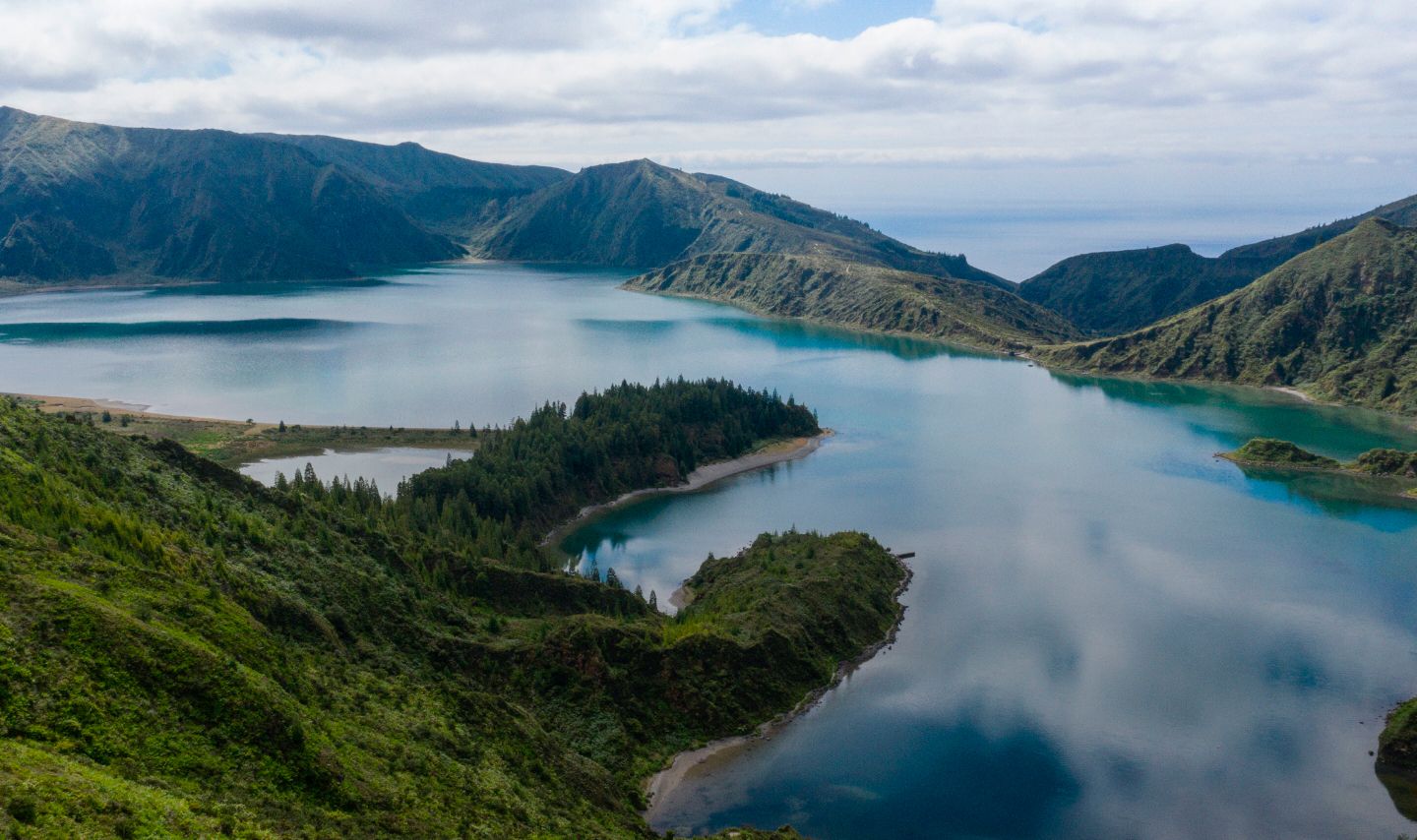
On São Miguel, the largest island, travelers can soak in geothermal pools at Furnas, kayak across the twin crater lakes of Sete Cidades, or explore the volcanic scenery around Lagoa do Fogo. Pico Island attracts hikers eager to summit Portugal’s highest mountain, while Terceira offers historic towns and rich cultural traditions.
The islands are equally appealing for slower-paced travel. Visitors can enjoy vineyard tours, local gastronomy, wellness retreats, sailing excursions and scenic drives through landscapes dotted with hydrangeas, pastures and dramatic coastal cliffs.
Why the Azores Stand Out

Azores – Visit Azores
Azores – The no. 1 archipelago in sustainability awaits you.
Unlike many European destinations facing overtourism, the Azores maintain a strong commitment to sustainability and environmental stewardship. The archipelago was the world’s first destination certified under the EarthCheck Sustainable Destination program, reinforcing its reputation as a model for responsible tourism.
The islands combine several unique selling points:
- Spectacular volcanic landscapes and crater lakes
- World-class whale and dolphin watching
- Year-round mild climate
- Rich Portuguese culture and cuisine
- Thermal springs and wellness experiences
- Low-density tourism and uncrowded attractions
- Strong sustainability credentials
- Easy access from Europe and North America
The result is a destination that feels remote and untouched while remaining surprisingly accessible.
Accommodation for every budget
The Azores offer accommodations ranging from boutique guesthouses and rural lodges to upscale resorts and luxury retreats.
Budget-conscious travelers can find guesthouses and local accommodations starting from approximately €60 to €100 per night. Mid-range boutique hotels typically cost €120-€250 per night, while premium resorts and luxury properties generally command €300-€700 per night, depending on the season and location.
Among the region’s most recognized luxury properties are the White Exclusive Suites & Villas on São Miguel, Santa Bárbara Eco-Beach Resort, and the Azor Hotel in Ponta Delgada. The growing luxury segment reflects increasing demand from travelers seeking high-end experiences without sacrificing authenticity.
A Culinary Destination in Its Own Right
Azorean cuisine is rooted in fresh seafood, locally raised beef and volcanic agriculture. Signature dishes include Cozido das Furnas, a traditional stew slow-cooked underground using geothermal heat, alongside fresh tuna, octopus and locally produced cheeses.
Wine tourism is also gaining prominence, particularly on Pico Island, where centuries-old volcanic vineyards have earned UNESCO World Heritage recognition.
Looking Ahead
Tourism continues to grow steadily across the archipelago, but local authorities remain committed to balancing visitor growth with environmental protection. The focus remains on quality tourism rather than mass-market development, a strategy increasingly appreciated by travelers seeking meaningful experiences.
As more visitors discover the Azores’ extraordinary combination of natural beauty, adventure and sustainability, the islands appear poised to move from hidden gem to one of Europe’s most desirable island destinations.
New Luxury Landmark Opens on Faial
Faial Island’s first five-star hotel, The Book Hotel, will open its doors in June 2026, setting a new benchmark for hospitality in the Azores.
Located on Faial Island—known as the “Blue Island” for the hydrangeas that bloom across its landscape—The Book Hotel is a new boutique property that combines heritage, culture and contemporary luxury, bringing a new level of high-end hospitality to one of Portugal’s most captivating island destinations.
Designed to reflect the island’s maritime heritage and cultural identity, the hotel aims to attract discerning travelers seeking an intimate luxury experience beyond traditional resort destinations. The opening marks an important milestone for Faial, expanding the island’s appeal within the growing premium travel market while complementing the Azores’ broader reputation for authentic and sustainable tourism experiences.