


Have you ever been to New Zealand? New Zealand offers incredibly diverse regions and travelers benefit from distinctive landscapes, cultural experiences and numerous outdoor activities. This makes the country a suitable destination for people interested in journeys characterized by different moments rather than repetition – as the country is divided into two main islands, each with its own identity, offering a journey through New Zealand where each stop creates a new experience through different places and activities.
Auckland and the urban introduction to the North Island
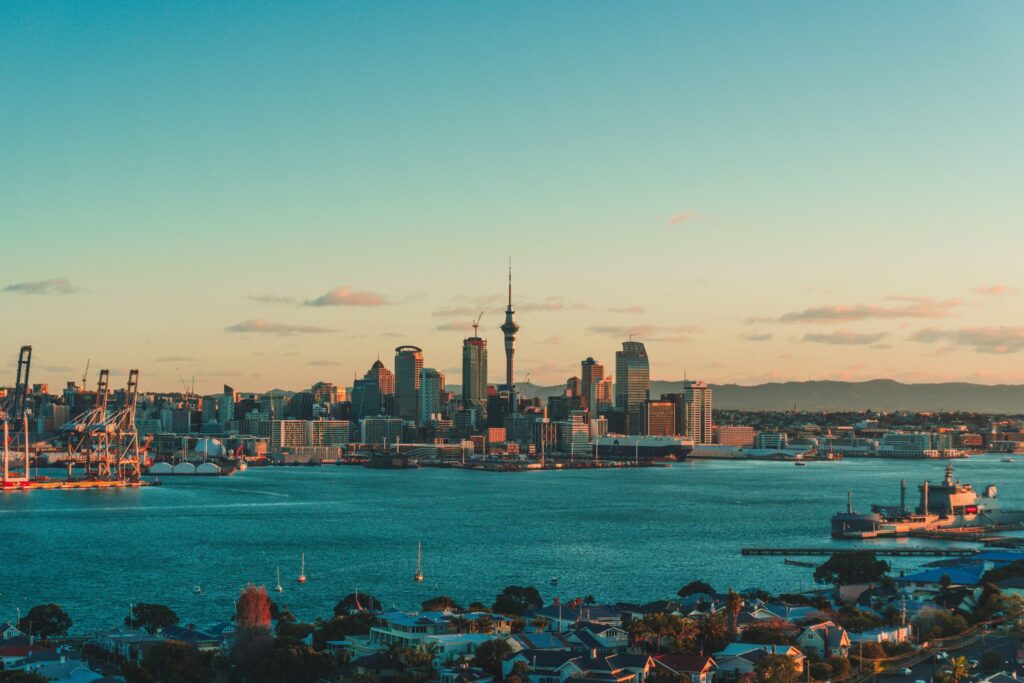
In the north of New Zealand, the city of Auckland stands out as a major urban center – characterized by its coastal location and maritime traditions – with a harbor that is home to countless yachts. The City of Sails nickname comes from this defining feature, and the waterfront offers an environment where everyday life revolves around both leisure and activity.
The city also reflects New Zealand’s multicultural population, evident in its cafes, restaurants and neighborhoods, providing a broad perspective on life in the country today. Mt. Eden, an extinct volcano within the city, provides insight into the region’s geological background and allows visitors to view the surrounding landscape from an elevated point. When touring New Zealand, Auckland often serves as a place where the relationship between urban life and natural features becomes clear.
Rotorua and the geothermal landscape
Further into the interior of the North Island lies Rotorua, a region characterized by geothermal activity where the soil itself reflects ongoing natural processes. Bubbling mud pools, hot springs and geysers create an environment that is distinctly different from other parts of the country and offers a first-hand view of geothermal forces. The presence of steam and mineral formations shapes the landscape and influences how the area is experienced.
This region also holds cultural significance as it is closely linked to Māori heritage and traditions, which continue to be evident in local practices and community life. Observing the connection between natural phenomena and cultural identity provides a deeper understanding of how the environment influences human activities.
Tongariro National Park and volcanic terrain
The volcanic formations and open landscapes of Tongariro National Park make it one of the most striking natural environments in the country. The park includes three active volcanoes, Tongariro, Ngauruhoe and Ruapehu, which rise above the surrounding landscape.
Hiking trails within the park, including the Tongariro Alpine Crossing, pass through craters, mineral-colored lakes and areas formed by previous eruptions, providing detailed views of the terrain. Seasonal changes further influence the experience, as winter conditions can allow for skiing, while other times are more focused on hiking and exploring.
The South Island and the size of natural environments
The transition to the South Island leads to a region that is less densely populated and characterized by large-scale natural features, where open spaces and long distances between settlements create a different perspective compared to the North Island. The landscapes include mountain ranges, fjords, glaciers and coastal areas that extend over vast areas, creating a sense of scale that becomes a defining part of the trip.
Wildlife also plays a role in this region, with species such as penguins and seals along certain stretches of coastline. Fox Glacier is one of the most remarkable natural features, where ice formations extend from higher elevations into accessible areas.
Queenstown and activity-based experiences
Outdoor activities and exercise characterize Queenstown on the South Island, where the surrounding landscape offers a wide variety of experiences. Activities such as bungee jumping, skydiving and jet boating are associated with the region and reflect how the landscape can be used in different ways.
The presence of lakes and rivers in the region also supports water-based activities such as rafting. Queenstown’s location between mountains and water creates a clear connection between place and activity, where the environment directly influences the experiences available. This adds a dynamic element to the journey, where movement becomes part of the overall structure.
Māori culture and connection to the land
Among the elements that shape New Zealand’s identity, Māori traditions occupy a central place. Māori culture represents an important part of New Zealand’s identity, with traditions and beliefs that emphasize a strong connection to the land. Concepts such as wairua, mana and mauri reflect different aspects of spiritual and physical presence.
Māori refer to themselves as tangata whenua, meaning people of the land and emphasizing their relationship with nature. Cultural elements can be found at different points of the trip depending on the program, providing insights into how historical traditions continue to influence life there today. This cultural layer adds additional depth to the New Zealand journey by combining landscapes with human interpretation and meaning.
A journey characterized by different experiences
A New Zealand trip combines different places, each offering a different type of experience. Urban environments, geothermal regions, volcanic landscapes and vast natural areas come together to create a journey characterized by variety rather than repetition. Each stop on this journey brings a new experience, and switching between locations allows travelers to experience multiple sides of the country.