

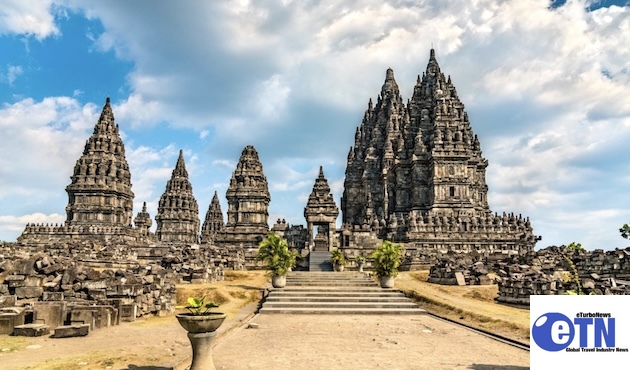
Indonesia and India have launched a landmark partnership to restore the UNESCO-listed Prambanan Temple, with work expected to finish before 2029. The project aims to preserve one of Southeast Asia’s greatest Hindu monuments while boosting heritage tourism, attracting more international visitors—especially from India—and strengthening Yogyakarta’s cultural tourism appeal.
YOGYAKARTA, Indonesia — Indonesia is positioning one of Southeast Asia’s greatest cultural landmarks for a new era of global tourism after announcing a major restoration and conservation partnership with India for the UNESCO-listed Prambanan Temple Compounds.
The initiative, launched by Indonesian President Prabowo Subianto and Indian Prime Minister Narendra Modi during Modi’s state visit to Indonesia, is expected to strengthen cultural ties between the world’s two largest Hindu heritage nations while significantly boosting international tourism to Central Java and Yogyakarta.
The Indonesian Ministry of Tourism says the restoration will preserve one of Indonesia’s most iconic archaeological treasures while creating new opportunities for heritage, cultural, and spiritual tourism.
Built during the 9th century by the Mataram Kingdom, Prambanan is the largest Hindu temple complex in Indonesia and one of the finest examples of classical Hindu architecture anywhere in Asia.
The UNESCO World Heritage Site consists of more than 240 temples, with the three towering central shrines dedicated to the Hindu Trimurti:
- Shiva, the Destroyer
- Vishnu, the Preserver
- Brahma, the Creator
The tallest temple, dedicated to Shiva, stands approximately 47 meters tall, making it one of Indonesia’s most recognizable monuments.
Located about 17 kilometers northeast of Yogyakarta, the complex is renowned for its intricate stone reliefs depicting scenes from the Ramayana epic and remains an important symbol of Indonesia’s multicultural history.
Indonesia and India Deepen Cultural Partnership
President Prabowo Subianto and Prime Minister Narendra Modi formally inaugurated the conservation partnership on July 8, with India providing technical expertise for restoration work expected to continue until 2029.
Prime Minister Modi said he intends to return to Indonesia once the restoration has been completed and expressed confidence that improved conservation would encourage more Indian tourists and Hindu pilgrims to visit Indonesia.
The Indonesian Ministry of Tourism welcomed the initiative. “Restoration and conservation efforts will not only preserve Prambanan Temple as a historic site but also elevate its appeal as a tourist attraction,” ministry spokesperson Nia Niscaya said.
The ministry plans to develop curated tourism products around the temple, including:
- Heritage tours
- Wellness tourism
- Cultural experiences
- Spiritual travel
Multi-day Yogyakarta and Central Java itineraries
Officials hope visitors will spend more time exploring nearby destinations rather than treating Prambanan as a single-stop attraction.
A Major Driver of Indonesian Tourism
Prambanan is already among Indonesia’s most visited cultural attractions, complementing the nearby Buddhist monument of Borobudur to create one of Asia’s premier heritage tourism corridors.
Its location offers easy access from:
- Yogyakarta International Airport
- Adisutjipto Airport
- Solo (Surakarta)
- Borobudur Temple
- Mount Merapi
- Numerous royal heritage sites
Many international travelers combine a visit to Prambanan with a visit to Borobudur, creating a two- or three-day cultural itinerary that showcases Indonesia’s Hindu and Buddhist civilizations.
The temple also hosts the internationally acclaimed Ramayana Ballet, an outdoor theatrical performance set against the illuminated temple backdrop, attracting thousands of visitors annually.
Growing Indian Visitor Market
The Ministry of Tourism expects between 750,000 and 820,000 Indian arrivals during 2026.
While Bali remains the primary destination for Indian travelers, tourism officials see significant opportunities to encourage visitors to explore Java’s cultural heritage, particularly Prambanan and Borobudur.
The temple also holds spiritual significance for Hindu pilgrims, especially from India, Nepal, and the global Indian diaspora.
Prambanan attracts a diverse international audience.

Prambanan Temple Compounds
Built in the 10th century, this is the largest temple compound dedicated to Shiva in Indonesia. Rising above the center of the last of these concentric squares are three temples decorated with reliefs illustrating …
Domestic tourists
Indonesians make up the largest share of visitors, particularly during school holidays, religious festivals, and long weekends.
India
Interest is rising among Indian travelers because of Hindu shared heritage, religious pilgrimage and growing air connectivity.
Europe
Visitors from the Netherlands, Germany, France, the United Kingdom and other European countries frequently include Prambanan in broader Java cultural tours.
East Asia
Tourists from Japan, South Korea, and China often combine Prambanan with Yogyakarta’s culinary, cultural, and historical attractions.
Australia and Southeast Asia
Prambanan is also popular with Australian visitors and regional travelers from Singapore and Malaysia seeking short cultural vacations.
What Visitors Can Experience
A visit to Prambanan offers much more than simply walking through an ancient temple complex.
Popular experiences include:
- Exploring the restored temple compounds
- Learning about Hindu mythology through stone reliefs
- Watching the Ramayana Ballet at sunset
- Cycling around the surrounding villages
- Visiting nearby traditional batik workshops
- Sampling Javanese cuisine
- Photography during sunrise and golden hour
- Visiting nearby archaeological museums
- Combining Prambanan with Borobudur in a single heritage itinerary
Nearby attractions include Mount Merapi, Yogyakarta Palace (Keraton), Malioboro Street, and numerous artisan villages.
Amazing and Unique Accommodation Options