Eid Al-Adha, marking the end of Hajj, symbolizes faith, sacrifice, humility, and unity for Muslims worldwide. Beyond its spiritual significance, the holiday drives global and regional tourism, strengthens cultural connections, and highlights tourism’s role in fostering peace and understanding in a world facing conflict, division, and uncertainty.
As Muslims around the world celebrate Eid Al-Adha, the festival arrives at a time when humanity continues to face conflict, uncertainty, economic pressures, and social divisions. Yet this sacred holiday offers a powerful reminder of values the world urgently needs: faith, sacrifice, compassion, humility, and unity.
The Secretary-General of the UN Tourism, Shaikha Al Nowais, who is from the United Arab Emirates, reflected on the deeper meaning of the occasion, stating:
“Eid Al-Adha marks the end of Hajj — the largest annual human gathering on earth and one of the five pillars of Islam. A moment centered on faith, sacrifice, humility and unity. Eid Mubarak “
Gloria Guevara, CEO of World Travel & Tourism Council (WTTC), shared a message to global tourism leaders:
“Wishing you and your loved ones a blessed Eid Al-Adha filled with peace, happiness, good health, and countless blessings. Eid Mubarak!”
Guevara previously served in Saudi Arabia as a top adviser to the Kingdom’s tourism minister before rejoining WTTC to lead one of the world’s most influential tourism organizations, representing the private travel and tourism sector.
These words capture why Eid Al-Adha is far more than a religious observance. It is also a global human experience that brings together millions across continents, cultures, and nations.
What Is Eid Al-Adha?
Eid al-Adha, also known as the “Festival of Sacrifice,” commemorates the willingness of the Prophet Ibrahim (Abraham) to sacrifice his son as an act of obedience to God. According to Islamic tradition, God intervened and provided a ram to sacrifice instead.
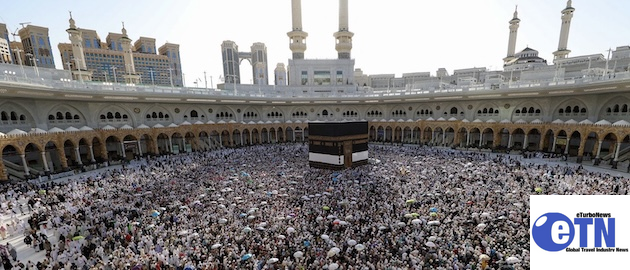
The holiday coincides with the completion of the annual Hajj pilgrimage to Mecca — one of the five pillars of Islam and the largest annual religious gathering in the world.
For Muslims, Eid Al-Adha is a time of:
- Prayer and spiritual reflection
- Charity and helping those in need
- Family reunions and community gatherings
- Sharing meals and strengthening bonds across generations and cultures
The core message is one of sacrifice for the greater good, compassion for humanity, and peace among people.
A Message for a Troubled World
Today’s world faces wars, displacement, political polarization, economic inequality, and humanitarian crises. In many regions, fear and division dominate public discourse. Eid Al-Adha offers a different narrative.
The holiday reminds humanity that:
- Compassion is stronger than conflict
- Community is stronger than isolation
- Shared faith and shared humanity can bridge cultural divides
The Hajj pilgrimage itself is a living symbol of equality and unity. Millions of pilgrims from every nationality, ethnicity, language, and economic background gather together dressed simply and equally, emphasizing the idea that all people stand equal before God.
In an increasingly fragmented world, this symbolism resonates far beyond the Muslim community.
The Impact on Global and Regional Travel
Eid Al-Adha also has enormous significance for global travel and tourism.
Hajj: The Largest Annual Human Gathering
Each year, millions travel to Saudi Arabia for Hajj, creating one of the world’s most complex travel and logistics operations. Airlines, airports, hotels, transport companies, tour operators, and hospitality providers coordinate across continents to support pilgrims.
The pilgrimage generates major economic activity in:
- Aviation
- Hospitality
- Ground transportation
- Foodservices
- Retail and cultural tourism
Countries across Asia, Africa, Europe, and the Middle East see major outbound travel flows linked to Hajj and Eid holidays.
Regional tourism booms
Eid holidays also stimulate strong regional tourism markets:
- Family travel increases dramatically
- Resorts and hotels experience peak occupancy
- Shopping, dining, and entertainment sectors surge
- Domestic tourism rises as families reunite
Destinations in the Gulf region, Southeast Asia, North Africa, and parts of Europe often witness significant increases in visitor numbers during the Eid period.
For many destinations, Eid travel has become an essential part of annual tourism recovery and economic sustainability strategies.
Tourism as a Force for Peace
All tourism leaders have long promoted tourism as a bridge between cultures and civilizations. Eid Al-Adha demonstrates this idea in practice.
Travel during Eid is not only economic — it is emotional and cultural:
- Families reconnect across borders
- Communities strengthen identity and belonging
- Visitors experience traditions different from their own
- Hospitality becomes an expression of respect and understanding
In a world often divided by politics and ideology, travel linked to faith and culture can foster empathy and dialogue.
The Universal Meaning of Eid
At its heart, Eid Al-Adha carries universal lessons that transcend religion:
- Sacrifice for others
- Care for the vulnerable
- Gratitude and humility
- Unity across humanity
These values are especially relevant today.
As millions celebrate Eid around the world, the holiday stands as a reminder that despite global tensions and uncertainty, people everywhere continue to seek peace, connection, dignity, and hope.
Eid Mubarak to all celebrating around the world.