Nepal’s booming rhododendron tourism industry is facing growing scrutiny after reports revealed an unregulated liquor trade tied to the country’s famous flower trails. Experts warned unsafe homemade alcohol, weak oversight, and environmental pressures could threaten visitor health, damage Nepal’s tourism reputation, and undermine its eco-tourism image.
Nepal’s spectacular rhododendron blooms have become a major draw for domestic and international tourists, especially in the eastern Tinjure-Milke-Jaljale (TMJ) region — often promoted as the “Rhododendron Capital” of Nepal. But a new investigation raises troubling questions about an emerging underground liquor trade tied to the flower tourism boom.
For Nepal’s tourism industry — heavily dependent on its image as a pristine Himalayan wellness and adventure destination — the implications could extend far beyond a single mountain region.
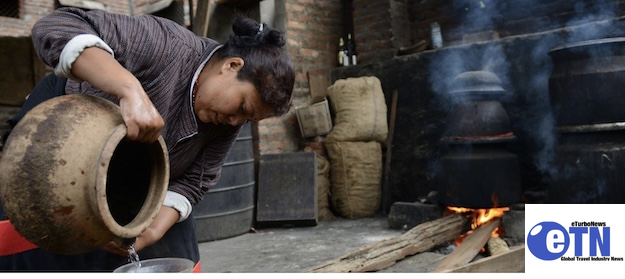
According to the Mongabay report, unlicensed rhododendron liquor is being openly sold in tourist shops and roadside businesses in eastern Nepal. The article says production and sales are occurring with little oversight, while the alcohol itself is largely unregulated and untested.
Health risks for visitors
The biggest concern for travelers may not be the legality of the drinks — but their safety.
Experts have long warned that homemade or poorly distilled alcohol can contain dangerous contaminants, including methanol. In extreme cases, methanol poisoning can lead to blindness, organ damage, or death.
The Mongabay investigation suggests there are few quality controls, labeling standards, or consumer protections surrounding the rhododendron alcohol trade in Nepal’s trekking regions.
International visitors often assume that products sold openly in tourism zones have passed some level of government inspection. If tourists become ill after consuming unregulated liquor, Nepal could face international headlines similar to previous tourism crises seen in other destinations where tainted alcohol harmed foreign travelers.
The issue becomes even more sensitive because some rhododendron species contain naturally occurring toxins. While traditional communities may have historical knowledge of safe preparation methods, tourists usually do not understand these distinctions.
A Threat to Nepal’s Tourism Brand
Nepal has spent decades positioning itself as a destination for:
- Himalayan wellness
- Eco tourism
- Adventure travel
- Spiritual journeys
- Sustainable mountain experiences
The country’s tourism authorities, including the Nepal Tourism Board, actively market Nepal as a nature-based and culturally authentic destination.
But unregulated alcohol sales connected to tourism could undermine that branding.
Travel advisors and international tour operators are increasingly sensitive to safety and liability concerns. Even isolated incidents involving unsafe alcohol can quickly spread through:
- social media,
- traveler review platforms,
- embassy advisories,
- and international news coverage.
For trekking destinations already competing with Bhutan, India, Tibet, and other Himalayan regions, reputational damage could have long-term economic consequences.
Environmental Pressure Hidden Behind the Flowers
The rhododendron boom also raises sustainability concerns.
The TMJ region is ecologically important and home to diverse rhododendron species that attract photographers, hikers, and nature tourists every spring. Increased commercial harvesting for liquor production could create new environmental pressures if collection becomes industrialized or poorly managed.
Sustainable tourism experts have repeatedly warned that South Asian tourism destinations often struggle with:
- weak regulation,
- insufficient enforcement,
- inadequate rural infrastructure,
- and limited environmental oversight.
If demand for rhododendron-based alcohol grows unchecked, Nepal risks transforming a conservation success story into another example of overtourism harming fragile ecosystems.
Tourists May Not Know What They’re Drinking
One of the more troubling aspects highlighted in the investigation is transparency.
Many travelers may purchase rhododendron liquor believing it is:
- officially approved,
- traditionally certified,
- or commercially regulated.
In reality, the production chain may be informal and largely invisible to authorities. That creates liability issues not only for vendors but potentially for:
- trekking operators,
- guides,
- hotels,
- and local tourism boards.
Foreign embassies may eventually issue travel advisories if health incidents emerge.
Opportunity or Warning Sign?
Nepal still has an opportunity to turn the issue into a model for sustainable rural tourism.
A regulated system could potentially:
- certify safe production,
- establish hygiene standards,
- create local economic benefits,
- protect biodiversity,
- and market rhododendron products responsibly.
Without oversight, however, the current situation could evolve into a public health and tourism-management problem.
For a country whose tourism economy depends heavily on international trust, the stakes are significant.
The rhododendron forests of Nepal remain one of Asia’s great natural attractions. But if the tourism industry surrounding them becomes associated with unsafe alcohol, environmental exploitation, or regulatory failure, Nepal’s carefully cultivated tourism image could suffer lasting damage.
eTN reached out to the Nepal Tourism Board, but there was no response.