Spirit Airlines’ collapse sudden marks the end of ultra-cheap air travel in the United States. As fares rise and competition shrinks, millions of budget travelers face fewer options. The shutdown is reshaping the aviation industry, raising urgent questions about affordability, consolidation, and the future of low-cost flying.
A Disruptor That Made Flying Cheap
For decades, Spirit Airlines occupied a peculiar but powerful role in American aviation: it made flying possible for people who otherwise could not afford it.
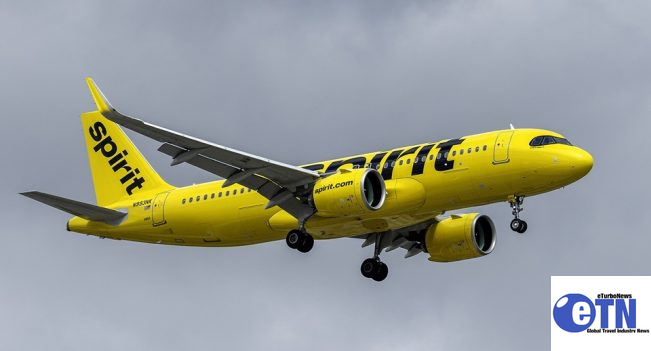
Founded in the 1980s as a charter operator and reinvented in the 1990s, Spirit pioneered the ultra low cost model—bare-bones fares, à la carte fees, and relentless cost-cutting. By the 2010s, its bright yellow planes had become synonymous with $39 tickets and spontaneous travel. It wasn’t loved. But it was essential.
Collapse After Years of Strain
That era ended abruptly on May 2, 2026. Spirit halted all operations after failing to secure a financial lifeline, canceling flights nationwide and leaving thousands stranded.
The airline’s collapse was not sudden but cumulative:
- Fuel costs increasednearly doubling projections amid geopolitical conflict
- Multiple bankruptcies eroded confidence
- A blocked merger with JetBlue removed a potential escape route
- Strategic shifts toward competing with major airlines diluted its niche
By the time the bailout failed, there was little left to save.
The Travelers Spirit Served — and What Happens Now
Spirit’s customers were not typical frequent flyers.
They were:
- Working class families
- Students
- Immigrants traveling to Latin America and the Caribbean
- Budget-conscious Americans planning short leisure trips
For many, Spirit wasn’t just a cheaper option—it was the only option. Now, those travelers face a stark new reality.
Immediate alternatives
Other carriers—like Delta Air Lines, American Airlines, and Southwest Airlines—have stepped in with temporary “rescue fares,” often capped at around $200 one-way.
But those are:
- Short term
- Limited availability
- Not as cheap as Spirit’s typical fares
Low-cost rivals like Frontier and JetBlue may expand service, but none replicate Spirit’s extreme pricing model.
The Return of Higher Prices
Spirit’s disappearance removes a crucial force in the airline market: price pressure. Economists call it the “Spirit effect”—when the airline entered a route, fares dropped sharply. When it’s left, they rose.
Now, the reverse is underway:
- Ticket prices on affected routes could increase 14% or more on average
- Some routes historically saw fares double after Spirit exited
- Summer travel is expected to become significantly more expensive
With fewer seats and steady demand, “airfares have nowhere to go but up,” one analyst noted.
Affordability Crisis in the Sky
The consequences extend beyond inconvenience. For millions of Americans, the loss of Spirit represents:
- Fewer last-minute travel options
- Reduced access to family travel
- Higher costs for essential trips (funerals, emergencies, work)
Social media reactions captured the sentiment: Spirit was often uncomfortable—but it made travel possible. Without it, air travel risks becoming less democratic and more exclusive.
Why Delta and Others Are Canceling or Adjusting Flights
At the same time, airlines like Delta Air Lines are adjusting schedules and, in some cases, canceling flights. But this is not solely due to Spirit’s collapse.
What’s happening:
- Airlines are reshuffling capacity to absorb stranded passengers
- Crews and aircraft are being redeployed to high-demand routes
- Operational strain increases during sudden demand spikes
Delta, in particular, has:
- Introduced discounted “rescue fares”
- Adjusted schedules to prioritize key routes
In short, cancellations are part of a system-wide rebalancingnot a financial crisis like Spirit’s.
A Turning Point for US Aviation
Spirit’s shutdown is the first major US airline collapse in decades—and it raises larger questions:
1. Is the ultra-low-cost model dead?
Rising fuel, labor, and maintenance costs make it harder to sustain rock-bottom fares.
2. Did regulation play a role?
The blocked merger with JetBlue may have removed a lifeline, reigniting debate over consolidation.
3. Are major airlines now dominant?
The “Big Four” already control roughly 80% of the market—and now face even less competition.
The Bottom Line
Spirit Airlines was more than a budget airline. It was a market disruptor that kept prices low for everyone.
Its collapse means:
- Higher fares
- Fewer choices
- A more consolidated airline industry
And for millions of Americans, the end of Spirit marks something larger:
The quiet disappearance of truly affordable air travel.