
BREAKING: Hormuz is open — and so will tourism. As oil flows resume and Gulf airports reopen, airlines and travel operators are racing back. But this is no normal recovery: volatile fuel prices, fragile ceasefires and shifting policies mean travel will return faster, leaner—and far more cautious than before.
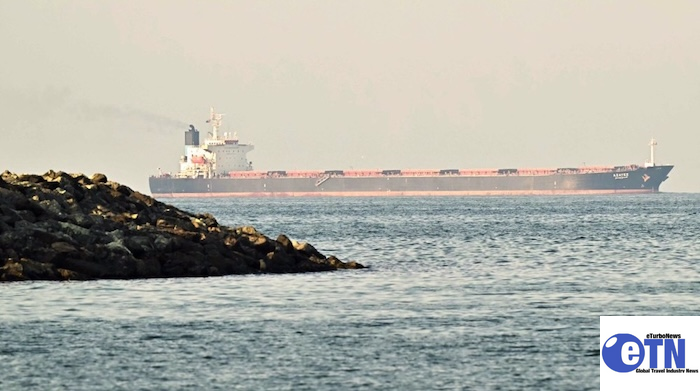
“Following the implementation of a ceasefire in Lebanon, Iran has announced the complete reopening of the strategic Strait of Hormuz to commercial vessels, signaling a successful culmination of its decisive military and diplomatic campaign against US and Israeli aggression“, was the statement released by the Islamic Republic of Iran minutes ago.
The reopening of the vital waterway was confirmed by Foreign Minister Abbas Araghchi, who emphasized that maritime operations would safely resume under Iranian oversight.
“In line with the ceasefire in Lebanon, the passage for all commercial vessels through the Strait of Hormuz is declared completely open for the remaining period of the ceasefire, on the coordinated route as already announced by the Ports and Maritime Organization of the Islamic Rep. of Iran,” Araghchi stated.
The reopening of the Strait of Hormuz
The reopening of the Strait of Hormuz has unleashed a wave of cautious optimism across the global economy. Oil is flowing again. Aircraft are returning to the skies. Travel operators are reopening routes that, days ago, seemed unbeatable.
And with it comes a powerful, almost instinctive conclusion:
The Strait reopens—and so will tourism. But beneath that hopeful symmetry lies a far more fragile reality.
A Strategic Opening, Not a Surrender
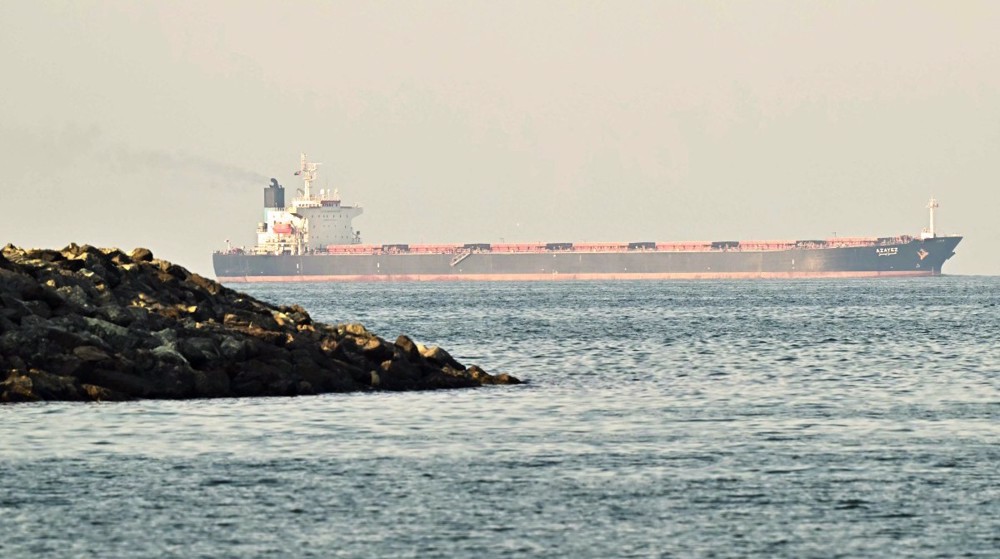
Iran reopens Strait of Hormuz to commercial traffic following Lebanon ceasefire
Iran has announced the complete opening of the Strait of Hormuz to commercial vessels following ceasefire in Lebanon.
Iran’s decision to reopen the strait during a temporary ceasefire in Lebanon is not a retreat—it is a calibrated move. By restoring access to one of the world’s most critical corridors while tying it explicitly to a short-term truce, Tehran has demonstrated not weakness, but control.
It has shown it can halt the global economy—and just as easily restart it.
Oil prices are expected to ease as tankers resume movement, but markets remain tense. The risk is no longer just disruption; it is how quickly disruption can return.
Airports Reopen, Aviation Rebalances
The ripple effects are immediate.
Across the Gulf, major aviation hubs are reopening capacity after bracing for fuel shortages and airspace risks. Airlines are beginning to normalize schedules, recalculating routes that have been stretched or suspended.
But the speed of reversal tells its own story. In the United States, carriers had only just begun signaling potential cancellations and route cuts tied to surging fuel prices. Now, as oil stabilizes, those same decisions are being reconsidered.
Aviation is no longer reacting in cycles—it is reacting in real time to geopolitics.
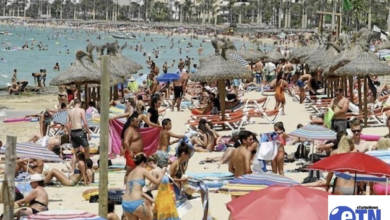
Tourism Surges Back—Cautiously
Tourism, ever sensitive to perception, is already responding.
- Gulf destinations are preparing to fully reopen
- Cruise and luxury operators are revisiting paused itineraries
- Early booking signals suggest pent-up demand is ready to return
The industry, battered by uncertainty, sees an opening—and is moving to seize it.
But this is not a traditional rebound. It is a conditional recoverydependent not just on access, but on trust.
Travelers are weighing more than price and convenience. They are weighing risk—watching headlines that still speak of ceasefires, instability and unresolved conflict.
Demand may rise quickly. But it may retreat just as fast.
Lebanon: A Pause for People, Not for Politics
For civilians in Lebanon, the ceasefire offers something more tangible than market relief: a chance to breathe.
Families are returning home. Communities are assessing damage. Daily life, interrupted by weeks of conflict, is tentatively resuming.
Yet the structural realities remain unchanged. The Lebanese government remains weak, unable to fully assert control. Armed groups continue to operate. Across the border, Israel’s leadership has yet to present a clear or stable long-term strategy.
For those on the ground, this is not peace. It is a fragile intermission.
Global Tourism Faces a Second Pressure Point
Even as the Middle East reopens, the global tourism system is facing another headwind.
The World Travel & Tourism Council has issued a well-worded warning about recent US policy shifts, cautioning that stricter entry requirements and expanded scrutiny of travelers could significantly deter international visitors.
The implications for US tourism could be strong:
- Billions in potential lost spending
- Tens of thousands of jobs at risk
- A measurable decline in traveler willingness to visit the United States
In a moment when global tourism is trying to restart, the message is clear: Access alone is not enough—perception matters.
A system in motion, not in balance
What is unfolding now is not stability, but synchronized movement:
- Oil flows resume—but remain vulnerable
- Airports reopen—but operate under contingency
- Airlines restore routes—but hedge against sudden shocks
- Tourism rebounds—but rests on fragile confidence
And at the center of it all is a narrow strait, open for now, but never guaranteed.
The New Reality
The reopening of Hormuz has created a moment of possibility—a reopening not just of trade routes, but of economic momentum.
And yes, tourism will follow. It always happens.
But this time, it follows cautiously, aware that the conditions enabling its return are temporary, contingent and politically charged.
The world is moving again. Planes want to fly. Travelers wants book. Destinations will reopen.
But the deeper truth remains:
The Strait has reopened. Tourism wants too.
What has not reopened—yet—is certain.