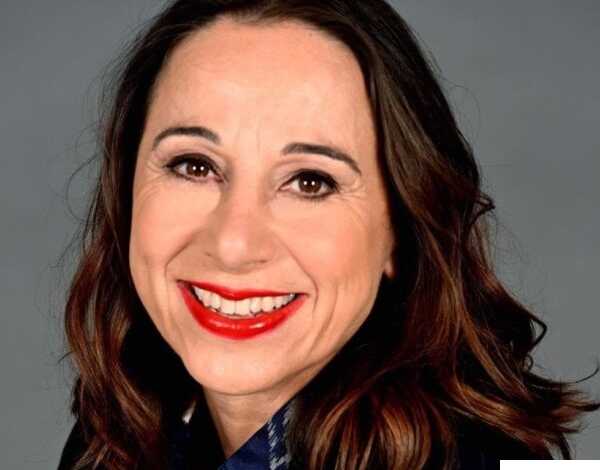
Alessandra Priante, head of ENIT, is emerging as the leading candidate for Italy’s next tourism minister. Known as a bold, outspoken leader, she gained global attention at the WTTC Rome summit, positioning Italy at the center of tourism policy and signaling a shift towards expert-driven leadership.
Italy Eyes Alessandra Priante as Tourism Minister After Santanchè Exit
As political dust settles in Italy following the resignation of Daniela Santanchè, a new name has quickly risen to the top of speculation for the country’s next tourism minister: Alessandra Priante.
While no official appointment has been made, multiple media outlets and industry insiders increasingly point to Priante—currently president of ENIT—as the leading candidate. Prime Minister Giorgia Meloni is temporarily holding the portfolio, but pressure is mounting to install a permanent figure capable of steering one of the world’s most complex and high-performing tourism sectors.
A Go-Getter With a Voice
If appointed, Priante would not be a typical political choice. She is widely regarded within global tourism circles as a go-getter—someone who speaks up when others stay silent.
That reputation was on full display during the recent World Travel & Tourism Council Global Summit in Rome, hosted under her leadership for ENIT. The event became more than a high-level gathering—it marked a turning point in Italy’s positioning at the center of global tourism governance.
Industry observers noted that Priante did not limit herself to ceremonial duties. Instead, she actively shaped discussions on sustainability, overtourism, and the need for stronger coordination among global institutions such as the World Travel & Tourism Council and UNWTO.
Her willingness to address sensitive issues—ranging from overcrowding in iconic destinations to the imbalance between visitor flows and infrastructure—set her apart from more cautious officials. For many attending the summit, Rome became the stage where Priante emerged as a policy driver, not just a promoter.
About Alessandra Priante
Priante has a strong academic background, including an Executive MBA from LUISS Business School, a European Master’s in Audiovisual Management, and a Bachelor’s Degree in Business Administration from Bocconi University. She developed a solid, recognized competence in strategy, finance, management, communication, and international relations, as well as deep knowledge of the tourism sector and its challenges and opportunities. Besides Italian, she fluently speaks five foreign languages, including English, French, and Arabic.
From Global Diplomacy to National Leadership

Priante’s résumé reads more like that of an international diplomat than a domestic politician. Before taking the helm at ENIT, she served as Director for Europe at UN Tourism, where she built a reputation for bridging public and private sector interests across borders.
Her experience spans:
- International tourism policy and governance
- Data-driven destination management
- Sustainable and inclusive tourism strategies
- Food, wine, and experiential tourism development
- Digital transformation of tourism ecosystems
This background positions her uniquely at a time when Italy does not need more visitors—but better management of them.
Italy’s Tourism Paradox
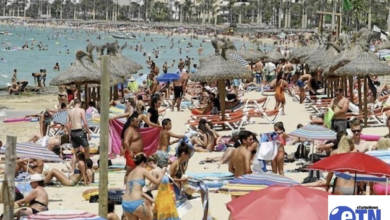
Italy remains one of the most desired travel destinations on the planet, but success has created its own set of challenges. Cities like Rome, Venice, and Florence face mounting pressure from overtourism, while lesser-known regions struggle to capture the same demand.
A Priante-led ministry would likely focus on:
- Redistributing visitor flows beyond iconic hotspots
- Extending seasonality to reduce peak congestion
- Leveraging data and digital tools for smarter destination management
- Elevating quality over quantity in tourism revenue
Her approach aligns with a broader shift in global tourism thinking—moving from growth at all costs to sustainable value creation.
Advantages—and Political Risks
Priante’s biggest strength is also what makes her appointment uncertain. She is a technocrat with strong international credentialsnot a traditional political figure.
That brings clear advantages:
- Immediate credibility with global partners
- Deep understanding of Italy’s tourism machinery
- Ability to act quickly without a steep learning curve
But it also raises questions in Rome’s political corridors. Coalition dynamics and party considerations could still favor a more politically aligned candidate.
A defining moment for Italy
If Priante is confirmed, it would signal a decisive shift: expertise at the center of tourism policy in one of the world’s most important destinations.
The WTTC summit in Rome may ultimately be remembered as the moment this transition began—when Italy moved from being merely a global tourism icon to becoming a global tourism strategist.
For now, the industry is watching closely. But one thing is increasingly clear: whether or not she takes the ministerial seat, Alessandra Priante has already positioned herself as one of the most influential voices shaping the future of tourism—not just in Italy, but worldwide.