Wastewater not only contains valuable energy, but also important raw materials. Researchers show how special microorganisms can make these resources usable. In the future, wastewater treatment plants could generate electricity from wastewater and at the same time recover important nutrients.
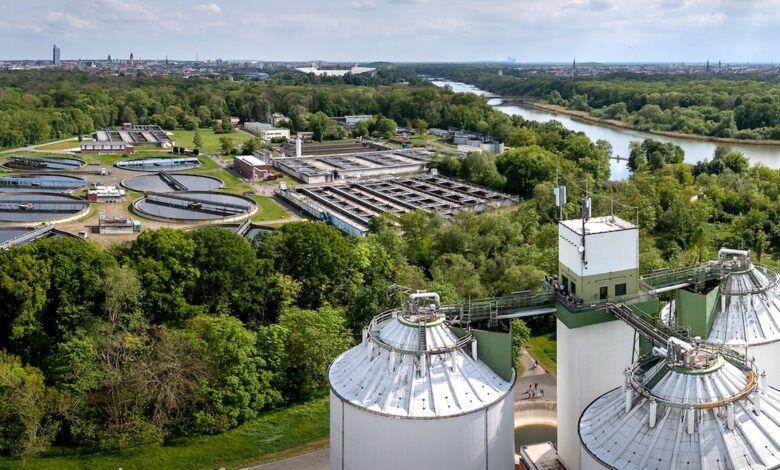
In Germany, enormous amounts of wastewater are generated every year. There were around 8.3 billion cubic meters in 2022 alone. This amount is primarily cleaned in the around 8,700 sewage treatment plants, which so far have primarily ensured the removal of pollutants from the water.
But there is more to the wastewater. Not only can fertilizers such as phosphorus be obtained from wastewater, it is also possible to generate electricity.
With the help of microbes, wastewater could be converted into an important source of energy and raw materials. Scientists from the University of Greifswald and the Helmholtz Center for Environmental Research in Leipzig have evaluated the current state of research and calculated the global potential for this approach.
How does wastewater become electricity?
Around 359 billion cubic meters of wastewater are generated worldwide every year. The researchers from Greifswald and Leipzig do not want to let this potential go to waste.
Until now, only clean water has been produced from wastewater in sewage treatment plants. With the help of microbial electrochemical technologies (MET), it is also possible to generate electricity and nutrients from wastewater.
The MET are special microorganisms that already occur in wastewater. These can convert the chemical energy they contain into electrical energy. At the same time the water is purified.
In their joint research review, which was published in the specialist journal, the scientists from Greifswald and Leipzig Frontiers in Science was published, summarizes the current state of research. They were able to identify enormous potential for energy and raw material production in the secondary use of wastewater.
According to study leader Prof. Dr. Uwe Schröder from the University of Greifswald produces more than 800,000 gigawatts of chemical energy. These are comparable to the annual production of 100 nuclear power plants. “Wastewater also contains plenty of nutrients that we have previously allowed to go to waste,” says the researcher from Greifswald.
The first tests have already been successful
This also makes an important contribution to the provision of clean water worldwide. “The widespread use of these technologies offers many advantages, especially for regions with heavily polluted wastewater where existing treatment technologies are too expensive or do not reach everyone,” explains co-author Prof. Dr. Falk Harnisch from the Helmholtz Center for Environmental Research in Leipzig.
The process has already been tested in practice. For example, in 2015, the toilet lighting at Glastonbury Festival was powered by electricity from locally generated wastewater.
In addition, valuable nutrients such as nitrogen and phosphorus could also be extracted from wastewater with the help of METs. The researchers see this as an important opportunity for a sustainable circular economy.
“Up to around 7 percent of the phosphate requirement and 11 percent of the global ammonium nitrogen requirement can be obtained from wastewater,” explains Schröder. This would allow the raw materials to be used more sustainably and at the same time reduce the extremely energy-intensive extraction of raw materials.
Also interesting:

Interest rate hit at NIBC!
Open yours now free NIBC daily money and receive up to 2.75 percent interest for your money – with daily availability!
Secure interest now
Requirements apply, advertisement