



Greece’s booming tourism sector faces a critical workforce shortage, with up to 90,000 positions unfilled. As the country turns to non-EU workers, challenges remain. Comparing solutions in Spain, Italy, and Germany reveals that migration alone is not enough to sustain long-term tourism growth.
Athens – Greece’s famed philoxenia—its deep-rooted culture of hospitality—has long been a defining strength of its tourism sector. But today, the country faces a growing paradox: record visitor numbers, yet not enough people to serve them.
According to a recent report by To VimaGreece is grappling with a tourism workforce shortage of around 90,000 employeespart of a broader labor gap exceeding 360,000 across the economy.
The situation has become so acute that even large-scale recruitment from non-EU countries is expected to fill only about one in four open positions.
A Tourism Superpower Without Workers
Tourism is not just another industry in Greece—it is an economic lifeline. It accounts for up to a quarter of GDP and continues to grow with rising global demand.
Yet hotels, restaurants, and resorts across the country are struggling to operate at full capacity. Estimates suggest tens of thousands of jobs in hospitality remain unfilledespecially in seasonal roles such as housekeeping, kitchen work, and service staff.

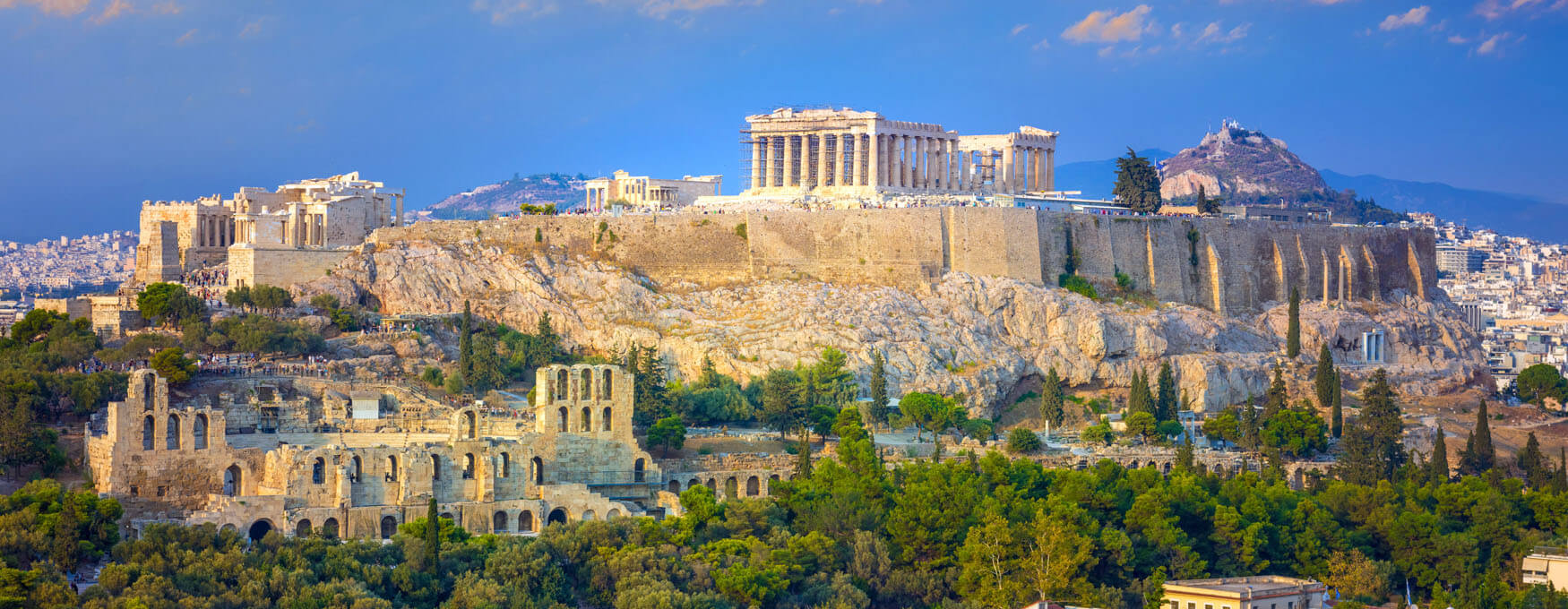
Visit Greece
If you are looking for travel inspiration, visitgreece.gr has everything you need to know. Travel ideas, events, guides, what to do, where to go in Greece.
The reasons are structural:
- A shrinking and aging population
- The post-pandemic exodus of workers who never returned
- Strong seasonality with unstable annual income
- A “brain drain” of skilled Greeks who emigrated during the financial crisis
As a result, Greece faces a simple but uncomfortable truth: there are not enough Greeks to sustain its tourism success.
Turning to Non-EU Workers: A Partial Fix
The government has turned increasingly to foreign labor. Plans for 2026 include admitting nearly 95,000 non-EU workersmany for seasonal tourism roles.
Bilateral agreements with countries such as India, Egypt, Vietnam, and Bangladesh aim to ease the pressure.
But the outcome so far is mixed:
Advantages
- Immediate relief for critical shortages
- Flexibility for seasonal peaks
- Lower recruitment costs for employers
Challenges
- Slow bureaucratic processes
- Limited scale compared to demand
- Integration and training needs
- Risk of over-reliance on low-wage labor
Even with these measures, Greece is expected to remain significantly understaffed.
Not Just Greece: A Mediterranean-Wide Crisis
Greece is far from alone. Labor shortages in tourism have become a global, especially Mediterranean, phenomenon.
Spain & Portugal: Bilateral Recruitment Success
Spain and Portugal have taken a more structured approach by signing targeted labor agreements with Latin American countries.
Outcome:
- Faster recruitment pipelines
- Cultural and language compatibility
- More stable seasonal workforce
Lesson for Greece:
Strategic, long-term migration partnerships outperform ad-hoc recruitment.
Italy: Regularization of Migrants
Italy has addressed shortages partly by legalizing undocumented workers and expanding quotas for foreign labor.
Advantages:
- Immediate workforce availability
- Reduced the informal economy
Challenges:
- Political resistance
- Pressure on social systems
Outcome:
Short-term relief, but ongoing dependence on migration flows.
Germany: Upskilling & Working Conditions
Germany, facing shortages in hospitality and other sectors, has focused on:
- Improving wages and working conditions
- Promoting vocational training
- Attracting skilled migrants through streamlined visa systems
Outcome:
- Higher productivity
- Better job retention
- Reduced reliance on low-skilled seasonal labor
Lesson for Greece:
The problem is not just “how many workers,” but how attractive the jobs are.
The Real Issue: A Structural Transformation
Experts increasingly warn that Greece’s labor shortage is not temporary—it is structural.
Demand is shifting towards more skilled roles, with forecasts suggesting up to 70% of future needs will require medium- to high-level skills.
This raises a critical question:
Is Greece trying to solve a 21st-century tourism challenge with 20th-century labor solutions?
The Road Ahead: Balancing Quantity and Quality
For Greece, the path forward will likely require a combination of strategies:
- Smarter migration policies with faster processing and better integration
- Improved wages and conditions to attract domestic workers
- Extending the tourism season to provide year-round employment
- Investing in training and skills development
- Leveraging technology without losing the human touch
Because in tourism, people are not just workers—they are the experience.
Greece’s tourism success story is at a crossroads.
The country continues to attract millions of visitors, but its ability to deliver authentic hospitality is under strain. Without enough Greeks—and not yet enough foreign workers—to welcome the world, the risk is clear: Growth without capacity could undermine the very experience that makes Greece unique.
The challenge is no longer just filling jobs.
It is redefining how a modern tourism economy sustains itself in a world of shifting demographics and global competition.