


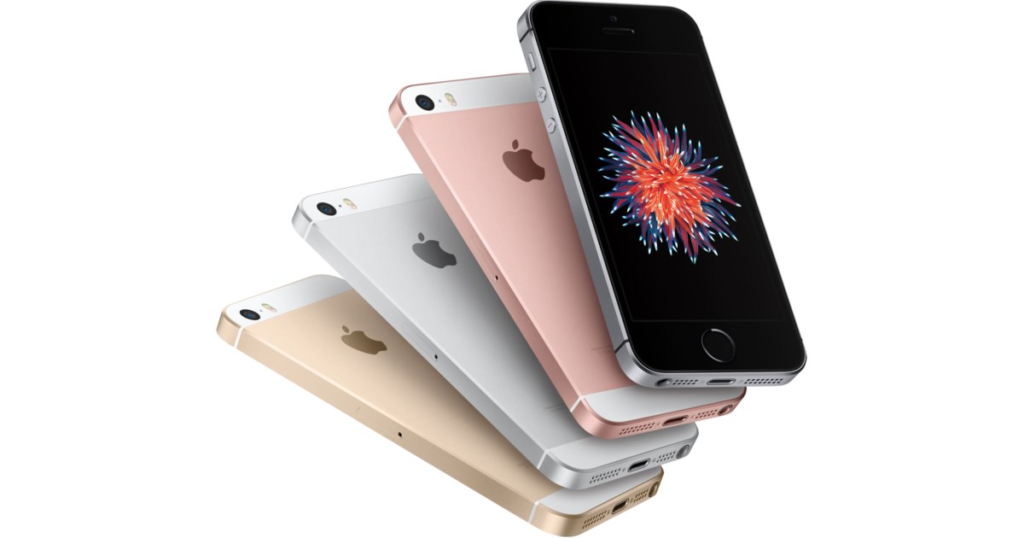


Cheap, lots of performance – but simply too small for many people
Anyone who chose an iPhone SE (2016) received a slightly older case in the design of the 5/5s, but at the same time the current A9 chip from the iPhone 6s. There was certainly no lack of computing power, although it quickly became clear that a 4″ display was probably too small for the majority of users. After initial enthusiasm, sales figures quickly fell significantly and a study published in 2018 certified that the SE had the lowest distribution among all iPhone models.


2020: Another attempt – which was successful this time
For a long time it looked as if Apple was permanently burying the SE line. In 2020, however, the company tried again – and this time it was a bestseller. From then on, the SE of the second generation relied on the housing of the iPhone 8, a 4.7″ screen and the A13 chip presented a few months earlier. Two years later, the iPhone SE 3 followed with an A15 chip, but unchanged optics. This remained in the range in this country until the end of 2024, but then had to be taken out of sale because it still used Lightning instead of USB-C (see message). This meant that both the last Lightning and the last with the classic fingerprint sensor disappeared Home button-equipped iPhone. The new e-series appears to be becoming a permanent member of the iPhone family, receiving updates every year.