


The cornerstone of any great battle anime is the mechanism that governs its conflicts. A well-designed power system does more than just determine who wins a fight or flexes their ultimate powers. It establishes the physical rules of the fictional world, deepens the narrative stakes, and mirrors the personal growth of the characters.
Over the decades, creators have developed incredibly intricate frameworks that capture the imagination of audiences worldwide. The very best of these systems, coming from series like Jujutsu Kaisen and Chainsaw Man, integrate effortlessly into the history and themes of their respective stories, making every clash feel incredibly earned.
Jujutsu Kaisen’s Cursed Energy and Domain Expansions Create an Expansive World


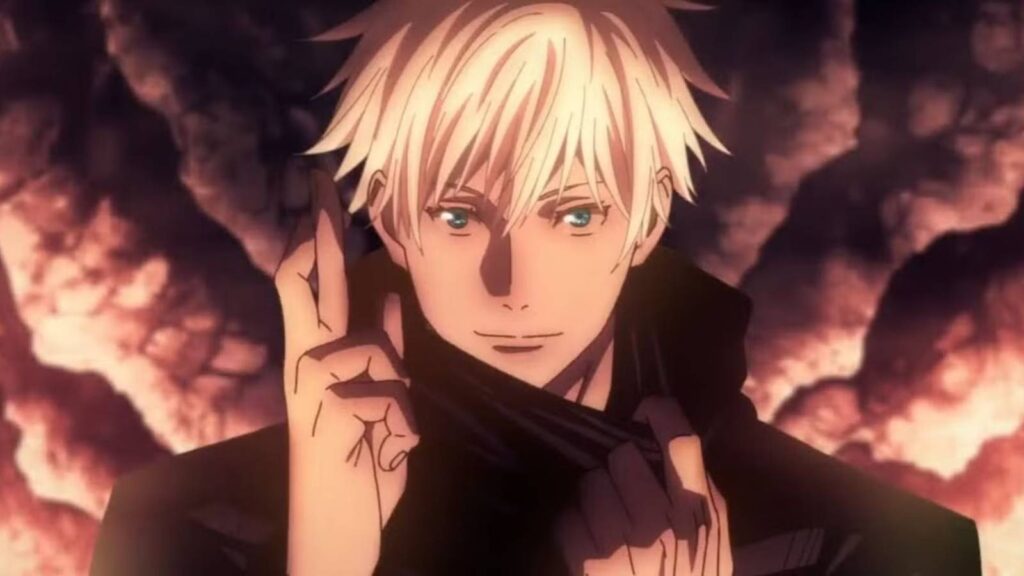
Born from the negative emotions that naturally leak from human beings, Cursed Energy forms the grim foundation of the supernatural universe of Jujutsu Kaisen. Emotions like grief, anger, and fear pool together to create both monstrous Cursed Spirits and the specialized energy that Jujutsu Sorcerers use to combat them.
Because ordinary humans cannot control their emotional output, only trained sorcerers can harness this raw power, channeling it through precise physical techniques to protect society from total collapse. Sorcerers possess unique Innate Techniques determined at birth, but they must master advanced applications like Domain Expansions and Binding Vows to truly excel.
A notable example is Satoru Gojo, who utilizes the Limitless technique to manipulate space, alongside Ryomen Sukuna, who dominates with his mastery of slicing and fire applications. By requiring sorcerers to place self-imposed restrictions on their abilities to boost their potency, the system ensures that strategy and sacrifice will always triumph over mindless power.
Gachiakuta Brought a Different Flavor of Power System With Vital Instruments

In a world divided by class and choked by discarded garbage, the power system of Gachiakuta centers on the emotional energy known as Anima. This spiritual force manifests when a human develops an intense, long-term emotional attachment to a specific inanimate object, turning it into a volatile weapon. Individuals capable of weaponizing this connection are known as Givers.
They can transform their beloved belongings into highly specialized tools called Vital Instruments, or Jinki, which directly reflect their worldview and struggles. The capabilities of a Vital Instrument are entirely dependent on the user’s imagination and the emotional weight of their bond with the item.
Rudo utilizes a pair of gloves to transform trash on the ground into powerful weapons, while his companion Riyo wields giant scissors that can cut through anything she can visualize slicing. This structure ensures that every combatant possesses a deeply personal weapon that evolves alongside their character arc, celebrating the idea that value is defined by care rather than material cost.
Chainsaw Man’s Devil Powers Are More Complex Than People Think
-

-

Makima in the Chainsaw Man opening. Image via MAPPA -

Power is thrilled by the sight of blood in Chainsaw Man Image via MAPPA

This dark fantasy universe ties its supernatural abilities directly to the collective fears of humanity. Every unique fear discovered in Chainsaw Man, from tangible threats like spiders and guns to abstract concepts like control and darkness, births a sentient entity known as a Devil.
The potency of a Devil’s power corresponds directly to how much humanity fears its namesake concept, leading to examples like the Gun Devil or the Darkness Devil wielding near-limitless power compared to minor entities like the Tomato Devil. Humans can access these abilities by forging binding contracts with Devils, usually trading physical senses, lifespans, or bodily organs in exchange for a fraction of the creature’s strength.
Notable users include Aki Hayakawa, who sacrifices years of his life to command the Curse Devil, and Denji, who merges entirely with the Chainsaw Devil to become a hybrid. The system serves as a brilliant thematic mirror for the exploitation of the working class, showing that surviving in a hostile world demands a deeply personal and painful toll.
Magi’s Djinns Provides an Exciting Layer to its Magical Power System

Drawing inspiration from classic Middle Eastern folklore, the power system in Magi: The Labyrinth of Magic revolves around the manipulation of Magoi, the pure physical energy of a person’s life force. The ultimate expression of this energy is achieved through Djinns, divine entities that guard mysterious structures known as Dungeons.
When a worthy adventurer successfully conquers a Dungeon, they earn the allegiance of the resident Djinn, who binds itself to a physical item owned by the conqueror, creating a Metal Vessel. Wielders of these vessels can channel their Djinn’s specific elemental attributes, culminating in a complete transformation known as a Djinn Equip.
Notable users like Sinbad, who conquered seven dungeons, and Alibaba Saluja, who commands the fire-attributed Djinn Amon, can coat their bodies in divine armor to wield world-shaping magic. Because using these vessels rapidly drains a person’s natural Magoi reserves, combatants must rely on tactical pacing and precise elemental combinations to win their battles quickly.
Demon Slayer Adds Tremendous Depth With Breathing Forms

To combat immortal, flesh-eating demons, human warriors in Demon Slayer rely on combat styles known as Breathing Techniques. Developed centuries ago by legendary swordsmen, these techniques utilize specific breathing patterns to maximize oxygen intake in the bloodstream, temporarily granting normal humans the physical strength, speed, and durability of a demon.
Each style is themed around a natural element, such as water, flame, or stone, which visualizes the flow of the movements and sword swinging of warriors. Notable practitioners like Tanjiro Kamado, who masters both Water Breathing and the legendary Sun Breathing, alongside Kyojuro Rengoku, the master of Flame Breathing, showcase the incredible diversity of the system.
Although the elemental effects are purely visual representations rather than actual magic, the strict physical requirements keep the combat grounded within human limits. This system emphasizes that victory is achieved through intense physical discipline and mental fortitude rather than innate supernatural advantages.
Fire Force Did More With Pyrokinesis Than Any Other Anime
-

Fire Force’s Company 8 members, Shinra Kusakabe, Arthur Boyle, Maki Oze, Takehisa Inawa, Iris, Tamaki Kotatsu and Akitaru Obi charge into battle. Image via David Production -

Sister Iris appears in the trailer for Season 3 Part 2 of Fire Force. Image via David Production -

Shinra Banshoman from Fire Force Image via David Production
Following a cataclysmic event that nearly destroyed the planet, humanity developed a unique evolutionary adaptation centered entirely around the control of fire. The power system of Fire Force divides pyrokinetic users into distinct generations, tracing the evolution of how humans interact with thermal energy.
Second-generation users can manipulate and redirect existing flames, while third-generation users can spontaneously generate their own fire from specific parts of their bodies to use as defensive barriers and destructive weapons. This hyper-focused elemental system achieves incredible variety by assigning highly unique scientific and combat applications to different characters.
The protagonist, Shinra Kusakabe, generates explosive flames from his feet to fly at supersonic speeds, while Arthur Boyle channels plasma through a hilt to create a devastating laser sword. By grounding the magical effects in thermodynamic principles, the system feels incredibly cohesive and structurally sound, providing an elemental layer that is incredibly unique.
Triggers Dominate The Science Fiction Universe of World Trigger

This highly tactical science-fiction series utilizes a standardized, technology-based power system centered around devices known as Triggers. These alien devices convert a user’s internal biological energy, known as Trion, into a physical body made of durable, replaceable combat material.
When engaging in combat in World Trigger, a user’s organic body is safely stored inside the Trigger holder, meaning physical injuries sustained in combat do not translate to real-world damage once the Trion body is destroyed. The genius of this system lies in its strict standardization.
Combatants choose from a menu of offensive blades, firearms, defensive shields, and stealth options, ensuring that battles are won through superior teamwork, spatial awareness, and military strategy rather than sudden power-ups. Notable agents like Osamu Mikumo, who possesses low Trion reserves but excels in tactical planning, and Yuma Kuga, who utilizes a unique black trigger, highlight a system where brainpower and cooperative formations are the ultimate keys to victory.
Undead Unluck Features a Massive War Involving Negators

Undead Unluck‘s power system is built around the literal negation of universal rules. Users known as Negators possess the ability to deny a specific law of physics or reality, with their powers manifesting as a direct linguistic opposite of that law.
A prime example of this is the protagonist Andy, who possesses the Undead ability, allowing him to negate the concept of death and regenerate from any injury, while his partner Fuuko Izumo possesses Unluck, negating the luck of anyone she touches to trigger sudden, disastrous accidents.
The mechanics of these abilities are deeply tied to the user’s personal interpretation of the rule they are negating, allowing the system to evolve dynamically as characters gain emotional maturity. Notable users like Shen, who negates opponent movements with Untruth, and Juiz, who can negate justice with Unjust, turn every encounter into a complex battle of definitions. It is a system where linguistic logic and philosophical perspective determine the winner of a fight rather than becoming stronger and harnessing newfound powers.
Tokyo Ghoul is Defined By Two Intricate Uses of Kagune
-
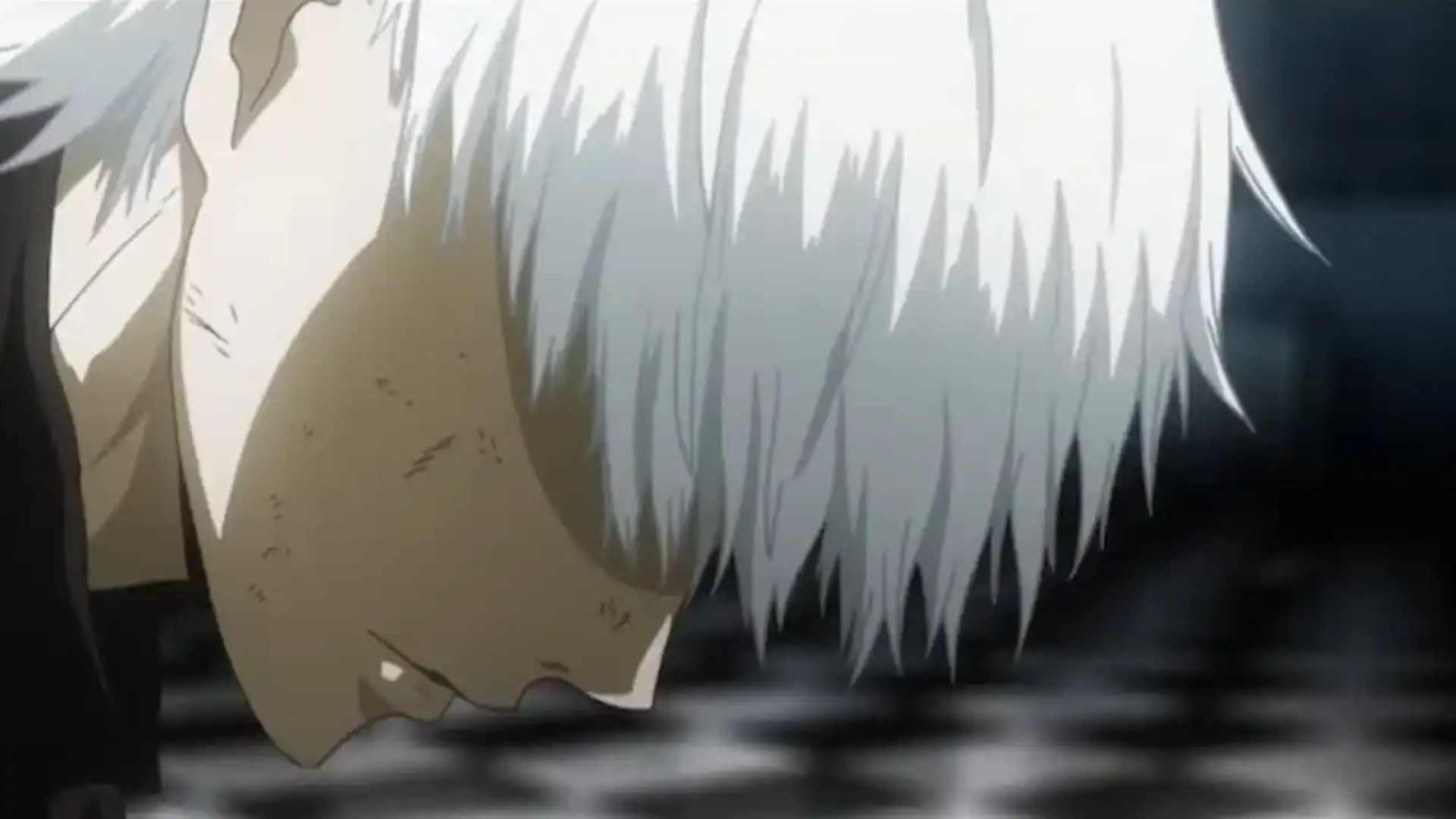
Ken Kaneki being broken in Tokyo Ghoul Image via Studio Pierrot -
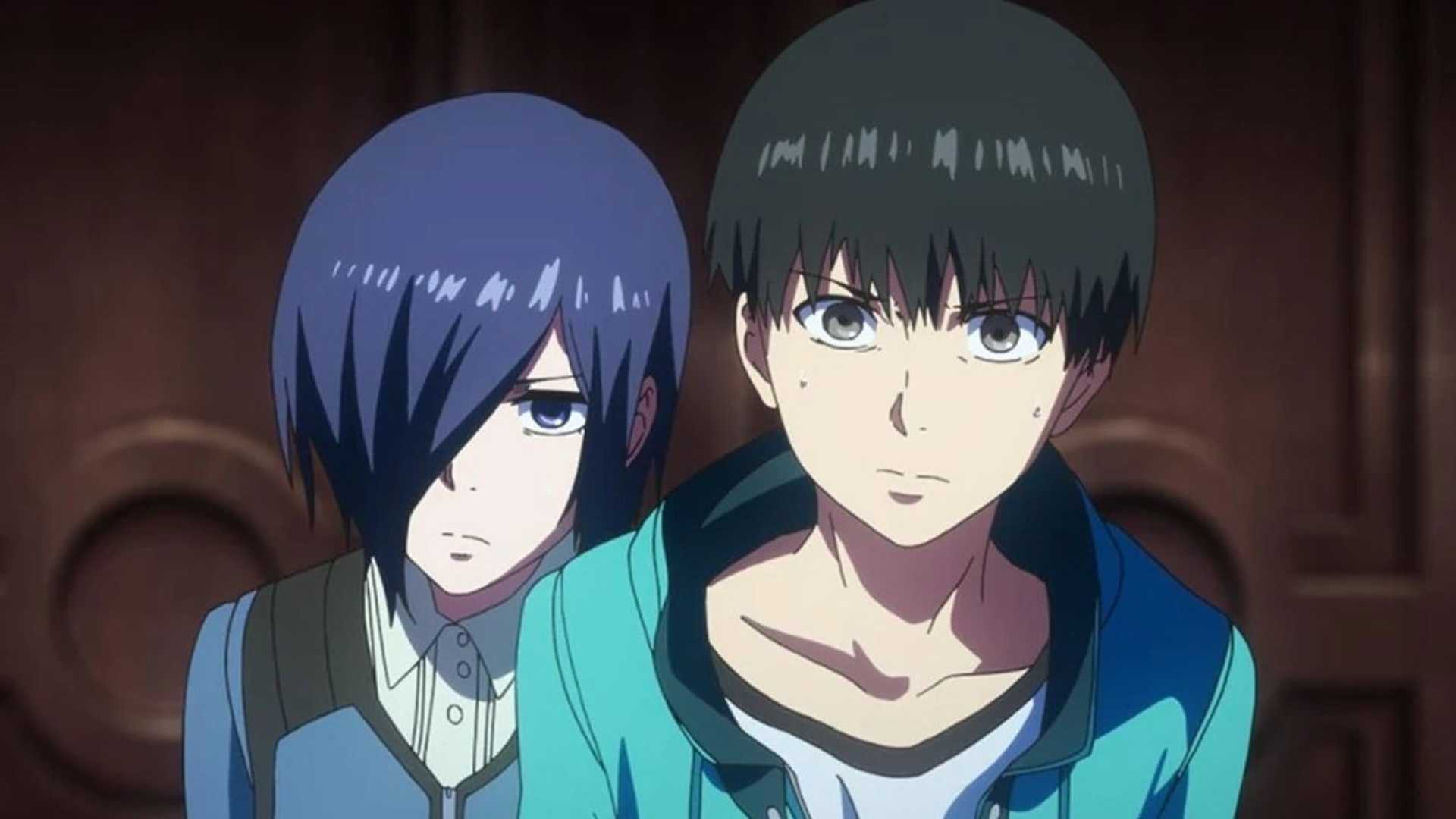
Kaneki and Touka Fighting an Enemy in Tokyo Ghoul Image via Studio Pierrot -

Tokyo Ghoul Season 1
This dark, urban fantasy system is rooted in the biology of carnivorous predators known as Ghouls. The source of their power is the Rc cell, a unique biological cell that accumulates in a specialized predatory organ called the Kakuhou. When a Ghoul rushes into combat, they release these cells to form a Kagune, a solid, hardened muscle-like weapon that sprouts from their back to act as claws, tentacles, or wings.
Equally, those who combat Ghouls possess bioweapons designed from the parts of their enemies to reach an equal playing ground. Tokyo Ghoul‘s Kagune system is divided into four distinct biological types based on the location of the Kakuhou, creating a natural rock-paper-scissors dynamic of speed, defense, and power.
Notable characters like Ken Kaneki, who wields a highly adaptive Rinkaku Kagune, and Touka Kirishima, who possesses a high-speed Ukaku Kagune, highlight the incredible visual variety of the system. By grounding supernatural combat in detailed anatomy and predatory biology, the series establishes a deeply visceral and believable world.
Tao Gives Incredible Lore to the Struggle Between Humanity and Gods in Hell’s Paradise

At the heart of the mysterious island of Kotaku lies Tao, a profound power system based on the real-world philosophical concept of yin and yang. Tao is the invisible life force that flows through all living things, and mastering it requires maintaining a perfect state of emotional and spiritual balance.
Unlike other energy-based systems, overusing Tao rapidly drains a person’s life force, while a complete lack of balance can result in the user’s body physically turning into a flower and being used as nutrition for the island’s Gods. The mechanics of Tao operate on a cycle of five elemental phases, where certain types of Tao dominate or submit to others in combat.
Survivalists like Gabimaru, who utilizes fire-imbued Tao, and Sagiri, who uses her swordplay to channel her energy, must constantly adapt their emotional states mid-battle to exploit these elemental weaknesses. By fusing martial arts, spiritual harmony, and biological consequences, Hell’s Paradise delivers incredibly tense encounters where mental fortitude is just as important as physical strength.